 |
 |
 |
 |
 |
 |
 |
 |
 |
 |
 |
 |
 |
 |
 |
 |
 |
 |
 |
 |
 |
 |

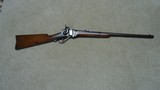
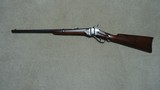
SHARPS NEW MODEL 1859 SADDLE RING CARBINE WITH POST CIVIL WAR 1867-68 ALTERATION TO .50-70
Guns International #: 101577421 Seller's Inventory #:
Category: Antique Rifles - Single Shot - Sharps Rifles - Antique
Seller's Information
When emailing or calling sellers direct, please mention that you saw their listing on GunsInternational.com

Seller: goodmanguns
Company: William T. Goodman
Member Since: 10/16/15
First Name: William
Last Name: Goodman
State: Montana
Zip: 59715
Country: United States
Phone: (406) 587-3131
Platinum Seller
Number of Active Listings: 70
Total Number of Listings: 4093
Seller: FFL Dealer
Return Policy: 3 day inspection and return policy on used guns.
Payment Types Accepted: checks, cashiers/bank check, money order
Description:
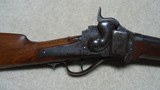
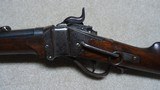
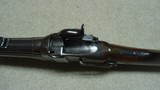
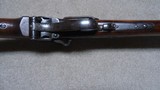
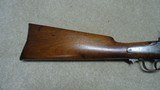
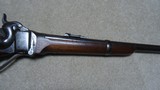
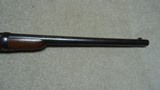
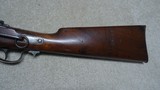
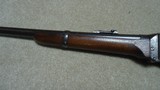
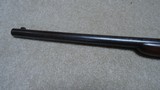
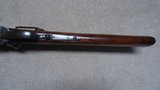
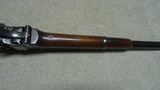
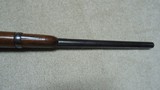
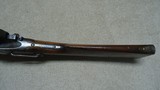
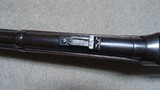
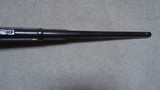
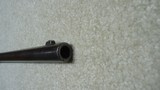
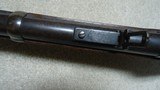
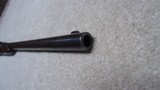
SHARPS NEW MODEL 1859 SADDLE RING CARBINE WITH POST CIVIL WAR 1867-68 ALTERATION TO .50-70 CARTRIDGE FOR INDIAN WAR USAGE, EARLY #52XXX. These are truly fascinating and historical carbines. They were first issued to the cavalry as .52 caliber percussion breech loaders for the Civil War. Early examples like this typically saw hard usage during that bloody conflict and were extremely successful as accurate, hard hitting and reliable weapons. After the war, most of the surplus carbines were returned to the Sharps Factory where they were easily converted to .50-70 center fire cartridge ignition. Those with oversize bore diameters (nearly all) had their barrels relined using three groove rifling. The metal was refinished at this time and stocks were often replaced- that's why most of these have no patchbox, but retain the butt plate with the shallow cut-out for the patchbox. Arms were then inspected and re-issued. Many went west for the Indian Wars. The Texas Rangers where known to have been issued these (fictional Texas Ranger played by Glen Campbell used one of these in the John Wayne movie "True Grit"). I believe this example was one that saw use in this manner because there is the desirable "telltale" vertical wear-line extending from the top of the stock on the left side to the bottom in the middle of the stock. This is caused by the "swivel" clasp used on leather over-the-shoulder sling straps that hooked into the "sling ring" on the left side of the stock (really not a saddle ring). This was used so that the mounted soldier could control his horse with both hands if necessary or reload while mounted without worry of dropping and losing the carbine. If dropped or released, the carbine hung securely by the shoulder strap. When so slung, the metal clasp rubbed a line in the stock. During the Indian Wars the cavalry switched to the famed .45-70 Trapdoor Springfield Carbines and the Sharps .50-70s were sold off as surplus. Many of these went west as .50-70 ammo was plentiful and powerful. These Sharps carbines so chambered were adequate to drop any game from antelope to buffalo and grizzly bears. I've seen these carbines with the "sling line" on the butt from cavalry use plus very heavy saddle wear to the forend from western civilian use. You can't find many other guns with this much history in them! This is a particularly fine example that shows use, but no abuse. The wood is basically solid and shows only normal handling with the sling-wear line mentioned above. The butt stock shows a faint cartouche under the sling ring bar and a fairly clear "DFC" cartouche in the center of the stock. The matching walnut stock is also in very fine condition. The receiver is a mottled gray-brown with clear Sharps markings and a hint of a typical hairline crack across the upper tang on each side of the upper screw where the metal is very thin on each side- seen on a good many Sharps of all models- minor. The barrel is an uncleaned aged thin blue with correct Lawrence marked ladder rear sight with the slide intact and original carbine front sight. The action is tight and the bore is excellent, sharp and mirror bright! A really fine, historical example!
SOLD
Antique: Yes
Manufacturer: SHARPS
Model: NEW MOD. 1859 CARBINE
Serial Number: 52XXX
Barrel Length: 22
Condition: FINE
Bore Condition: E