 |
 |
 |
 |
 |
 |
 |
 |
 |
 |
 |
 |
 |
 |
 |

G98/40
Guns International #: 101890590 Seller's Inventory #:
Category: Military Rifles - German - Mauser Rifles - Military
Seller's Information
When emailing or calling sellers direct, please mention that you saw their listing on GunsInternational.com

Seller: FULL CIRCLE FIREARMS
Company:
Member Since: 2/16/11
First Name: Bob
State: Washington
Country: United States
Phone: (509) 965-3540
Seller: Private Seller
Return Policy: 3 day inspection and return policy on used guns.
Payment Types Accepted: USPSMO
Description:
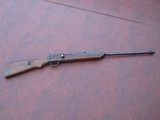
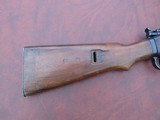
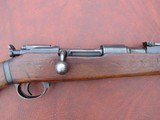
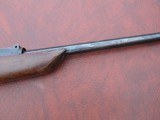
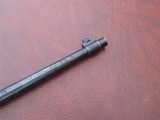
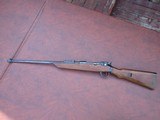
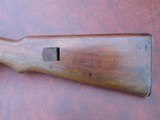
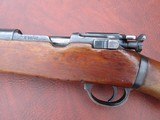
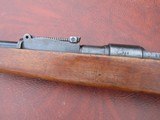
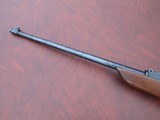
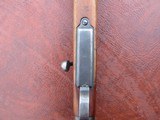
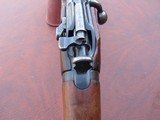
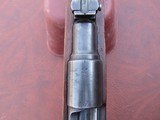
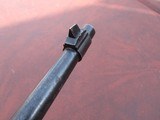
G98/40 appears to be numbers matching. 1942 manufacture date. A little info---German Mannlicher Infanterie Gewehre model 98/40 (Gew 98/40). These contract guns were made from 1941 to 1944 by Fémáru Fegyver és Gépgyár, Budapest, (German Ordnance code “jhv”). The G98/40 was contracted as a war-expedient, to exploit the existing Hungarian tooling for their 35M rifle. As the Eastern Front campaign (Operation Barbarossa) dragged on, the demand for weapons soared and German output of the standard k98 infantry rifle couldn't keep up. As Germany had occupied Hungary they retooled their weapons factories to produce a modified rifle for German use. The Hungarian-made G98/40 is not a Mauser and shares nothing significant with the G98; rather it is a Mannlicher-based receiver design patterned after the Hungarian 35M, the only firearm ever purpose-built for the 8x56R cartridge. Part of the retooling involved rebarelling and a new receiver to accept the standard German 8mm Mauser round. In 1942, 32,000 of the G98/40s were produced out of 138,400 total. G98/40 infantry rifles are among the rarest Third Reich infantry rifles a collector is likely to encounter and should be recognized and purchased at any opportunity if possible. Available numbers of examples today indicate that either very few rifles survived the war. There are not a lot of these rifles left since they saw service almost exclusively on the Eastern Front. The acceptance stamps changed in 1942. Beginning of 1942 there were two waffenamt WaA56 stamps (testing and acceptance stamps of the German Army Weapons Agency ) on the right side of the receiver (like the 1941's) and later 1942 had the single WaA173 on top (like this example). The 1942 changeover seems to have happened after lot C and at or before G.
As far as surviving examples are concerned the 1943s are most common followed by 1941, 42 and 44 in that order. However, if you treat 1942 as two variations (different acceptance) that variation becomes the hardest to find. $1000 obo SPF
SOLD
Curio/Relic: Yes