 |
 |
 |
 |
 |
 |
 |
 |
 |
 |
 |
 |
 |
 |
 |
 |
 |
 |
 |
 |

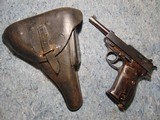
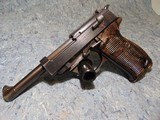
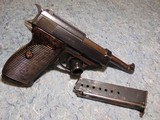
Walther P38 BYF44 9mm with Holster and One Magazine
Guns International #: 103056817 Seller's Inventory #:
Category: 9mm Pistols - Walther Pistols
Seller's Information
When emailing or calling sellers direct, please mention that you saw their listing on GunsInternational.com

Seller: Adak Armory
Member Since: 6/21/22
First Name: Elliot
Last Name: Schwarz
State: Oregon
Zip: 97415
Country: United States
Phone: (541) 848-5950
Premium Seller
Number of Active Listings: 5
Total Number of Listings: 56
Seller: FFL Dealer
Return Policy: 3 day inspection and return policy on used guns.
Buyer pays shipping and insurance on returns.
Payment Types Accepted: check, money order, ACH, Credit Card
Description:
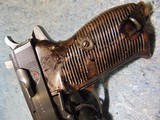
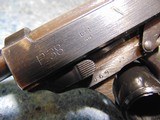
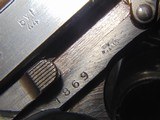
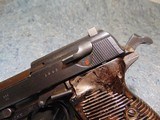
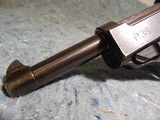
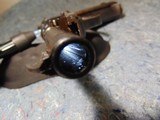
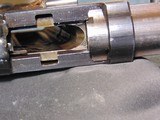
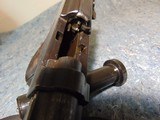
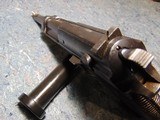
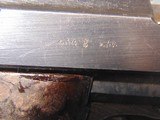
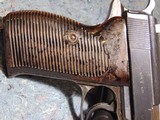
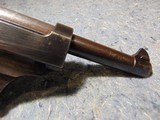
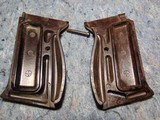
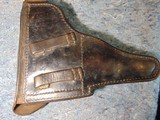
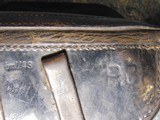
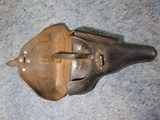
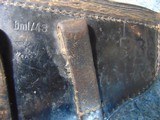
Walther P38 BYF-44 (Mauser manufacture 1944) 9mm 4-3/4" WWII Semi-Auto Pistol. Has eagle 135 markings for Waffenamt acceptance as well as Wehrmacht acceptance proof. Has serial number 1869 on both frame & slide. Comes with one WWII era magazine with P38 markings but different serial number. Original grips marked 1528 and 1529 (right/left) in circles, on the inside of the grips. Comes with correct P38 holster dated 1943 in very good condition.
Here's the ChatGPT explanation for the two different proof marks, Waffenamt and Wehrmacht:
The Waffenamt and Wehrmacht inspection marks served distinct purposes and were applied under different standards during World War II. Here's a comparison of their roles, markings, and significance:
Waffenamt Standards
-
- The Waffenamt (Army Weapons Office) oversaw the development, testing, and acceptance of weapons, ammunition, and equipment for the German military. It ensured quality control during manufacturing and compliance with technical standards before delivery to the Wehrmacht.
-
- Waffenamt inspection stamps (WaA) featured an eagle symbol above a number that identified the specific inspector or inspection team. These marks were applied to individual components of firearms, equipment, and other items during production.
- Complex items like pistols often had multiple Waffenamt stamps on different parts to certify that each component passed inspection.
-
- Inspections were carried out by the Heeresabnahmestelle (Army Acceptance Organization), a subsidiary of the
- Waffenamt. Inspectors followed detailed guidelines called Technische Lieferbedingungen (Technical Delivery Conditions).
-
- Waffenamt standards applied to all items destined for military use, including firearms, gas masks, jerry cans, and even utensils. The focus was on ensuring functionality and safety rather than aesthetic quality.
Wehrmacht Inspection Standards
-
- The Wehrmacht inspection marks indicated that an item had been officially accepted into service by the German armed forces after passing final testing and approval.
- These marks were broader in scope than Waffenamt stamps, as they signified readiness for operational use rather than just manufacturing compliance.
-
- Wehrmacht acceptance proofs typically included an eagle-and-swastika symbol to denote military acceptance.
- These marks were placed on completed items rather than individual components.
-
- Final inspections were conducted after items passed through the Waffenamt process. This ensured that the finished product met operational requirements for deployment in the field.
-
- Wehrmacht standards focused on ensuring that weapons and equipment were ready for combat use. They represented the final stage of acceptance before distribution to military units.
SOLD
Curio/Relic: Yes
Handgun Caliber: 9x19mm Parabellum (9mm Luger, 9x19mm NATO)
Manufacturer: Mauser
Model: P38
Serial Number: 1869
Barrel Length: 4 3/4
Condition: Good
Metal Condition: Good
Bore Condition: good