 |
 |
 |
 |
 |
 |
 |
 |
 |
 |
 |

"Japanese Koto Period Wakizashi – Muromachi Era Blade in Fine Edo Koshirae (SW2004)
Guns International #: 103480483 Seller's Inventory #: SW2004
Category: Edged Weapons Pre 1900 - Collectibles - Asian
Seller's Information
When emailing or calling sellers direct, please mention that you saw their listing on GunsInternational.com

Seller: Collectors Firearms
Company: CollectorsFirearms, Inc
Member Since: 3/6/07
First Name: E-commerce
Last Name: Department
State: Texas
Zip: 77063
Country: United States
Phone: (713) 575-5814
Fax: (713) 781-6407
Platinum Seller
Number of Active Listings: 6867
Seller: FFL Dealer
Return Policy: 3 day inspection and return policy on used guns.
Payment Types Accepted: M/C, VISA, American Express and Discover
Description:
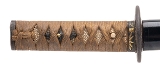
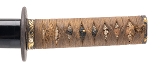
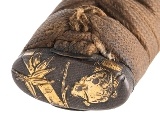
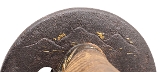
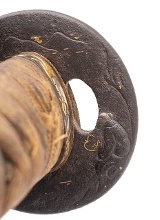
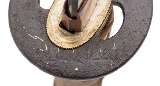
"Nagasa: 18.625 inches (47.3 cm) Japan, circa 1450–1550 (blade) / circa 1800–1850 (mountings) A fine and authentic Japanese wakizashi featuring a traditionally forged Koto-period blade dating to the Muromachi era, mounted in high-quality late Edo period civilian koshirae. The blade is of elegant, slender shinogi-zukuri form with shallow natural sori and a well-proportioned chu-kissaki. It exhibits a classic tight suguha hamon, calm and refined, characteristic of early Japanese sword traditions such as Yamashiro or early Mino workmanship. The jihada appears fine and well forged, and the blade is notably light and lively in hand, displaying the graceful balance typical of quality Koto swords. The nakago is unsigned (mumei) and shows deep natural patination with three mekugi-ana, indicating repeated remounting over centuries of service—an attribute commonly encountered on genuine Koto blades that remained in use through multiple periods. The sword is mounted in attractive and matching late Edo period civilian koshirae. The fuchi and kashira are shakudo with fine nanako ground and high-relief gold takazogan depicting auspicious motifs including bamboo, birds, and a tortoise (symbols of resilience, harmony, and longevity). Matching shakudo menuki with gold highlights are mounted beneath the original brown silk tsuka-ito over full samegawa panels. The iron tsuba is of classic round form, decorated with subtle gold inlay landscape and figure motifs, and the saya is finished in black lacquer with elegant gilt floral decoration. This is an excellent example of an early Japanese blade preserved and appreciated through later generations, combining the historical significance of the Koto period with the refined aesthetics of Edo-era mountings. A highly collectible sword suitable for the advanced nihonto collector or as a centerpiece example of early Japanese craftsmanship.
SOLD