 |
 |
 |
 |
 |
 |
 |
 |
 |
 |
 |
 |
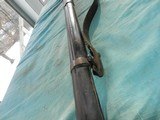 |
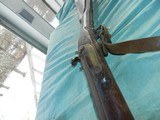 |
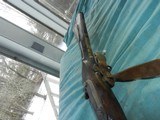 |

Russian Tula 1832 converted Musket
Guns International #: 103407559 Seller's Inventory #: Russian Tula 1832 converted Musket
Category: Antique Rifles - Percussion - Civil War Rifles
Seller's Information
When emailing or calling sellers direct, please mention that you saw their listing on GunsInternational.com

Seller: HOME TOWN GUNS
Company: HOME TOWN GUNS
Member Since: 3/28/07
State: Connecticut
Country: United States
Phone: (860) 658-2843
Platinum Seller
Number of Active Listings: 294
Seller: Private Seller
Return Policy: 3 day inspection and return policy on used guns.
3 days
Payment Types Accepted: MONEY ORDERS
Description:
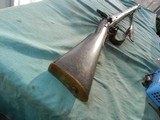
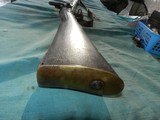
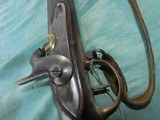
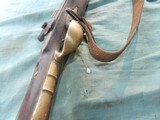
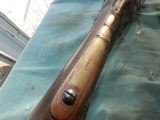
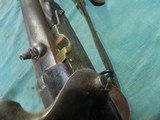
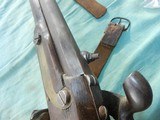
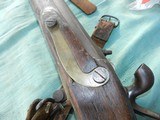
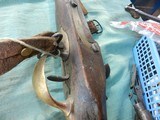
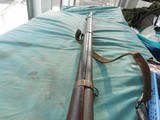
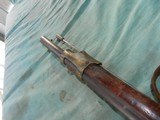
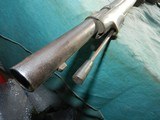
A very scarce gun dated 1832 and the brass side plate dated1838 for upgrades. Still has side flintlock touch hole open. Barrel is 40+" long and the ;pcl wworks very well, remaims of leather sling toothe smooth bore is fouled .69 cal.and conveersion were most likely done by the French
this is what I found on the internet about this rare rifle used in the Crimean War:
. Of all European military long arms from the mid 19th Century, those from Russia are about the least often encountered for sale in the United States. One reason that they are rarely seen on these shores is that they were probably not imported for Amercan Civil War use, although at least one Congressional Document concerning the importation and purchase of weapons by the American Government during the Civil War does refer to a purchase of 2,000 Russian Muskets. This reference, however, has never been substantiated and is generally assumed to be an error, with the guns really being Prussian muskets. Even if this small number of muskets were imported, they are still extremely scarce on the American collectors market today. They are equally scarce in Russia as well, since out of date muskets were perfect fodder for World War era scrap drives that turned any non-useful article into a useful weapon of war. In my many years of collecting and dealing in Continental arms from the mid-19th Century, I have only ever owned two Russian military weapons, one was a Li’ge manufactured Russian L’ttich Carbine (a copy of the British “Brunswick” rifle), and the other is the Russian Model 1828/44 Musket offered here. The M-1828 musket was based substantially upon the French Pattern 1822 musket, as well as the earlier Russian M-1808 musket. It was a flintlock, smoothbore musket of .69 caliber with a 41 ““ long barrel and an overall length of 57”. In 1841, with the adoption of the percussion cap for ignition, the Russians began the process of converting their flintlock muskets to the percussion system, thus the designation of Model 1828/44, a percussion conversion of the Model 1828 musket, based upon 1844 specifications. The actual conversion to percussion has features that are both familiar and somewhat odd. The gun bears the classic, heavy “bent” hammer common on “Belgian” or “cone-in-barrel” conversion muskets, and has had a bolster “lump” brazed onto the breech where the cone (nipple) is installed. This type of lump is encountered on French, Belgian and Austrian conversion muskets of the same period. The less common feature is that an iron plug with a round head has been installed in the old flintlock vent hole, with the head of the plug being supported by the recess of the brass pan. Most other conversion of the era brazed or welded up the touchhole and then filled the brass pan recess. The musket in Russian service during the early and mid 19th Century was really nothing more than a glorified pike, with the basic Russian infantry tactic being an overwhelming bayonet charge that would force the enemy from the field. In fact the credo known as Suvorov’s Apophthegm was “The bullet is a fool “ The bayonet is a hero!”. As author Robert Thomas notes in The Russian Army in the Crimean War, 1854-1856 that it was not uncommon for Russian soldiers who had spent 25 years in the army to have never fired their weapons! Rarely was powder or lead available for target practice or training, and Thomas notes that when the soldiers did train to fire their weapons it was often simply to get them to fire in unison (to provide an impressive volley), and more often than not clay balls were used instead of lead ones for the projectiles. Thomas additionally notes on page 17 that “Too often Russian muskets were poorly made and maintained....Out of 1,318 Moscow Regiment muskets inspected 534 were unserviceable. Appearance was everything: musket barrels were polished until dangerously thin, while left rusty on the inside. Clay practice bullets further damaged the barrels” Thomas further noted that the Russians tried to improve the accuracy of their muskets by making copies of captured Allied bullets, which for the most part would have been hollow based, elongated balls for use with English rifled arms like the Pattern 1851 Mini” Rifle and Pattern 1853 Enfield. This did not work out well for the Russians and Thomas points out that "Accuracy and range were improved by the use of bullets made from models of captured Allied bullets, but in time the barrel clogged and burst.". It is quite interesting that the author brings this specific issue up, as the Russian M-1828/44 musket offered here has had a catastrophic barrel failure, with the barrel busting with a wicked tear about 5 ““ long, roughly 5 ““ from the breech!
Price: $1,695.00