

 to Favorites

Guns International #: 103738227 | Seller's Inventory #: 259360
1 of 25
145th PA INFANTRY COLONEL’S U.S. COLT M1860 Army Revolver Antique CIVIL WAR
Description:
145th PA INFANTRY COLONEL’S U.S. COLT M1860 Army Revolver Antique CIVIL WAR
Capt. C.M. Lynch who Raised McLane’s Avengers!
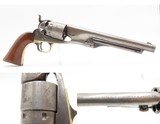
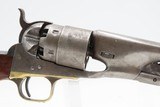
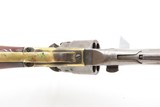
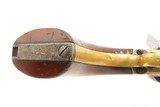
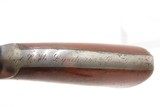
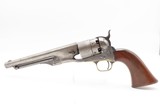
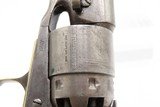
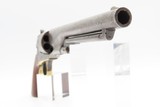
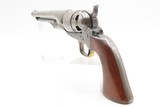
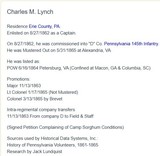
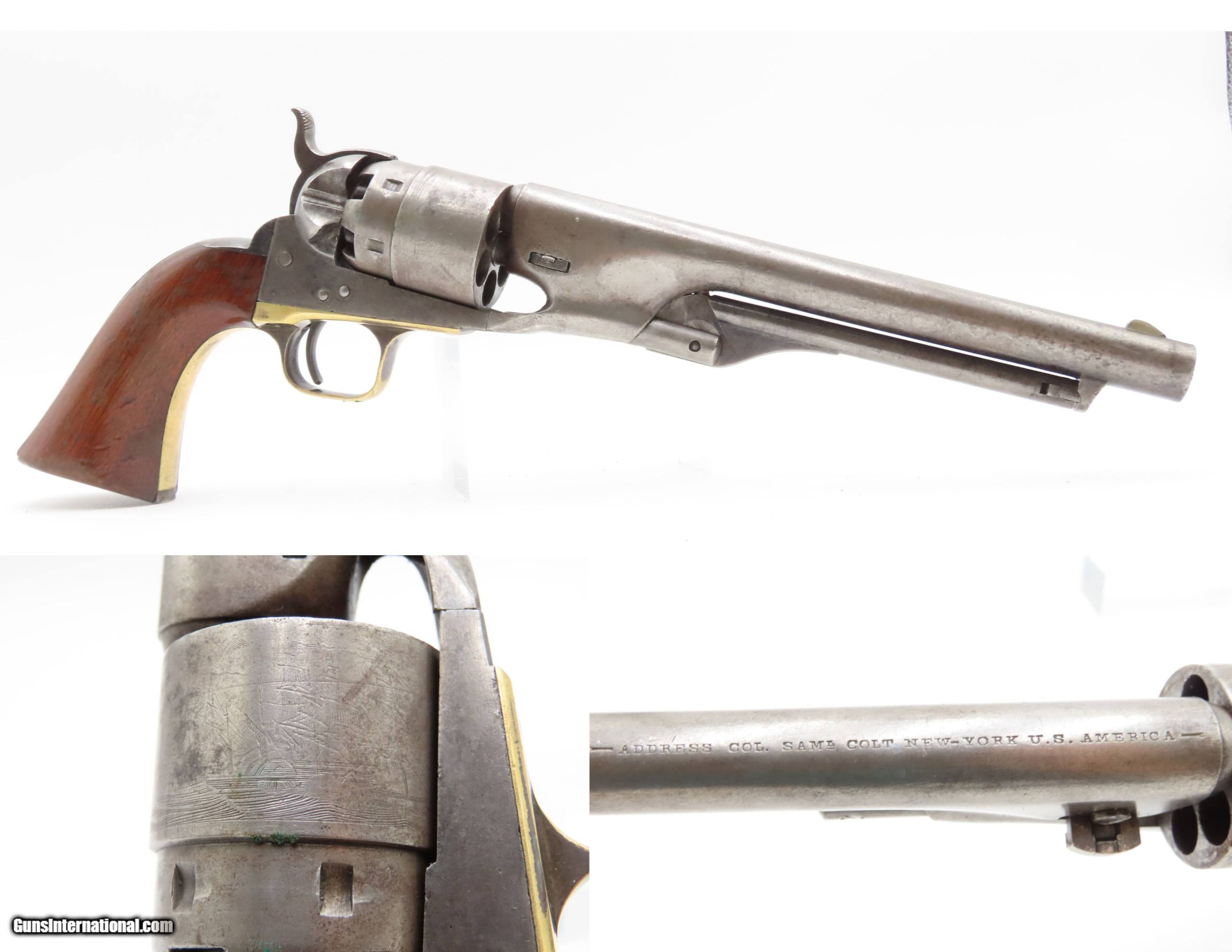
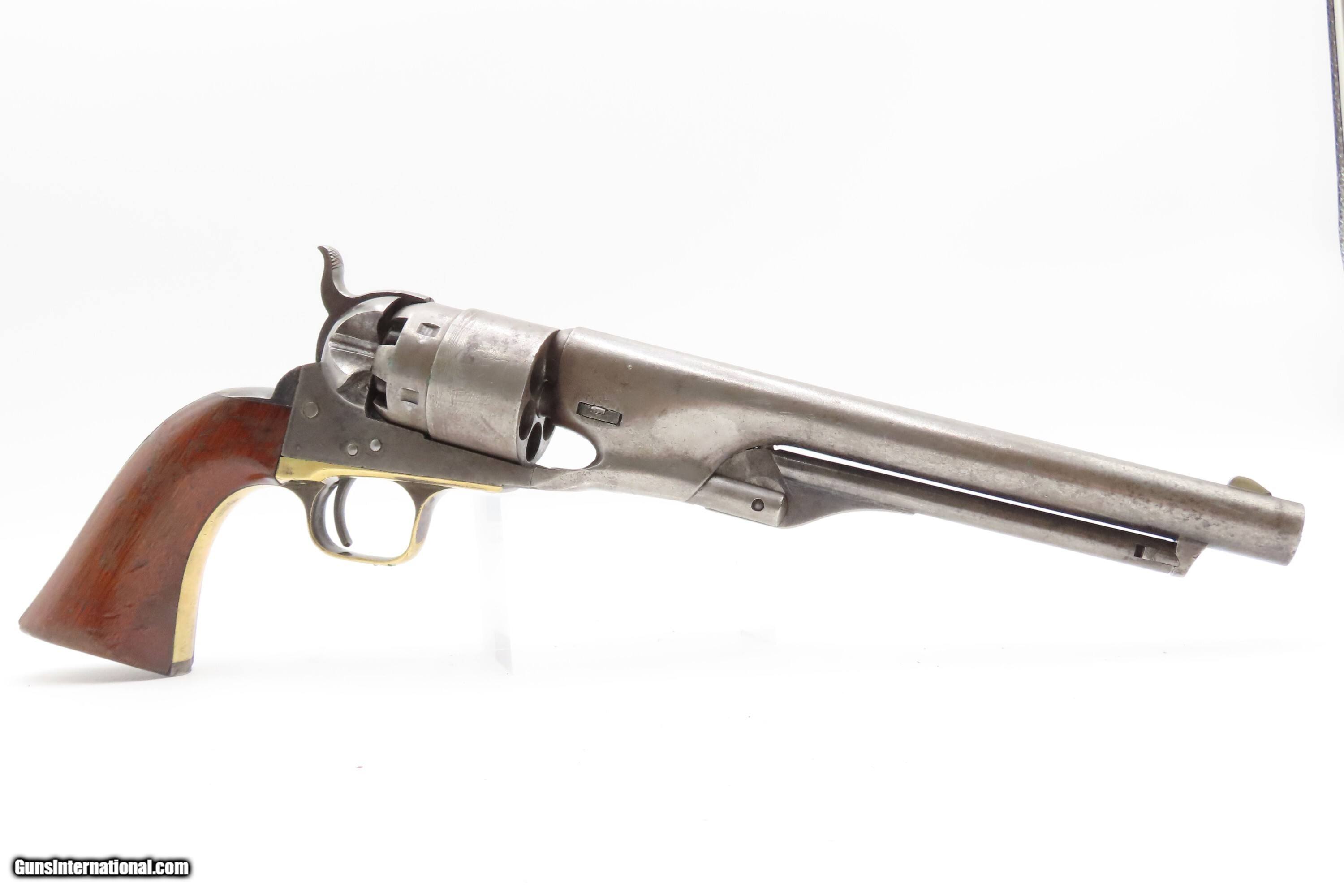
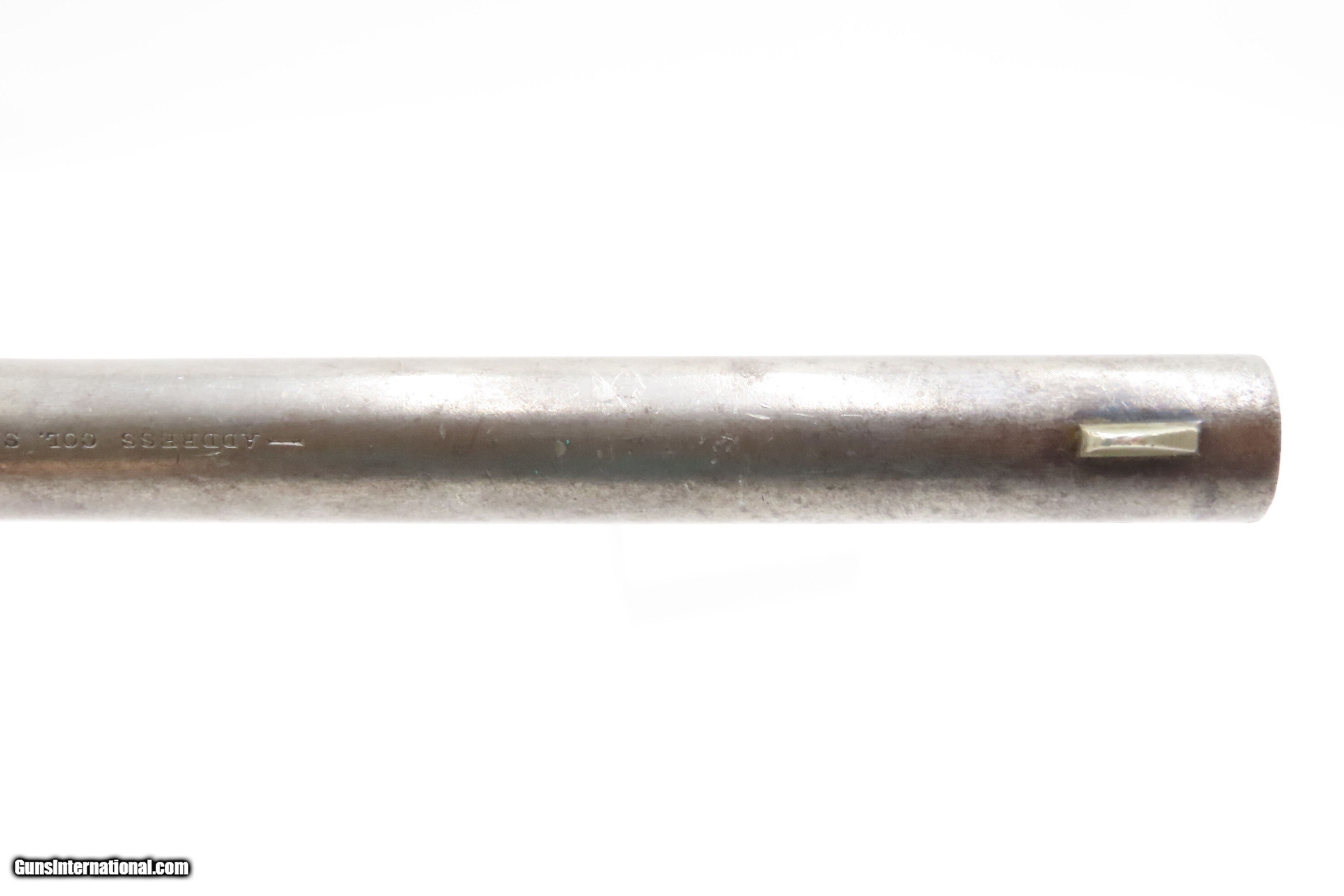
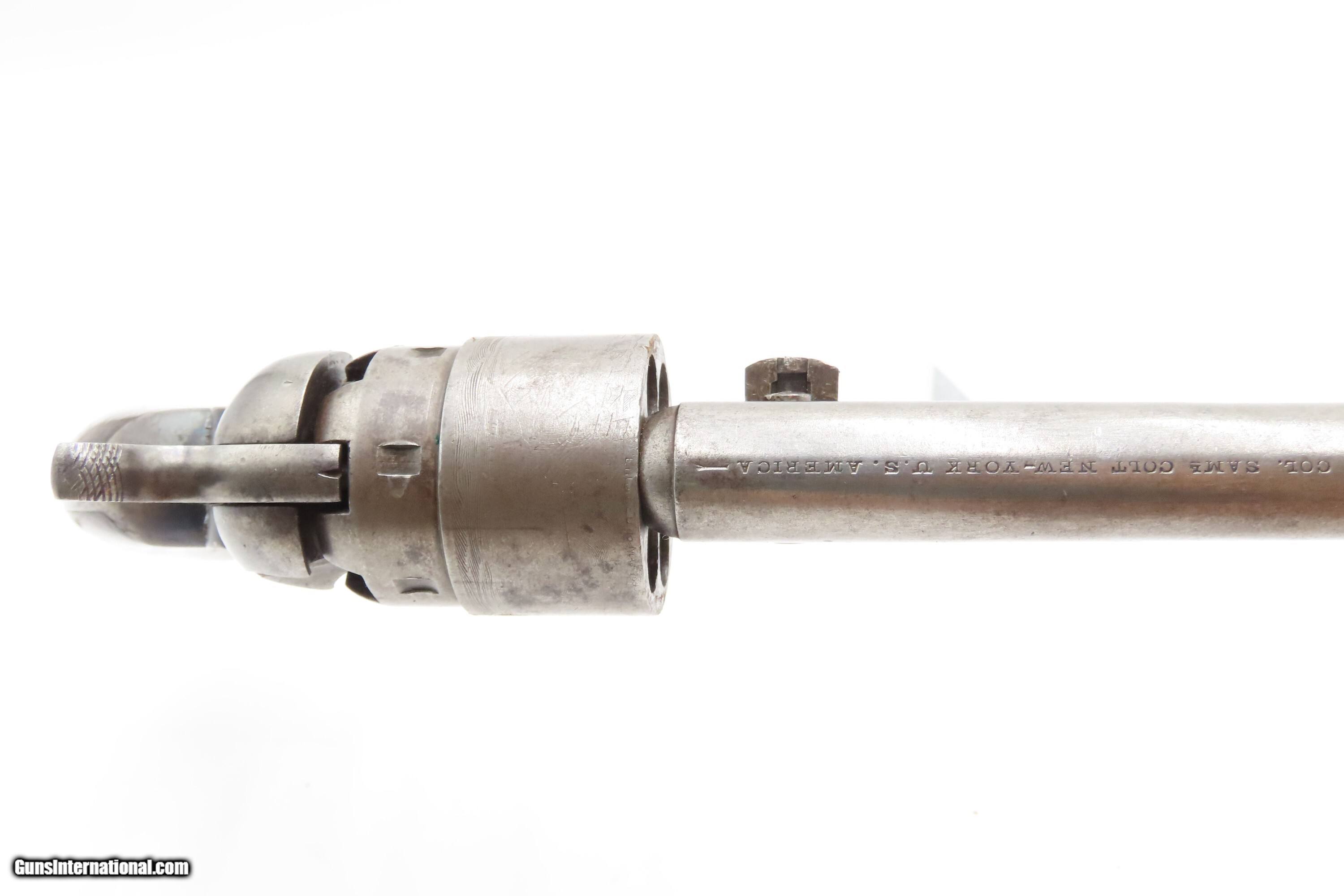
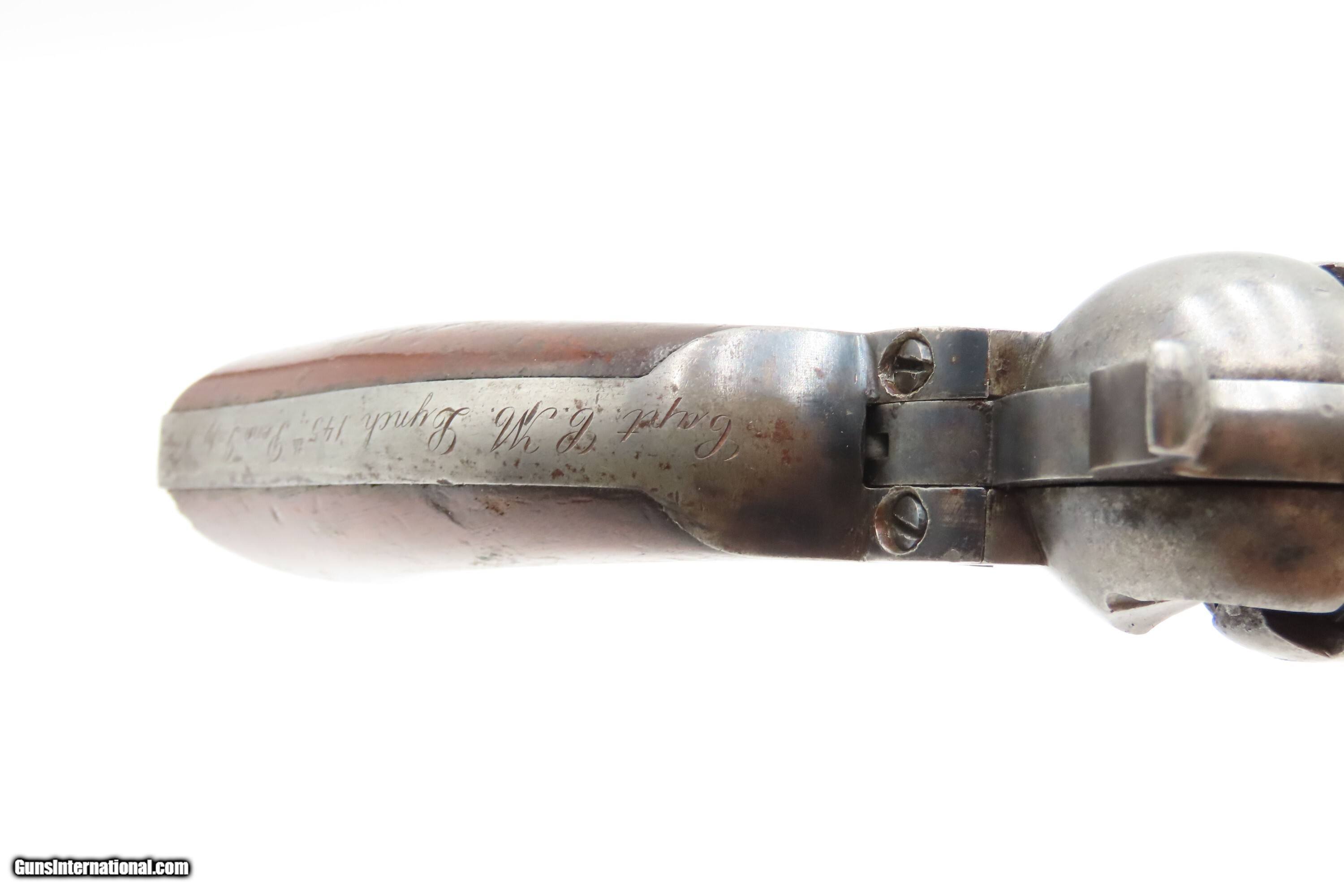
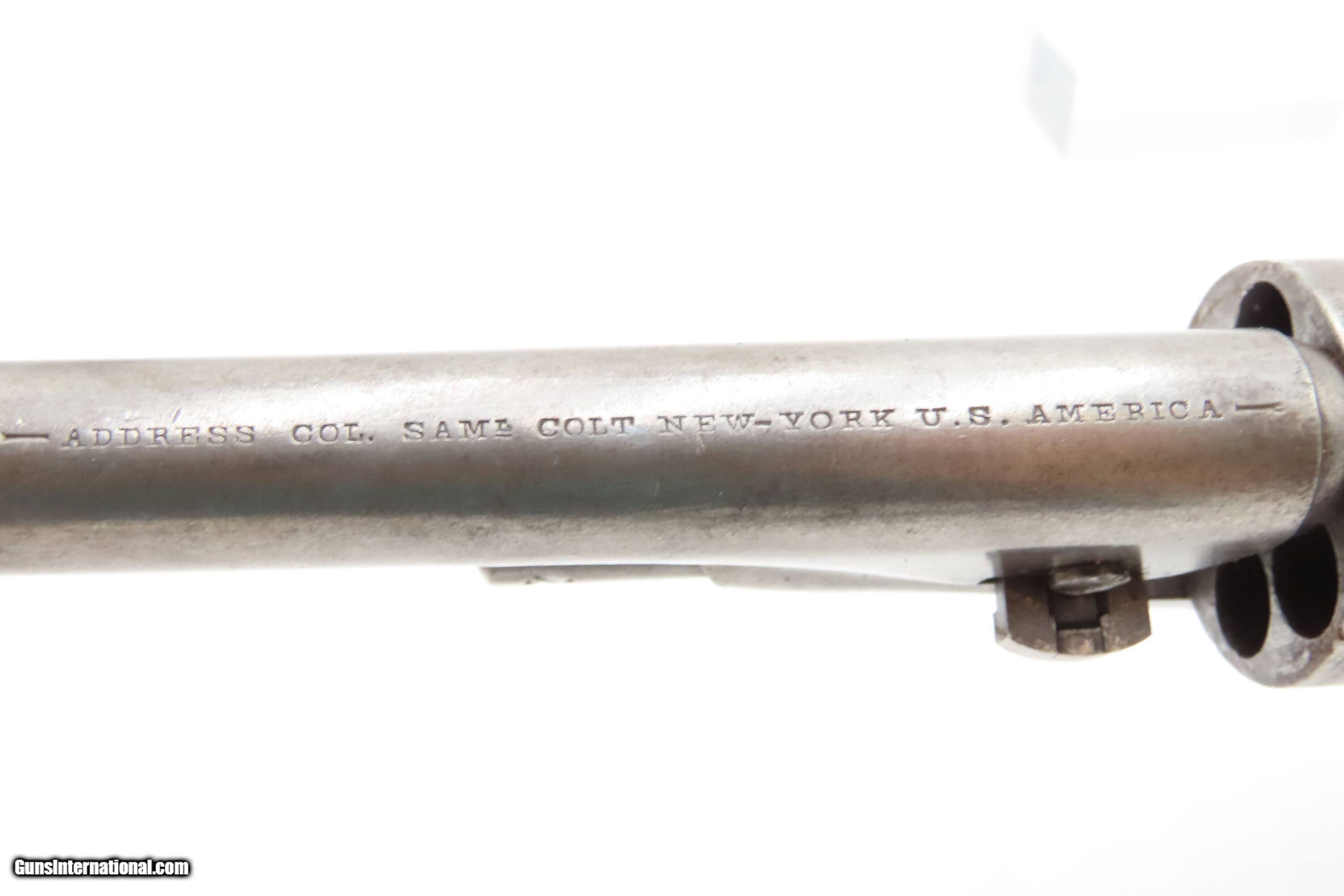
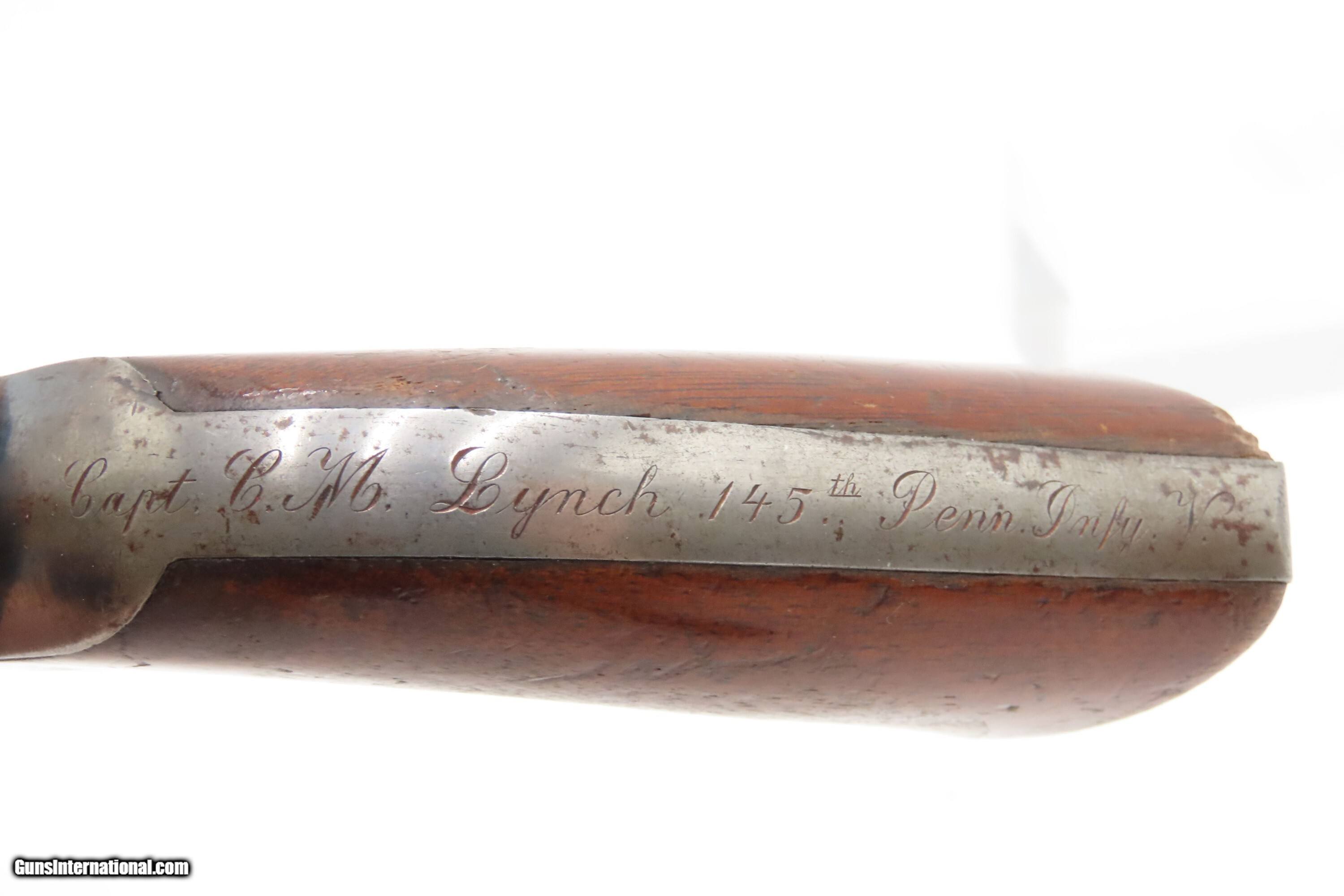
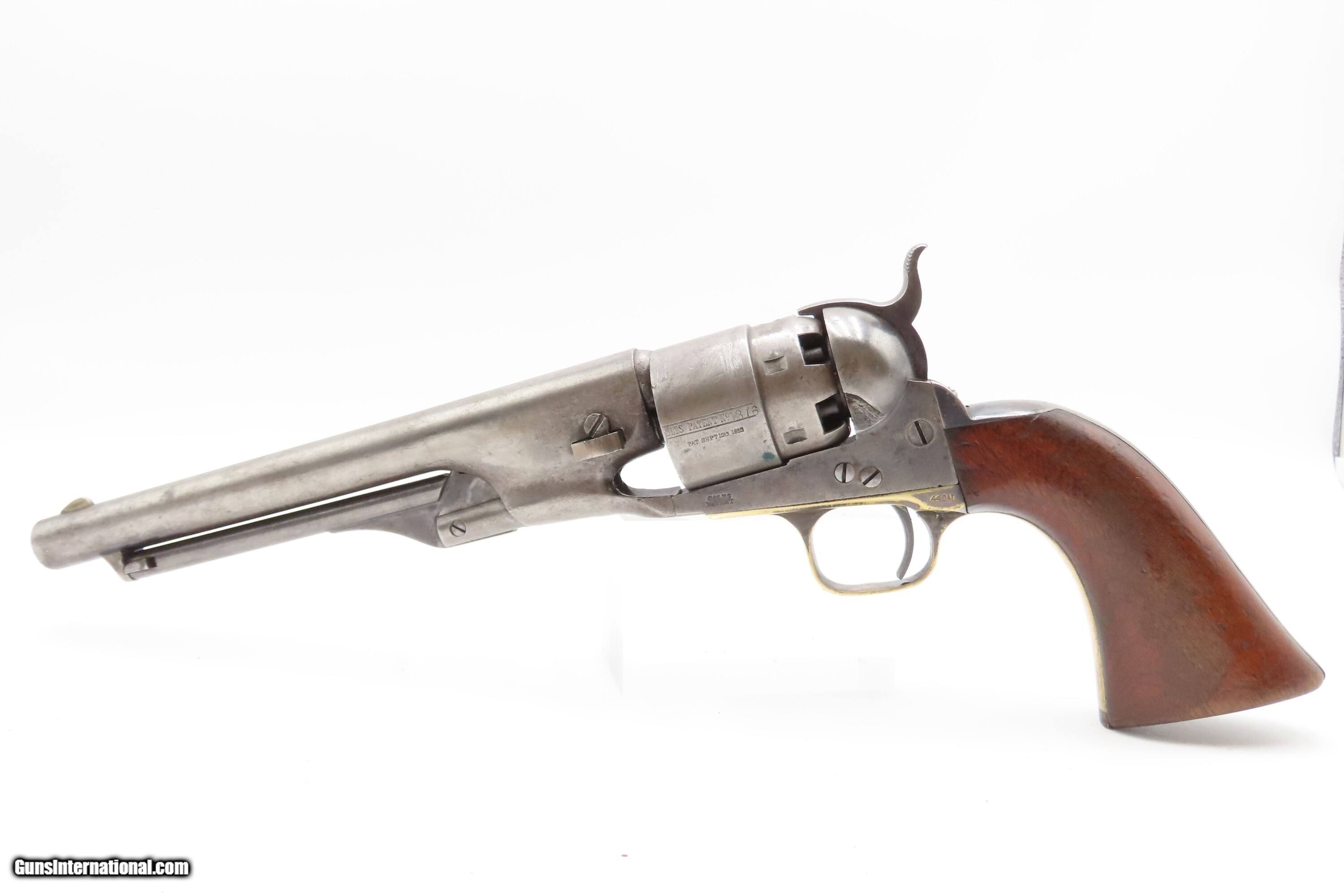
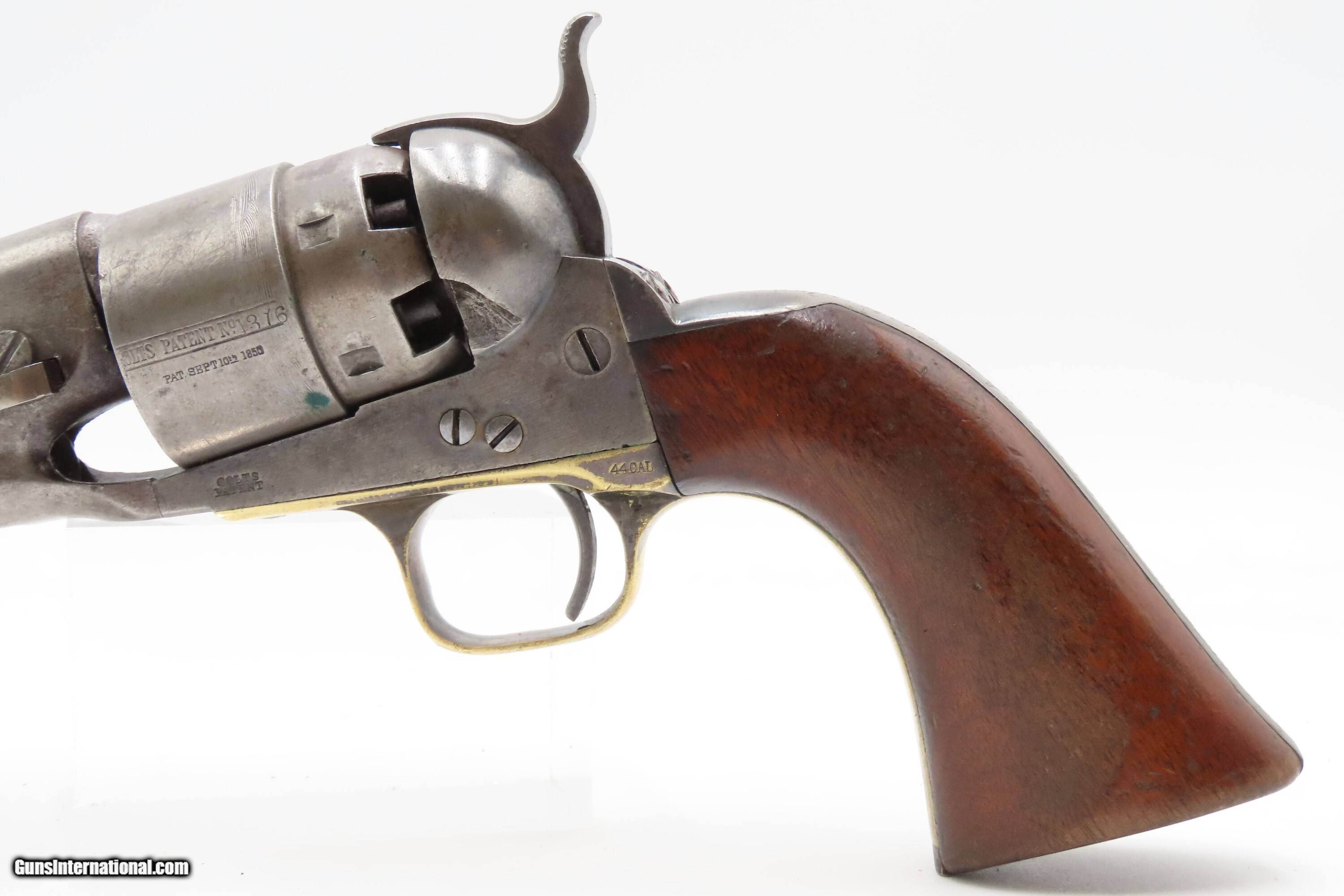
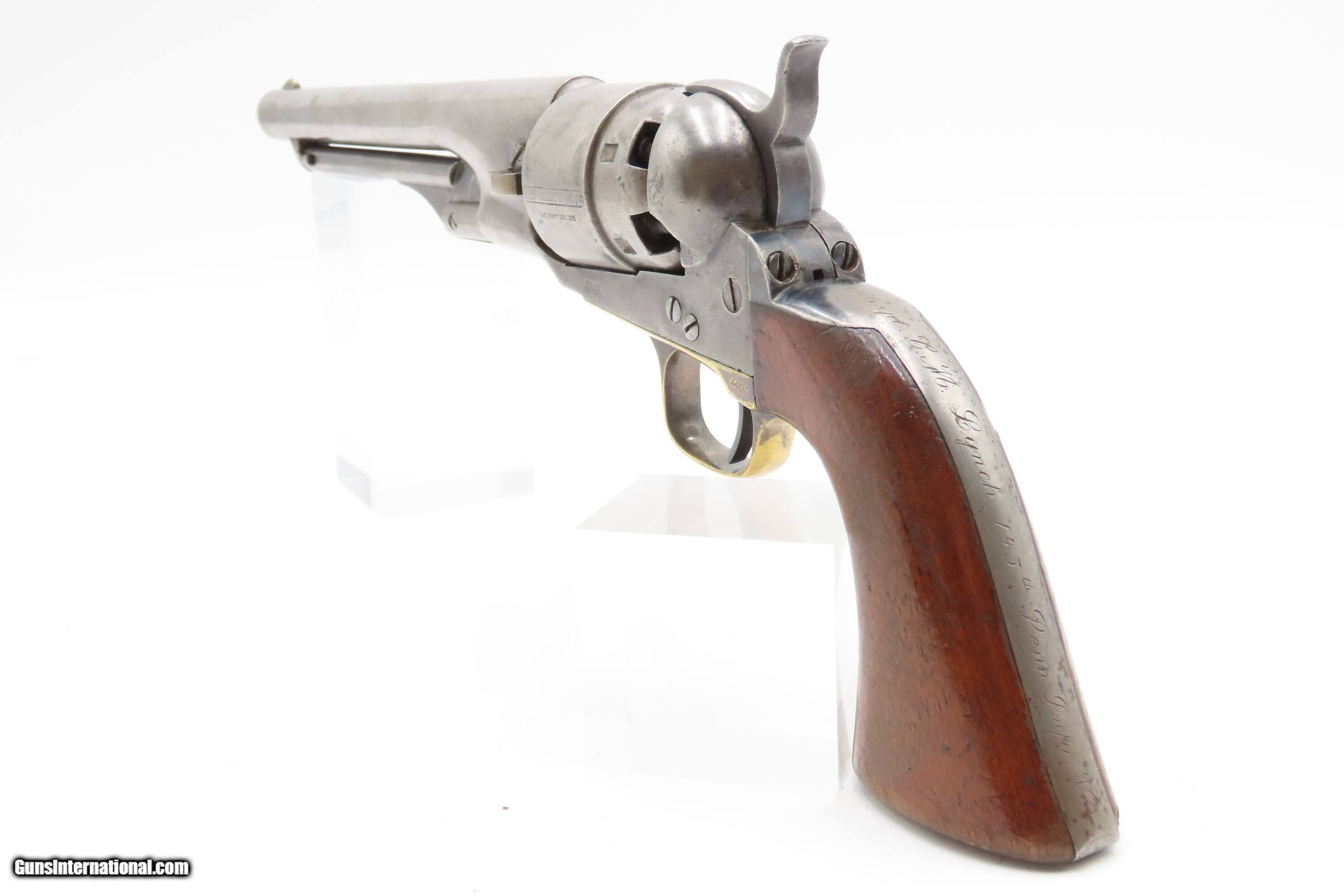
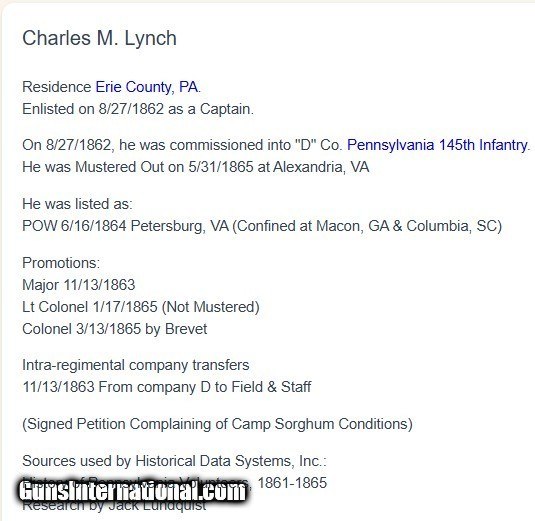
Here Ancestry Guns presents an antique U.S. Colt Model 1860 Army Revolver, made in 1862 in Hartford, Connecticut. This gun is inscribed to then-Captain C.M. Lynch of the 145th Pennsylvania Infantry Volunteers, who would be promoted throughout the war to conclude his military career as a breveted Colonel. He had a storied service record during the American Civil War. As a law student at age 19, he was inspired to raise a company of infantry from his hometown in honor of the fallen Colonel John W. McLane, also of Erie, and commander of the 83rd Pennsylvania Infantry, who was slain at Gaines’ Mill. Company D of the 145th would become “McLane’s Avengers”, and they would bear the colors of the regiment all the way to war’s end. Lynch mustered in to the 145th Pennsylvania Volunteer Infantry on August 27, 1862, with the rank of Captain.
Below is a timeline of notable events in Lynch’s service from muster in to muster out:
December 13, 1862: Lynch led “McLane’s Avengers” (Co. D) during the assault on Marye’s Heights at the battle of Fredericksburg, during which they suffered immense losses to both enlisted men and officers.
May 1-4, 1863: Lynch commanded Co. D at the Battle of Chancellorsville, again suffering many casualties in a brutal battle.
July 2-3: Lynch led Co. D into the Wheatfield during the Battle of Gettysburg, the site of some of the most chaotic, brutal, and bloody fighting of the war.
November 13, 1863: Lynch was promoted to Major due to the officer corps being hollowed out by casualties.
June 16, 1864: Lynch participated in the initial assaults of the Siege of Petersburg and barely evaded capture at Battery 14. In the process, he was hit in the chest by a spent musket ball—which still had the energy to severely bruise him—but remained in the field in order to assume command of the badly damaged 145th.
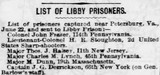
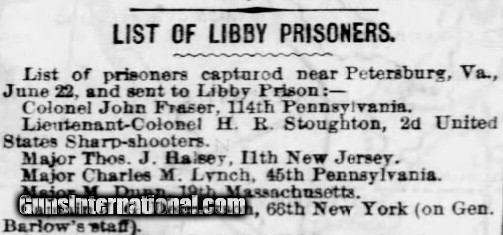
June 22, 1864: Lynch was captured during the Battle of Jerusalem Plank Road as he fought sword in hand. He was spared death only by the personal interference of Confederate General Ambrose R. Wright. Instead, he became a prisoner of war held in Libby, Prison in Richmond, Virginia, then Macon, Georgia, and then Charleston, South Carolina. While there he was under bombardment from his own Union forces as they laid siege. He was also afflicted by a case of yellow fever, and attended to by Dr. George Rogers Clark Todd, brother-in-law to President Abraham Lincoln (no friend of the President’s), who was a surgeon in the Confederate Army (apparently roundly disliked). He managed the hospital in Charleston, SC at this time and cared for prisoners of war.
March 1865: Lynch escaped with Lieutenant John P. Sheahan (of Maine) and survived the weekslong journey through enemy lines in Confederate uniforms to reach the Union Army in Kinston, North Carolina. From there he reported to Secretary of War Stanton to give him much valuable intelligence.
Lynch was breveted a Colonel and mustered out May 21, 1865. Frankly, there are almost too many events of note during the war to reiterate here (including his role in the capture of the Stonewall Brigade), but we have provided much of the documentation. He was a member of his local Grand Army of the Republic post and made a career of being a public servant, including district attorney and internal revenue collector. He had a family with four children. The Waynesboro Record of September 6, 1888, featured an interesting article that highlights the generosity of Colonel Lynch: A wealthy businessman named Conrad Shenfield became an alcoholic and lost everything before taking a pledge of temperance. Wanting to move West and begin again, even though later in life, he could not raise any funds to do such, except for Colonel Lynch, who gave him $200. In one of those too-good-to-be-true tales, the reformed businessman went West and succeeded in making another fortune in real estate with the railroads, setting up Kingman, Arizona as a town and providing water infrastructure to Albuquerque, New Mexico, and leaving the majority of his fortune to Lynch upon his death!
When Colonel Lynch passed he was buried in the Erie Cemetery, where Colonel McLane was also interred.
See the Richmond Examiner, June 25, 1864; Biography of Charles M. Lynch, published in Nelson’s biographical dictionary and historical reference book of Erie County, Pennsylvania, 1896, by Benjamin Whitman
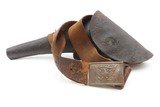
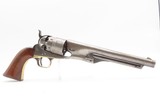
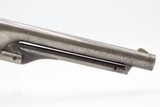
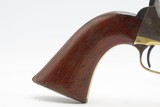
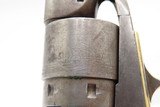
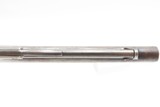
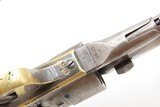
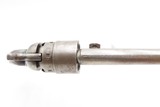
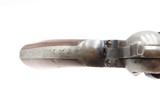
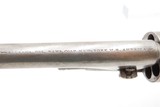
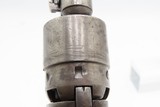
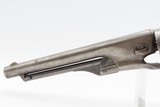
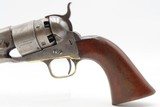
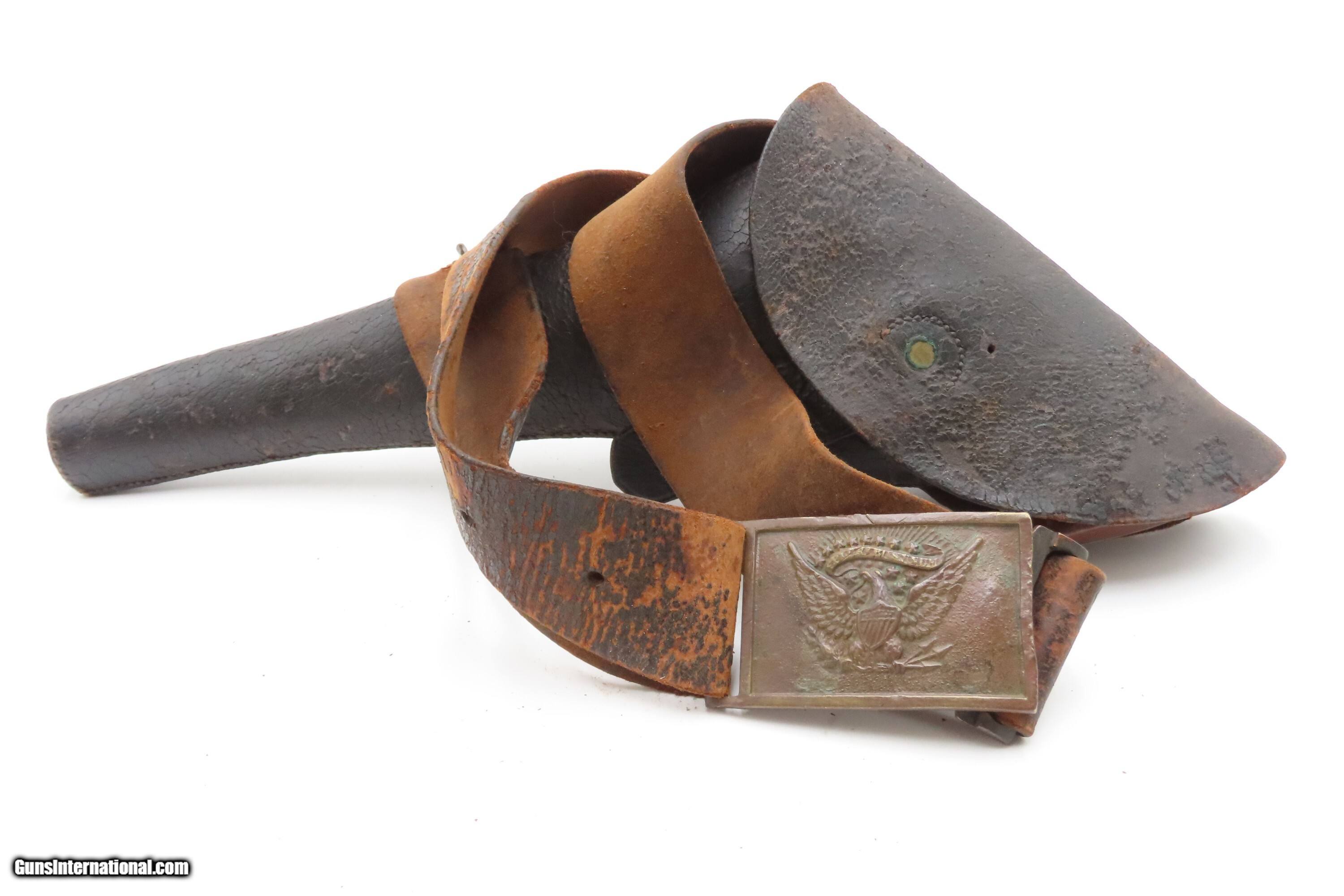
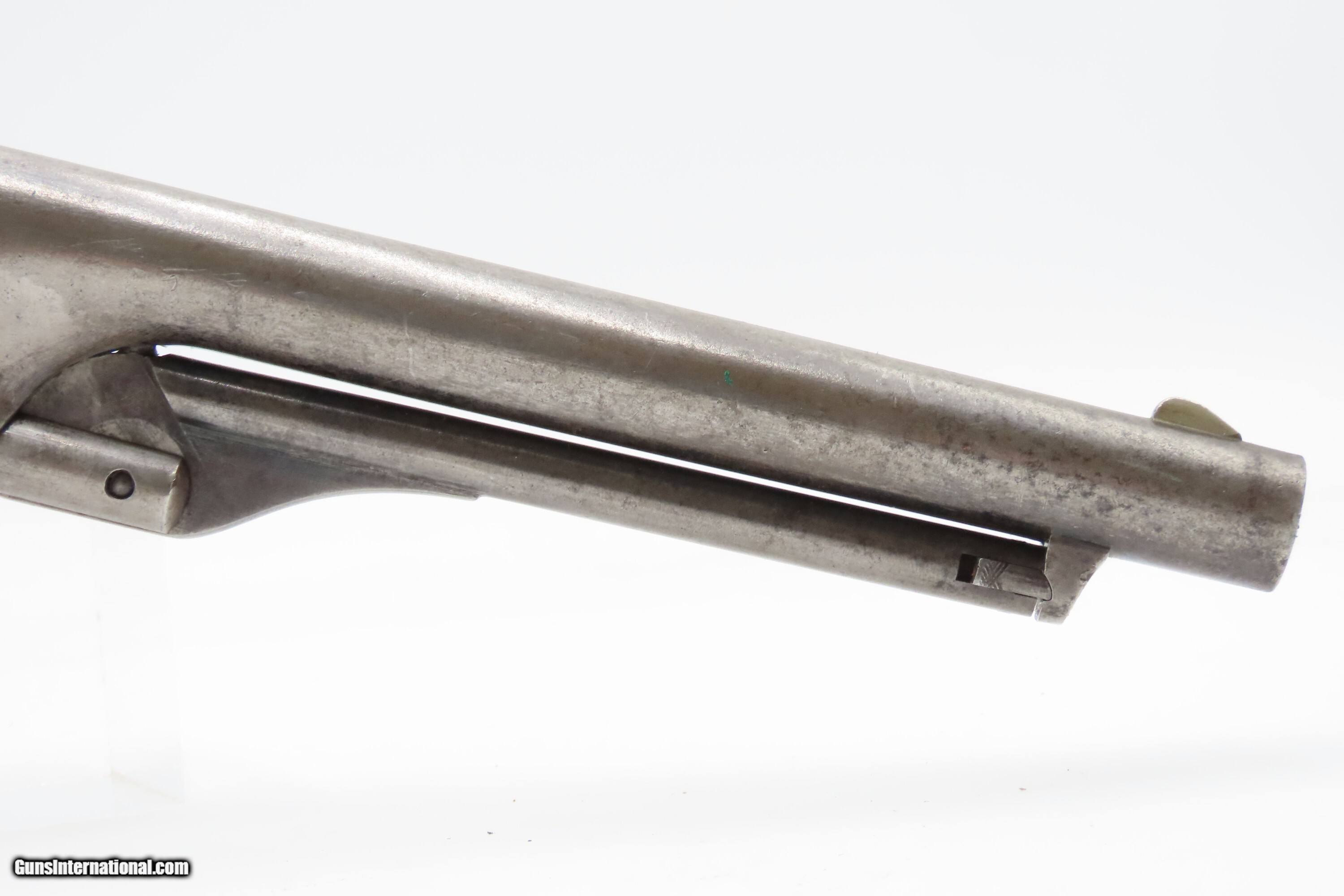
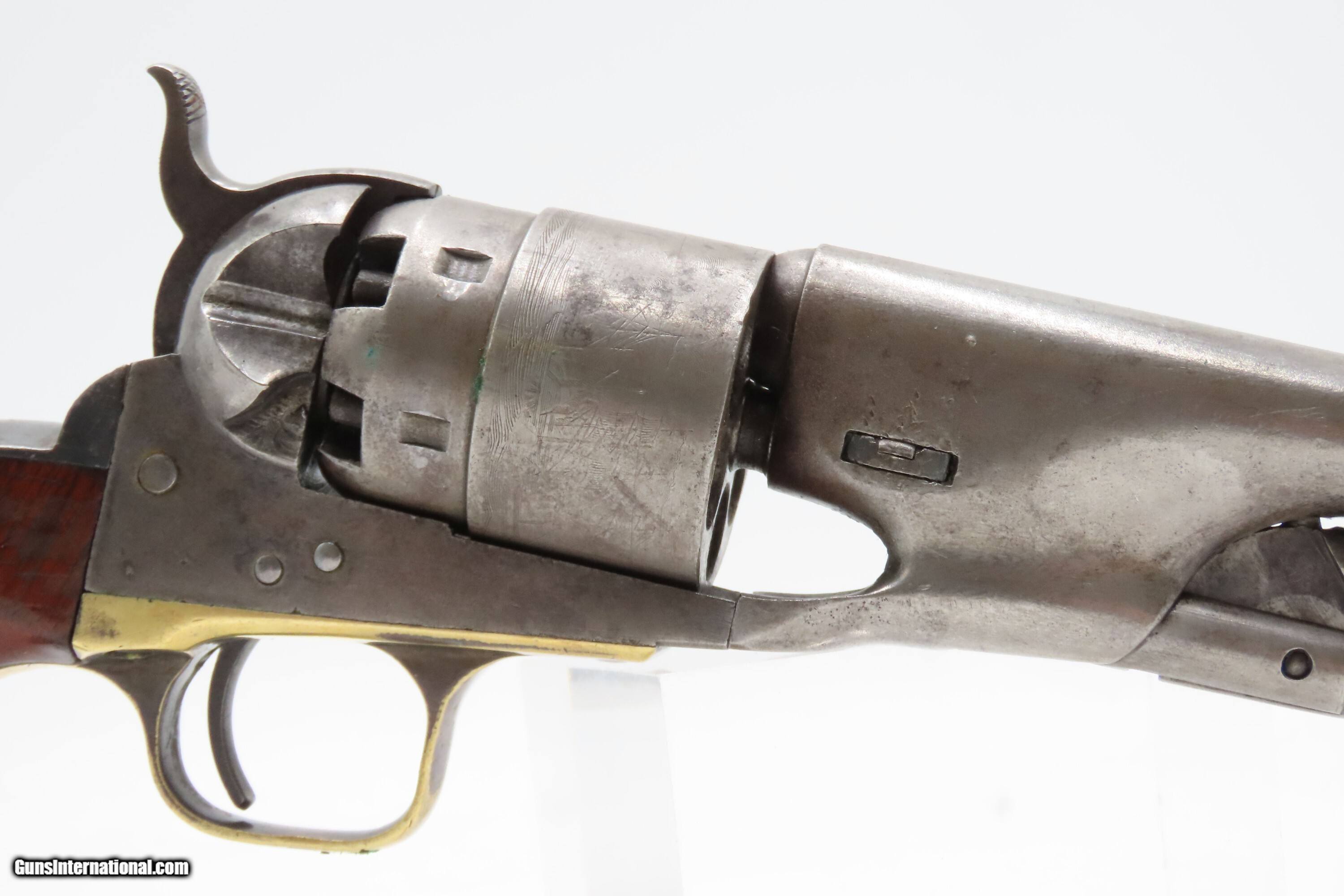
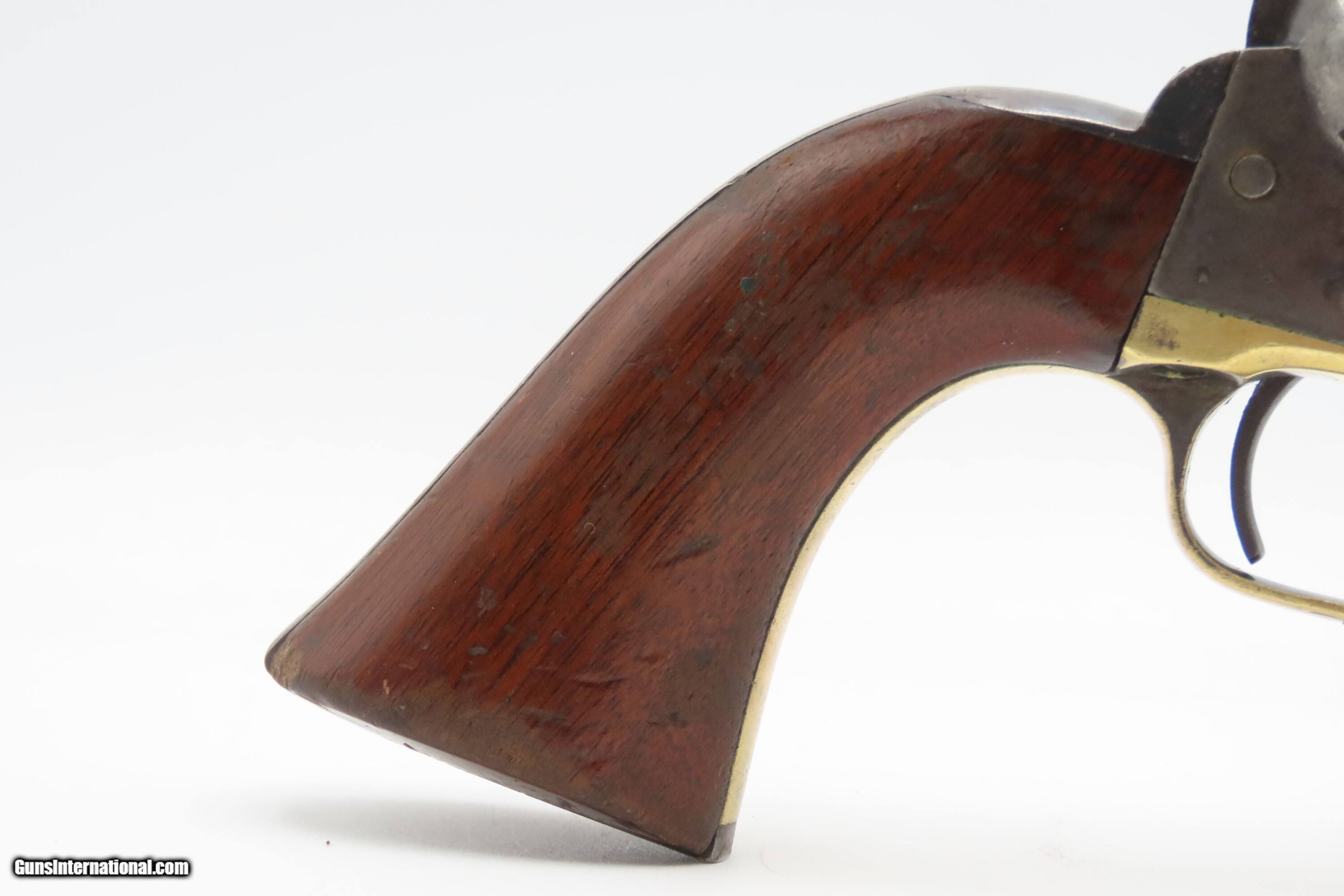
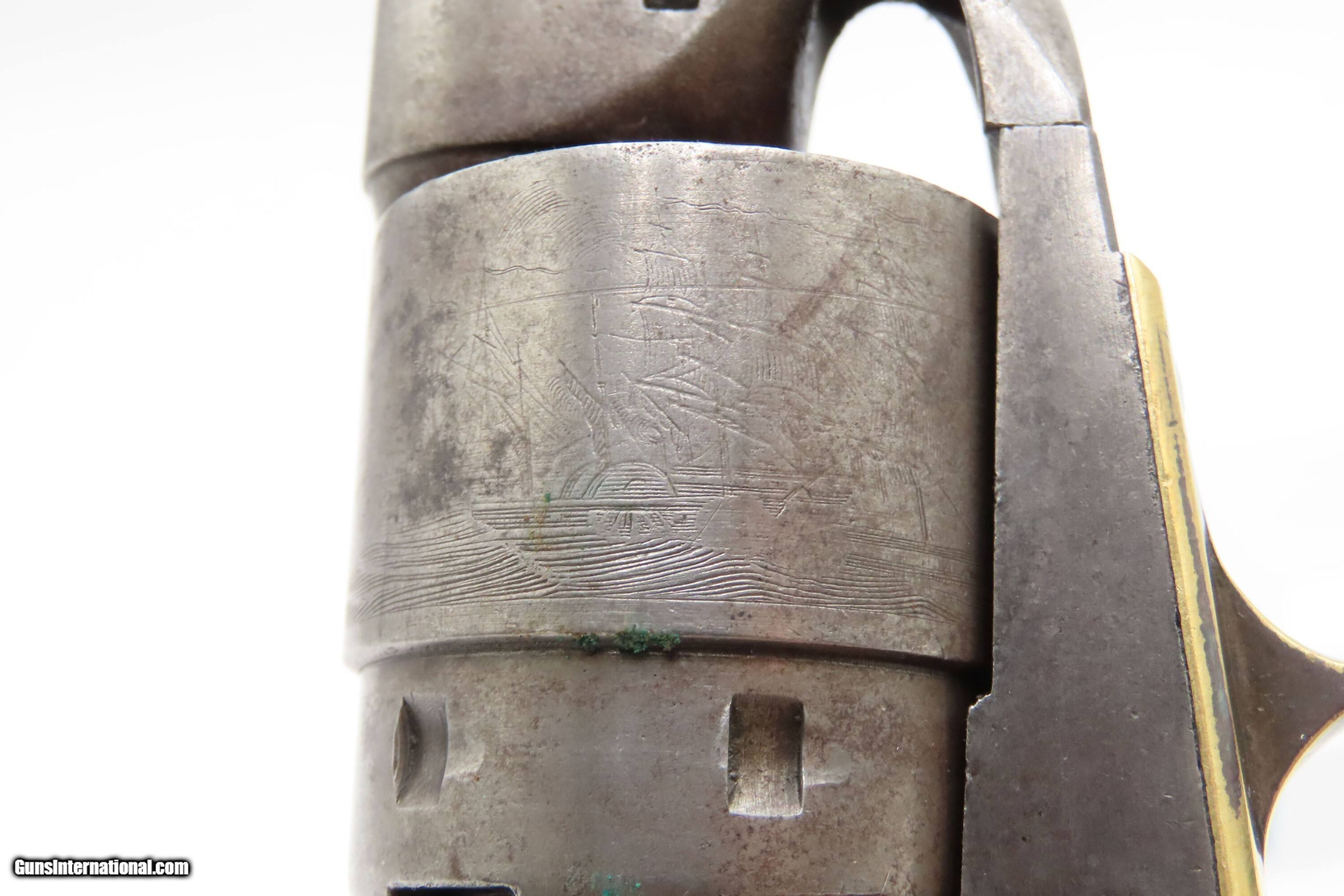
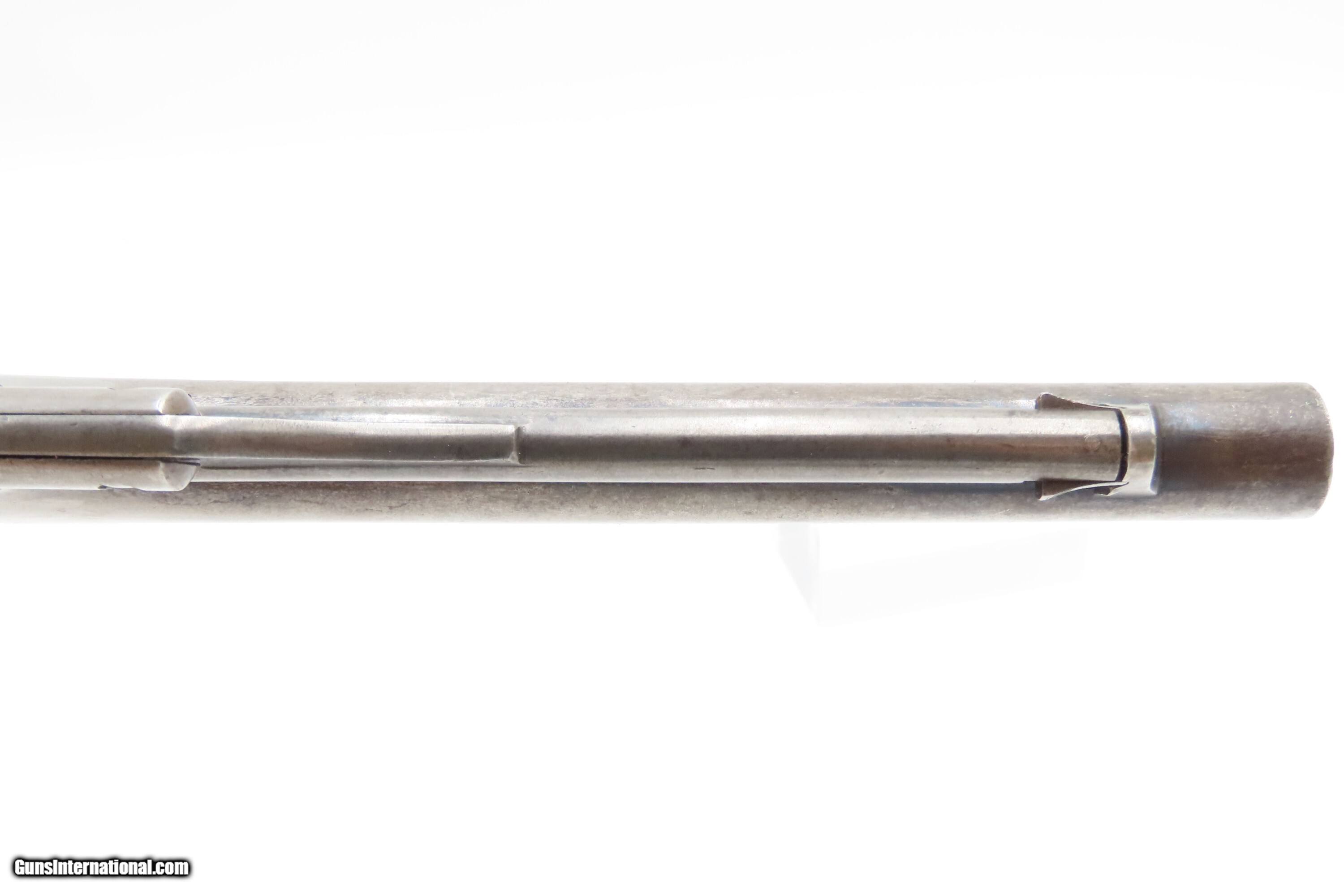
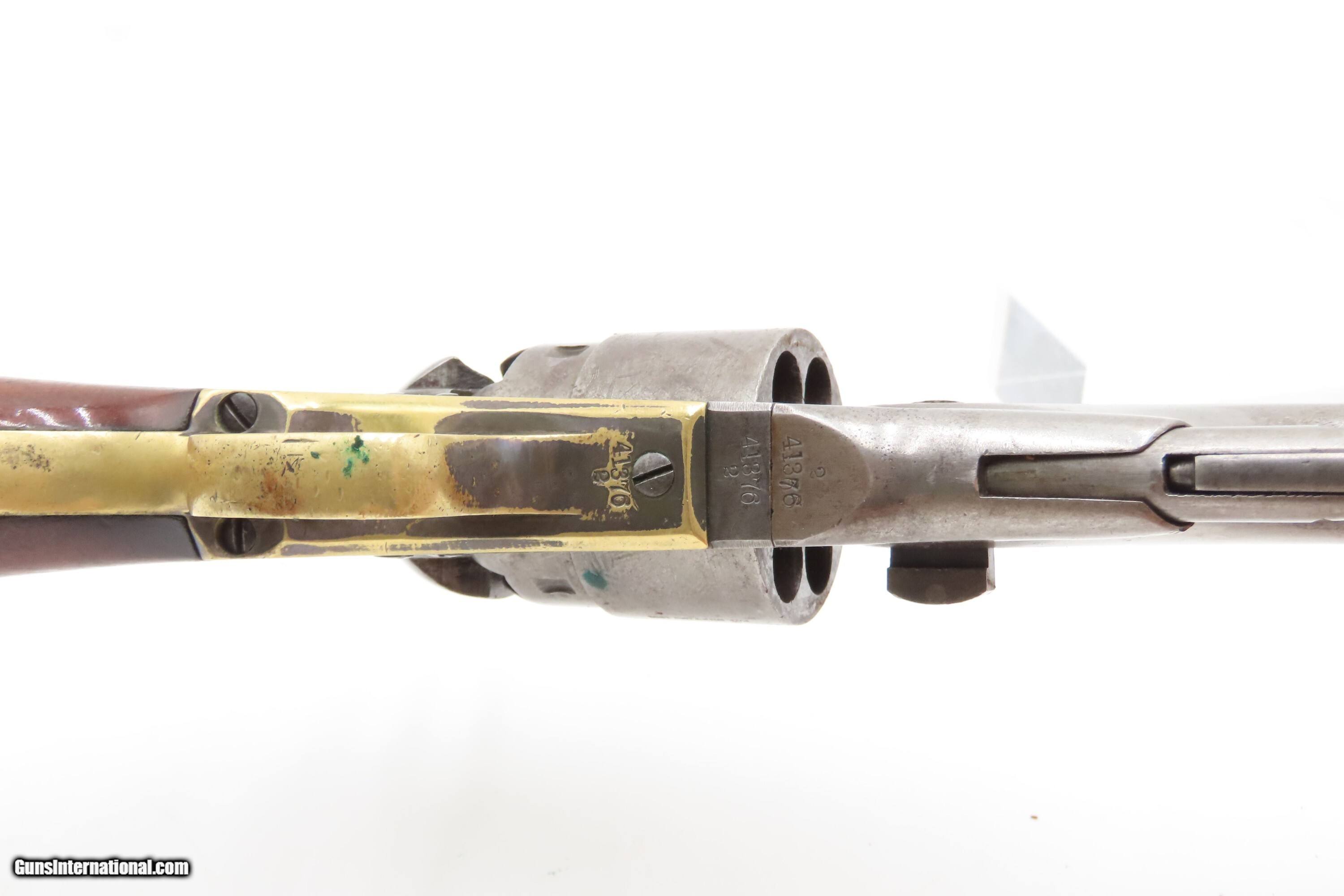
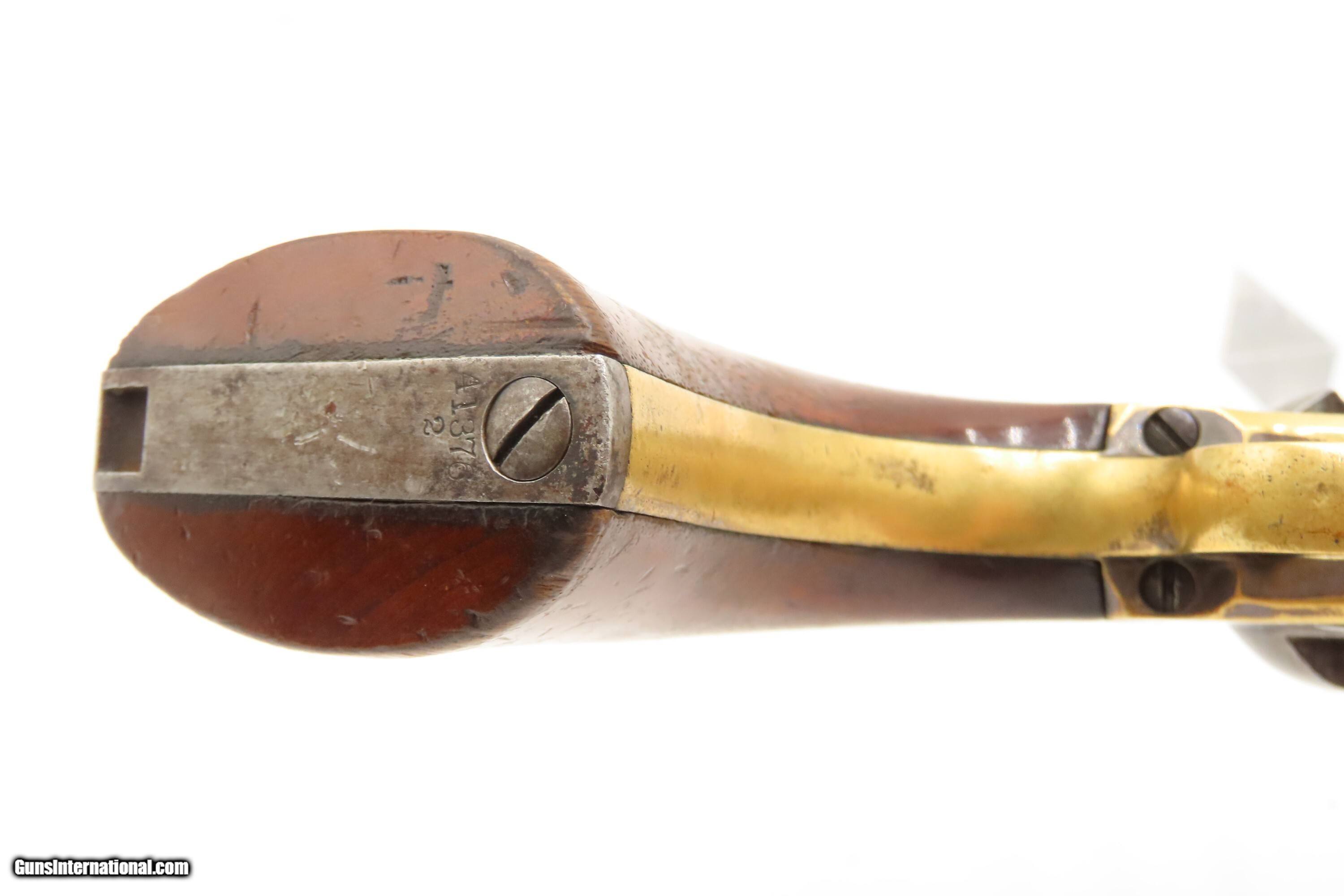
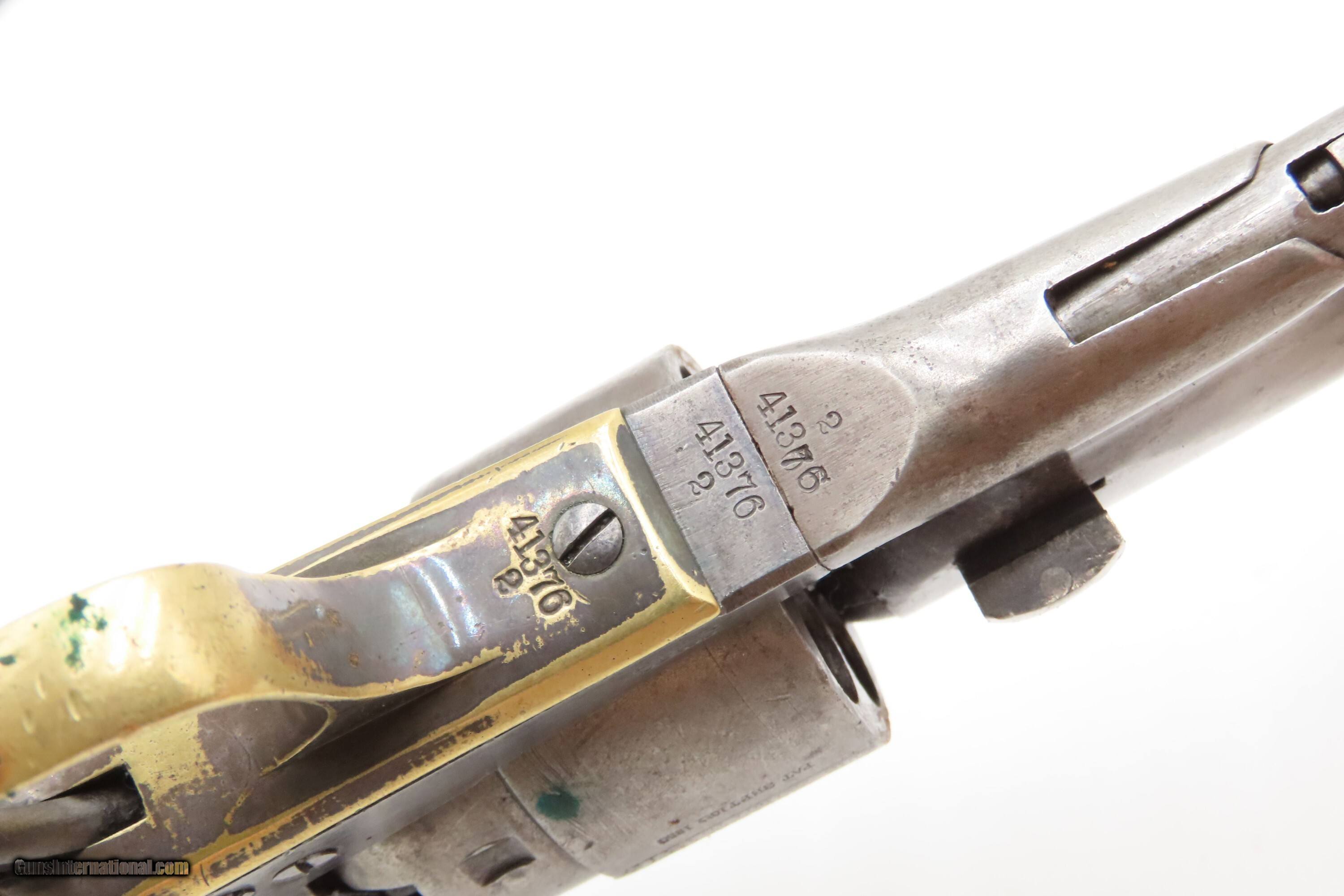
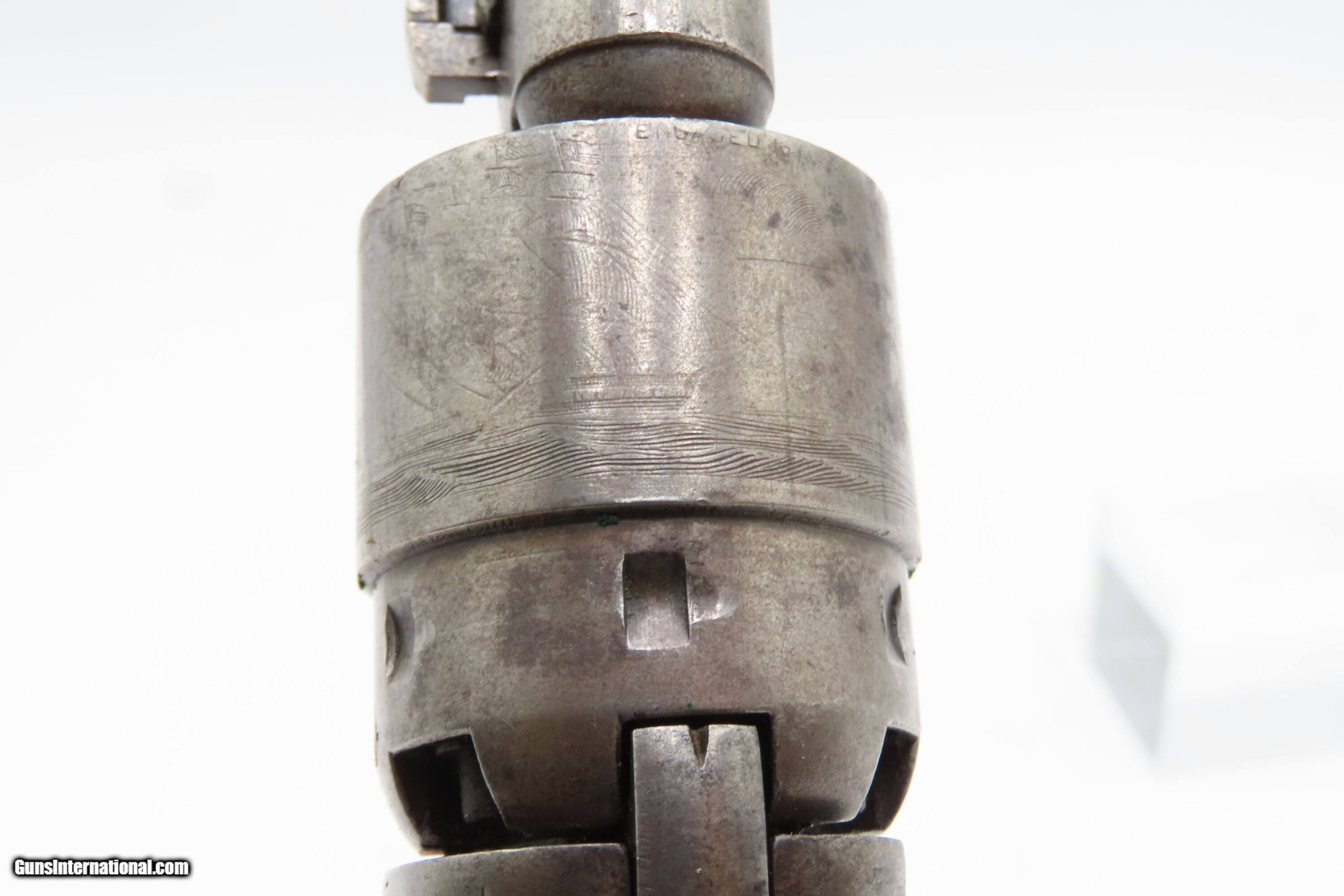
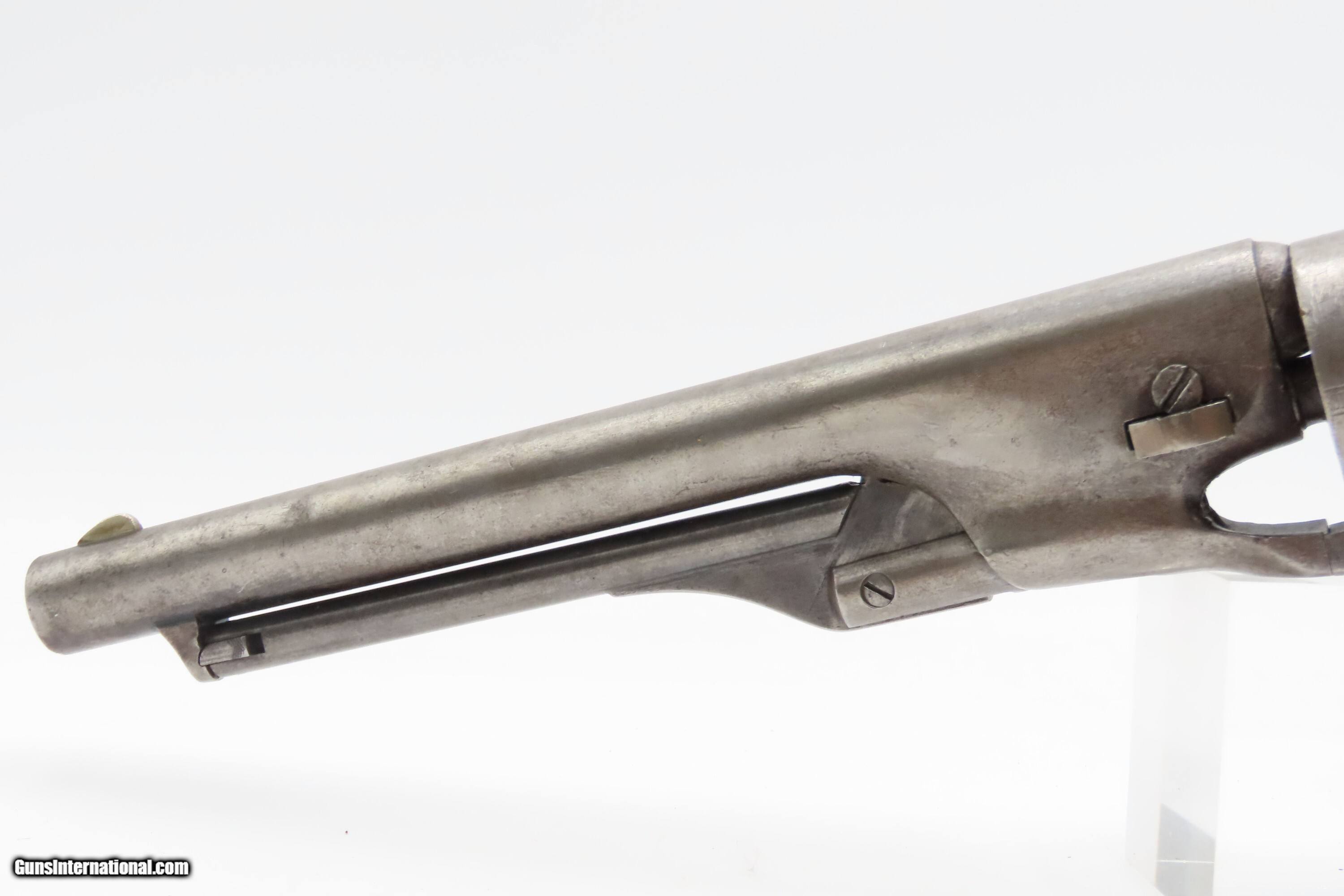
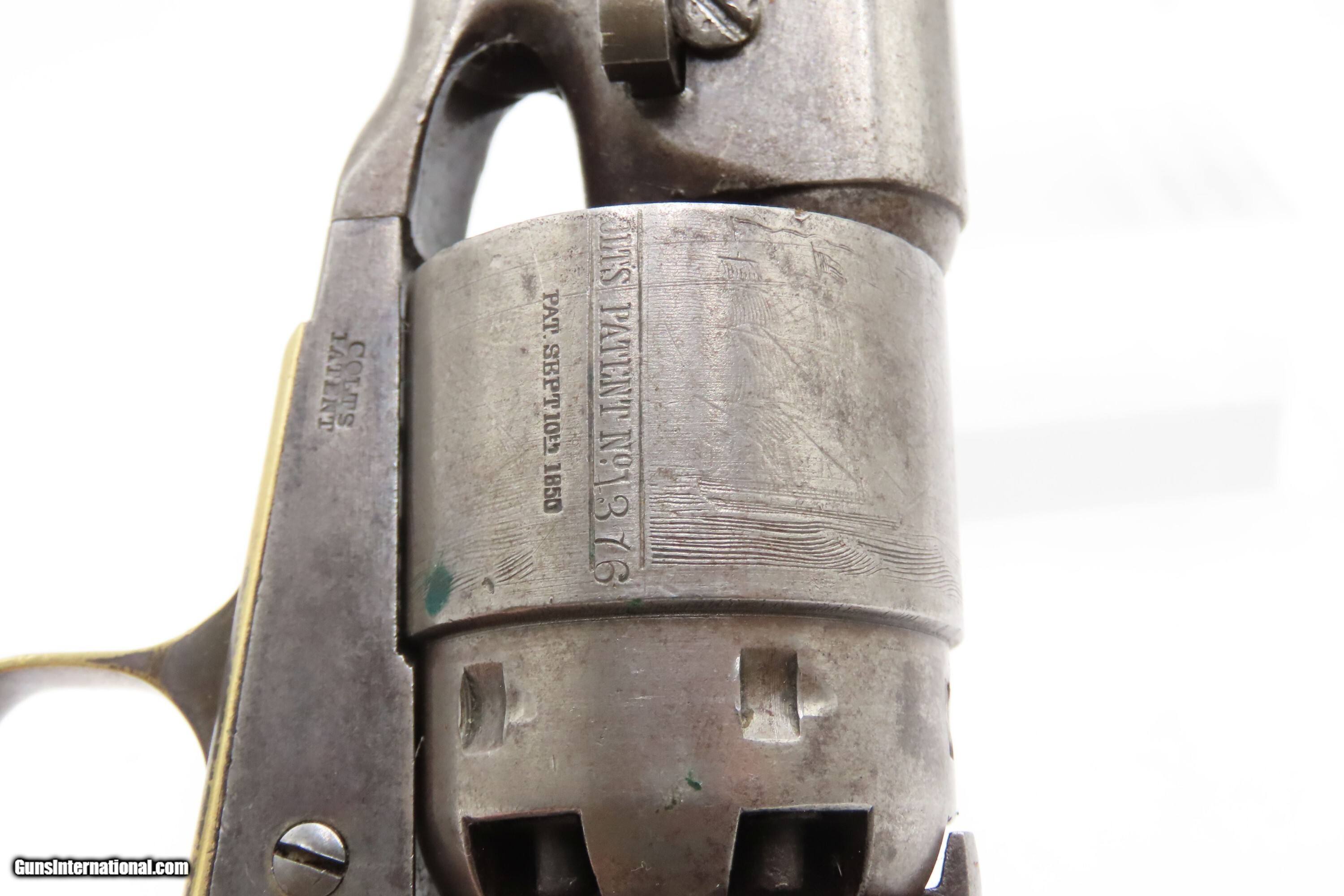
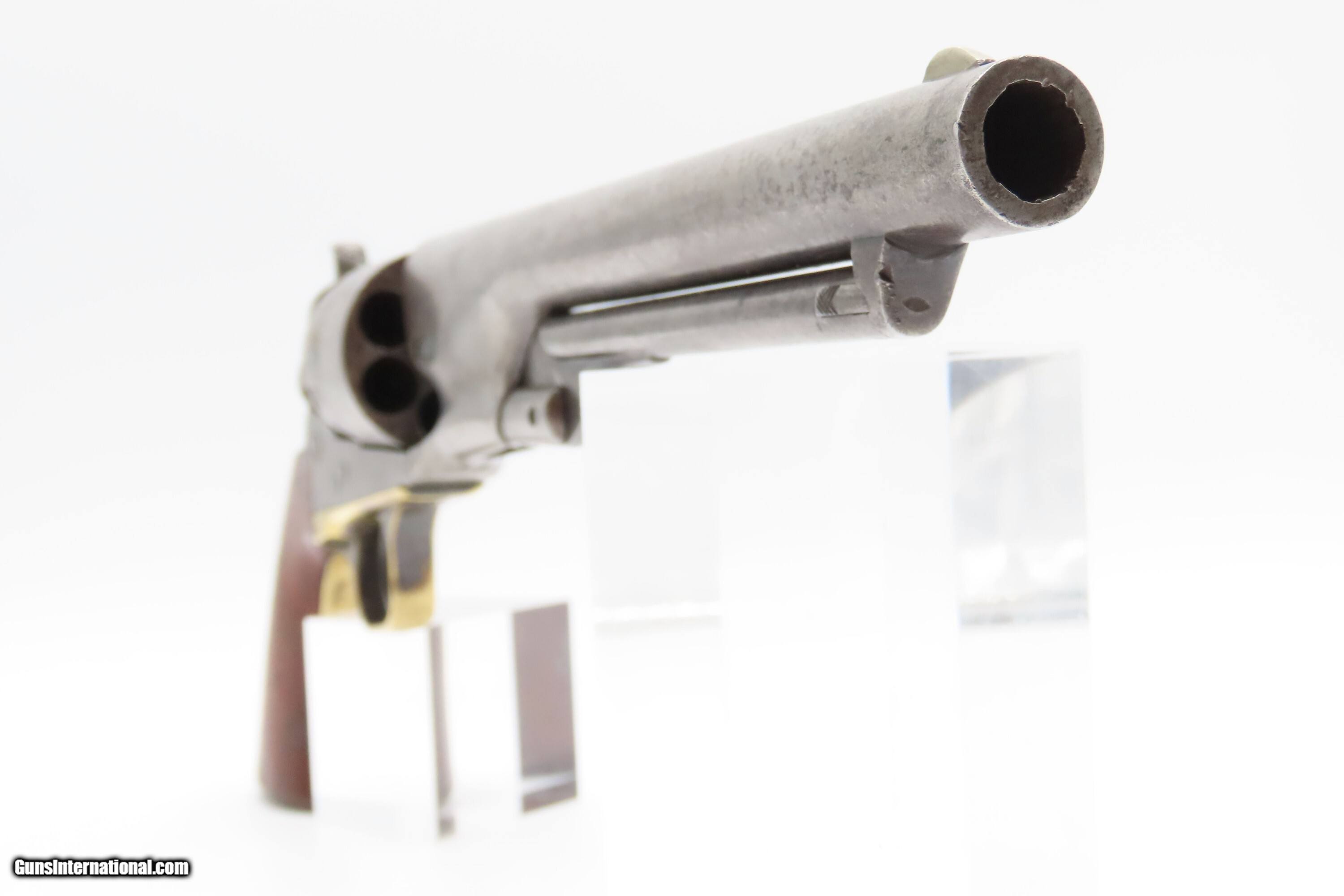
The overall condition is very good. Patina throughout with some traces of blue finish at the top of the grip frame, silver finish on the trigger guard and case colors visible on the hammer and the rammer. The Battle of Campeche cylinder scene is in great shape. The action is excellent, crisp and strong. The bore is shiny bright with sharp rifling. The grip has much of the original finish and is solid. The serial numbers match throughout. The barrel wedge is a replacement that has been numbered to match. The original belt and holster are in fine condition for their age and use. A wonderful revolver and rig that belonged to a hero of the young American Republic!
Own the original! This is a legitimate antique and not a reproduction.
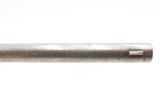
Barrel is 8 inches.
Caliber: .44 Percussion
Overall condition as seen in photos.
Very Fast. Very Safe. FREE SHIPPING WORLDWIDE. Delivered directly to your door by express mail!
Guaranteed AUTHENTIC & Includes CERTIFICATE OF AUTHENTICITY.
$14,000
#259360
Curio/Relic: Yes
Antique: Yes
Price: $14,000.00
Buy Now
Description:
145th PA INFANTRY COLONEL’S U.S. COLT M1860 Army Revolver Antique CIVIL WAR
Capt. C.M. Lynch who Raised McLane’s Avengers!
Here Ancestry Guns presents an antique U.S. Colt Model 1860 Army Revolver, made in 1862 in Hartford, Connecticut. This gun is inscribed to then-Captain C.M. Lynch of the 145th Pennsylvania Infantry Volunteers, who would be promoted throughout the war to conclude his military career as a breveted Colonel. He had a storied service record during the American Civil War. As a law student at age 19, he was inspired to raise a company of infantry from his hometown in honor of the fallen Colonel John W. McLane, also of Erie, and commander of the 83rd Pennsylvania Infantry, who was slain at Gaines’ Mill. Company D of the 145th would become “McLane’s Avengers”, and they would bear the colors of the regiment all the way to war’s end. Lynch mustered in to the 145th Pennsylvania Volunteer Infantry on August 27, 1862, with the rank of Captain.
Below is a timeline of notable events in Lynch’s service from muster in to muster out:
December 13, 1862: Lynch led “McLane’s Avengers” (Co. D) during the assault on Marye’s Heights at the battle of Fredericksburg, during which they suffered immense losses to both enlisted men and officers.
May 1-4, 1863: Lynch commanded Co. D at the Battle of Chancellorsville, again suffering many casualties in a brutal battle.
July 2-3: Lynch led Co. D into the Wheatfield during the Battle of Gettysburg, the site of some of the most chaotic, brutal, and bloody fighting of the war.
November 13, 1863: Lynch was promoted to Major due to the officer corps being hollowed out by casualties.
June 16, 1864: Lynch participated in the initial assaults of the Siege of Petersburg and barely evaded capture at Battery 14. In the process, he was hit in the chest by a spent musket ball—which still had the energy to severely bruise him—but remained in the field in order to assume command of the badly damaged 145th.
June 22, 1864: Lynch was captured during the Battle of Jerusalem Plank Road as he fought sword in hand. He was spared death only by the personal interference of Confederate General Ambrose R. Wright. Instead, he became a prisoner of war held in Libby, Prison in Richmond, Virginia, then Macon, Georgia, and then Charleston, South Carolina. While there he was under bombardment from his own Union forces as they laid siege. He was also afflicted by a case of yellow fever, and attended to by Dr. George Rogers Clark Todd, brother-in-law to President Abraham Lincoln (no friend of the President’s), who was a surgeon in the Confederate Army (apparently roundly disliked). He managed the hospital in Charleston, SC at this time and cared for prisoners of war.
March 1865: Lynch escaped with Lieutenant John P. Sheahan (of Maine) and survived the weekslong journey through enemy lines in Confederate uniforms to reach the Union Army in Kinston, North Carolina. From there he reported to Secretary of War Stanton to give him much valuable intelligence.
Lynch was breveted a Colonel and mustered out May 21, 1865. Frankly, there are almost too many events of note during the war to reiterate here (including his role in the capture of the Stonewall Brigade), but we have provided much of the documentation. He was a member of his local Grand Army of the Republic post and made a career of being a public servant, including district attorney and internal revenue collector. He had a family with four children. The Waynesboro Record of September 6, 1888, featured an interesting article that highlights the generosity of Colonel Lynch: A wealthy businessman named Conrad Shenfield became an alcoholic and lost everything before taking a pledge of temperance. Wanting to move West and begin again, even though later in life, he could not raise any funds to do such, except for Colonel Lynch, who gave him $200. In one of those too-good-to-be-true tales, the reformed businessman went West and succeeded in making another fortune in real estate with the railroads, setting up Kingman, Arizona as a town and providing water infrastructure to Albuquerque, New Mexico, and leaving the majority of his fortune to Lynch upon his death!
When Colonel Lynch passed he was buried in the Erie Cemetery, where Colonel McLane was also interred.
See the Richmond Examiner, June 25, 1864; Biography of Charles M. Lynch, published in Nelson’s biographical dictionary and historical reference book of Erie County, Pennsylvania, 1896, by Benjamin Whitman
The overall condition is very good. Patina throughout with some traces of blue finish at the top of the grip frame, silver finish on the trigger guard and case colors visible on the hammer and the rammer. The Battle of Campeche cylinder scene is in great shape. The action is excellent, crisp and strong. The bore is shiny bright with sharp rifling. The grip has much of the original finish and is solid. The serial numbers match throughout. The barrel wedge is a replacement that has been numbered to match. The original belt and holster are in fine condition for their age and use. A wonderful revolver and rig that belonged to a hero of the young American Republic!
Own the original! This is a legitimate antique and not a reproduction.
Barrel is 8 inches.
Caliber: .44 Percussion
Overall condition as seen in photos.
Very Fast. Very Safe. FREE SHIPPING WORLDWIDE. Delivered directly to your door by express mail!
Guaranteed AUTHENTIC & Includes CERTIFICATE OF AUTHENTICITY.
$14,000
#259360
Curio/Relic: Yes
Antique: Yes
Price: $14,000.00
Buy Now
Guns International Advertising Policy
GunsInternational.com is the #1 Gun Classified website that brings gun buyers and gun brokers or sellers together through classified advertising of guns, gun related items and services for sale online. If you are looking to buy guns online or sell guns online, you have come to the right place. GunsInternational.com gun classifieds currently have over 200,000 guns for sale online by numerous dealers and collectors alike. Guns International makes no representation or warranty as to the accuracy of the information contained in the gun classifieds, gun parts or gun services classifieds listings. Buyers and sellers are required to know and comply with all applicable local, state, federal and international firearm laws.
GunsInternational.com is the #1 Gun Classified website that brings gun buyers and gun brokers or sellers together through classified advertising of guns, gun related items and services for sale online. If you are looking to buy guns online or sell guns online, you have come to the right place. GunsInternational.com gun classifieds currently have over 200,000 guns for sale online by numerous dealers and collectors alike. Guns International makes no representation or warranty as to the accuracy of the information contained in the gun classifieds, gun parts or gun services classifieds listings. Buyers and sellers are required to know and comply with all applicable local, state, federal and international firearm laws.

©2006 - 2026 all rights reserved. | Guns International.com | V4.1 ww3


Privacy Policy
User Agreement
FAQs
Contact Us
Careers
©2006 - 2026 all rights reserved.
Guns International.com | V4.1 ww3
Guns International.com | V4.1 ww3