 to Favorites
1 of 15
2 of 15
3 of 15
4 of 15
5 of 15
6 of 15
7 of 15
8 of 15
9 of 15
10 of 15
11 of 15
12 of 15
13 of 15
14 of 15
15 of 15
 The server has not detected any activity for the last 3 hours.
For your security, your session will expire in 2 minutes and you will be redirected to the Sign In page.
Would you like to stay signed in?
The server has not detected any activity for the last 3 hours.
For your security, your session will expire in 2 minutes and you will be redirected to the Sign In page.
Would you like to stay signed in?


Guns International #: 102555965
Seller's Inventory #: 2312-0274

|
Click Photo to Enlarge
|
Guns International #: 102555965
Seller's Information
When emailing or calling sellers direct,
please mention that you saw their listing on GunsInternational.com
Seller: Shooter's Supply, LLC.
Member Since: 3/16/16
First Name: Patrick
Last Name: Brown
State:
Tennessee
Zip: 37343
Country: United States
Phone:
(423) 875-4868
Active Listings: 28
Total Listings: 1372
Seller Type: FFL Dealer
Return Policy: 3 day inspection and return policy on used guns and accessories. No returns on new firearms.
We normally ship USPS Priority Mail which should be 2-day ship. Shipping is actual cost with a minimum of $30.00 for pistols and $50.00 for rifles/shotguns to ship to most of the 48 contiguous states. Shipping to Alaska may require an extra fee. Shipping insurance is available upon request for an extra fee. We cannot do international sales. As of November 2019, we no longer ship guns to California and Hawaii. Payment Methods: Visa, Master Card, American Express, USPS Money Order. NO CREDIT CARD FEES!!!
About Us: We are a small family owned business located in Hixson, Tennessee. Do you have firearms at home collecting dust? We have a lively consignment business. Our fee is 20% with a $50 minimum. Firearms are consigned for a an average period of 180 days but the length of period is negotiable. We also do handgun carry permit classes for the state of Tennessee. We have a nice indoor shooting range with reasonable rates. Please check us out at shooterssupply.
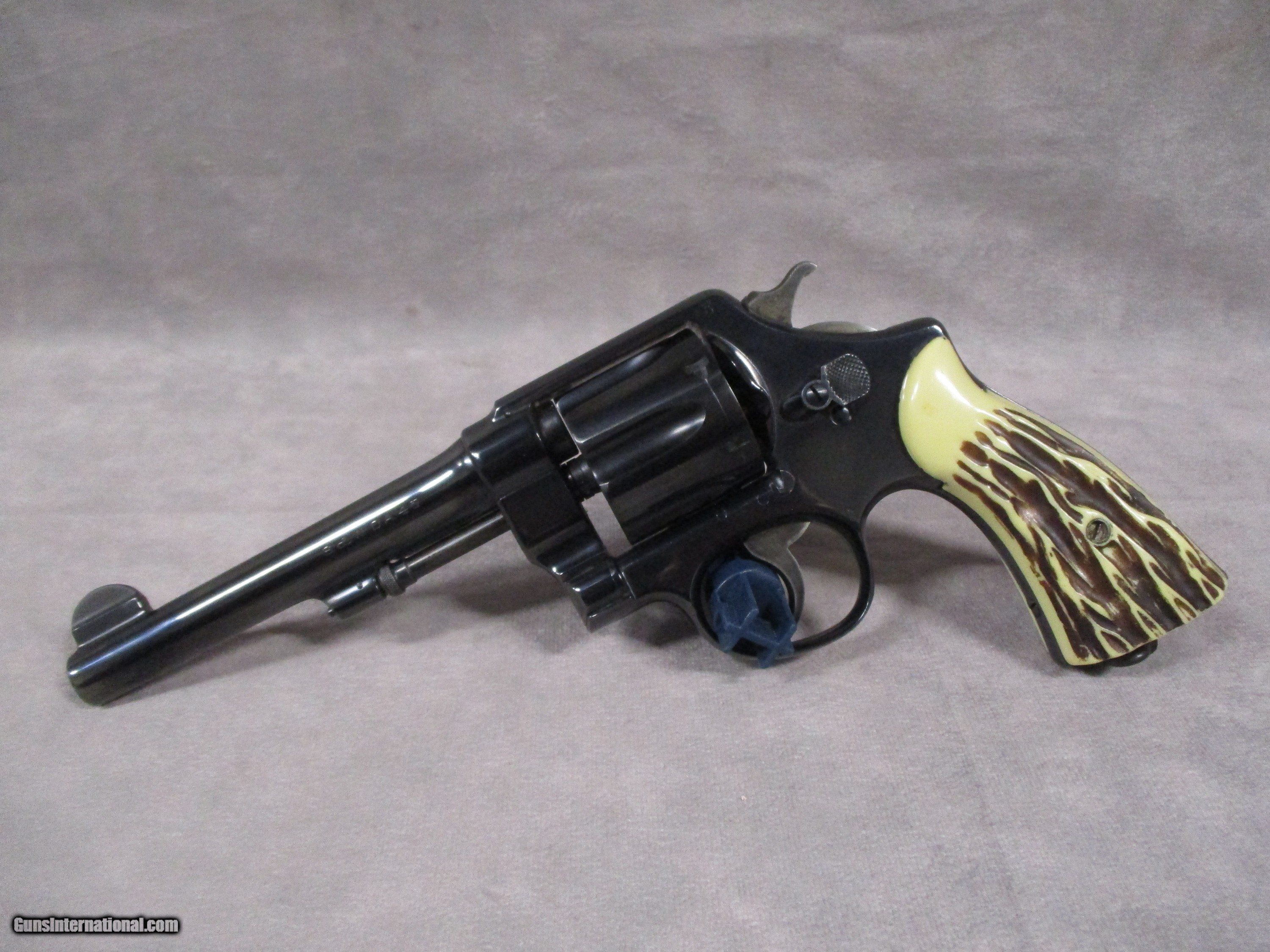
Smith & Wesson Model 1917 D.A. 45 Post-War Commercial Revolver
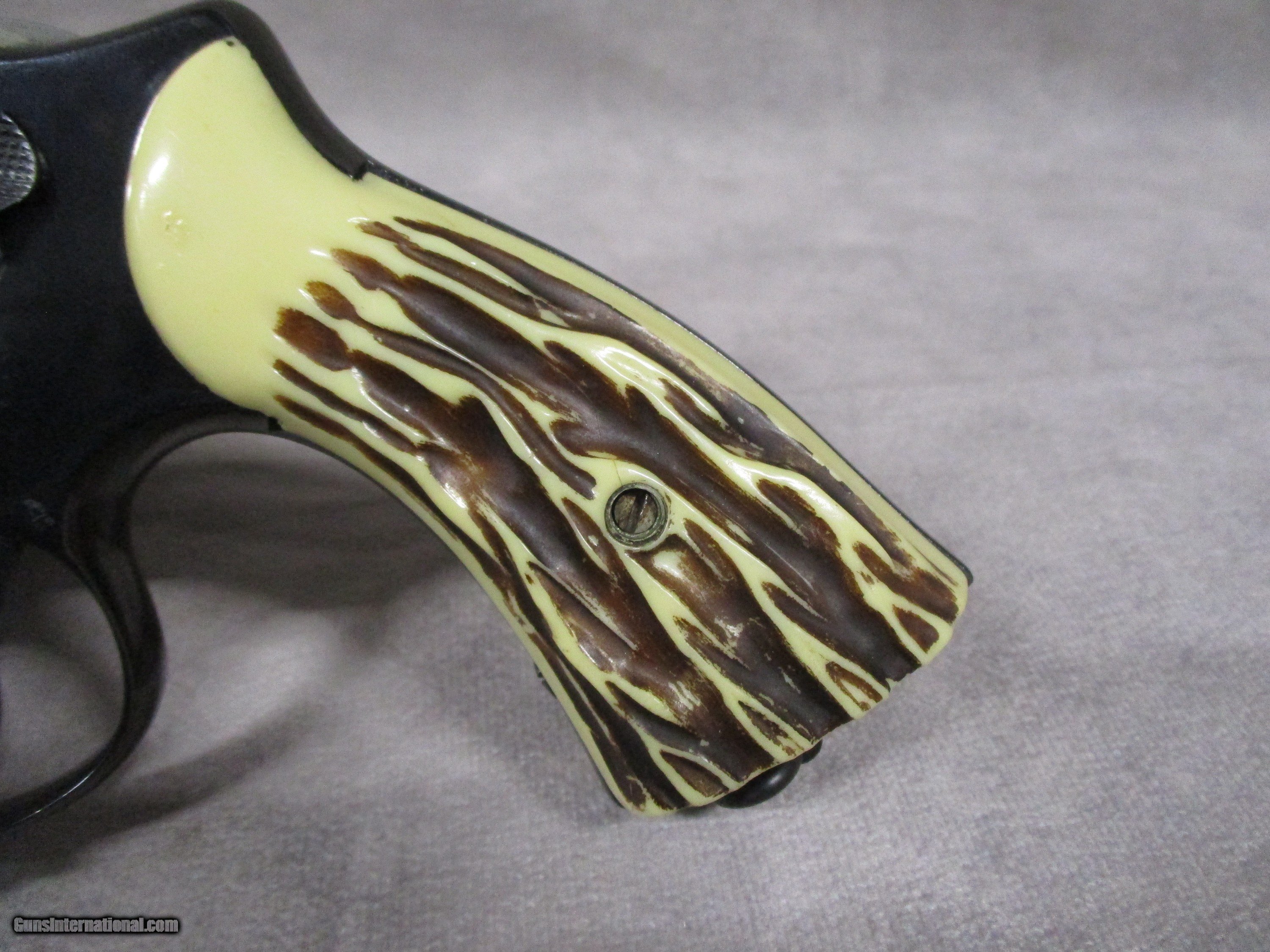
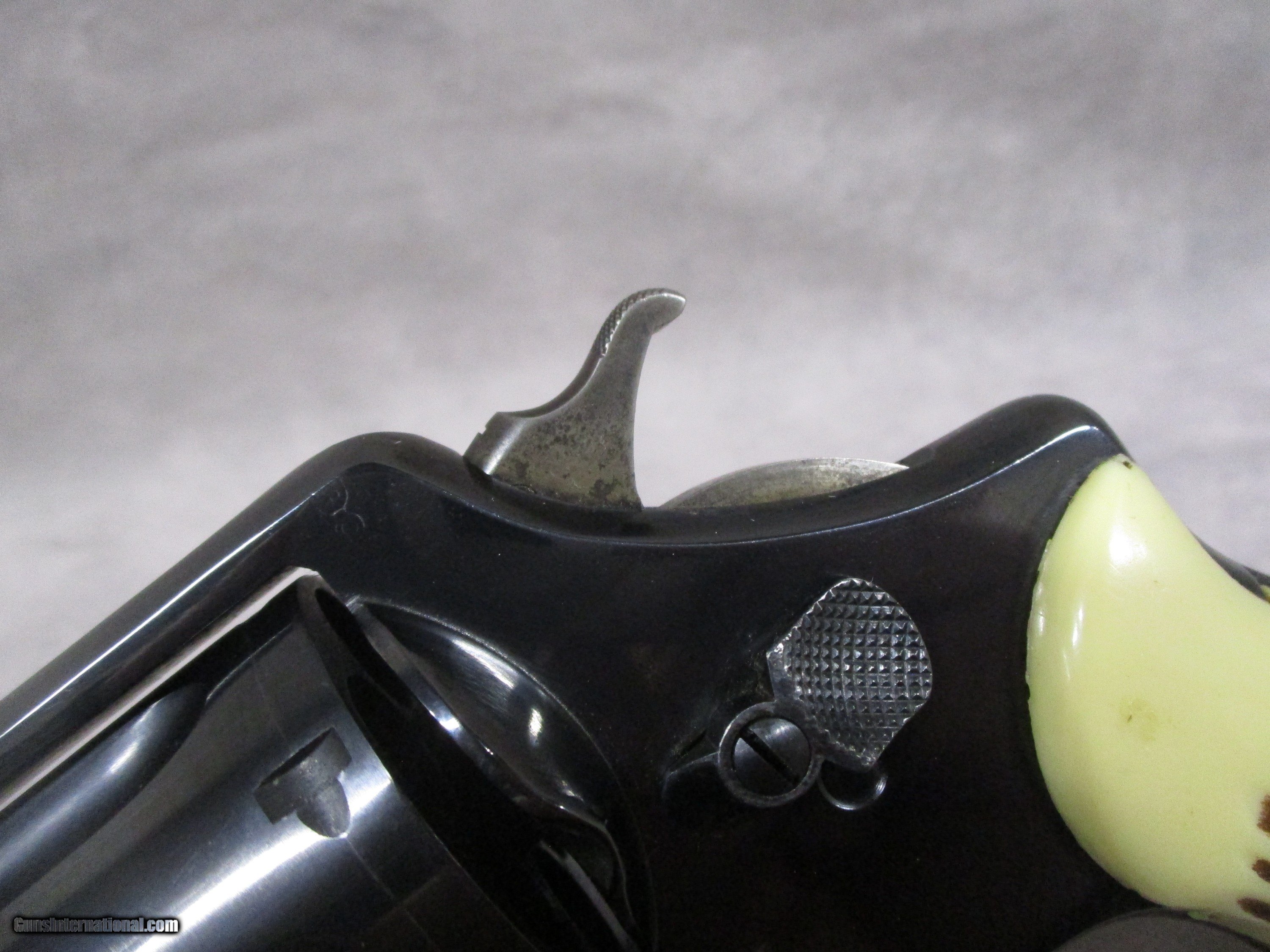
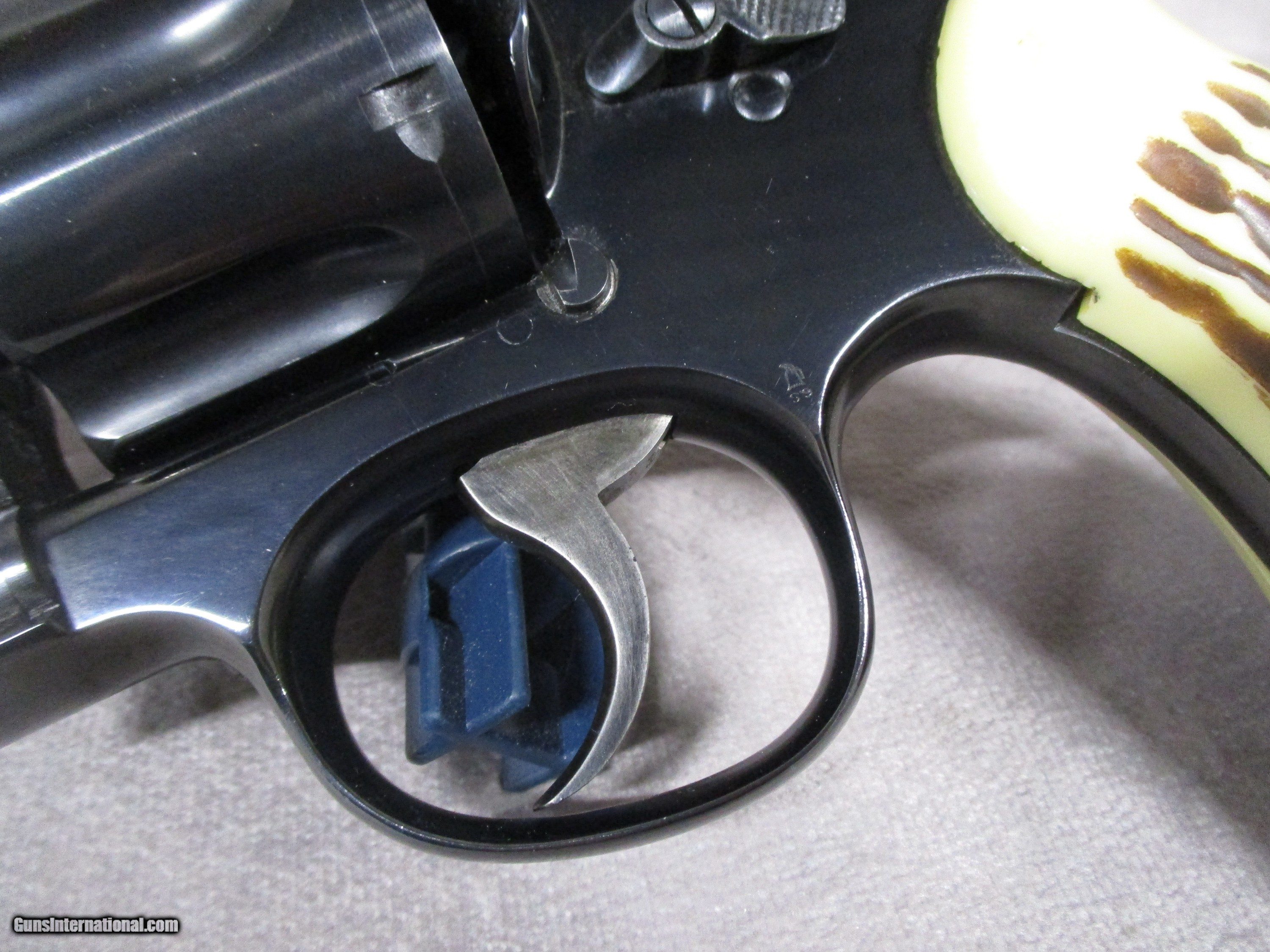
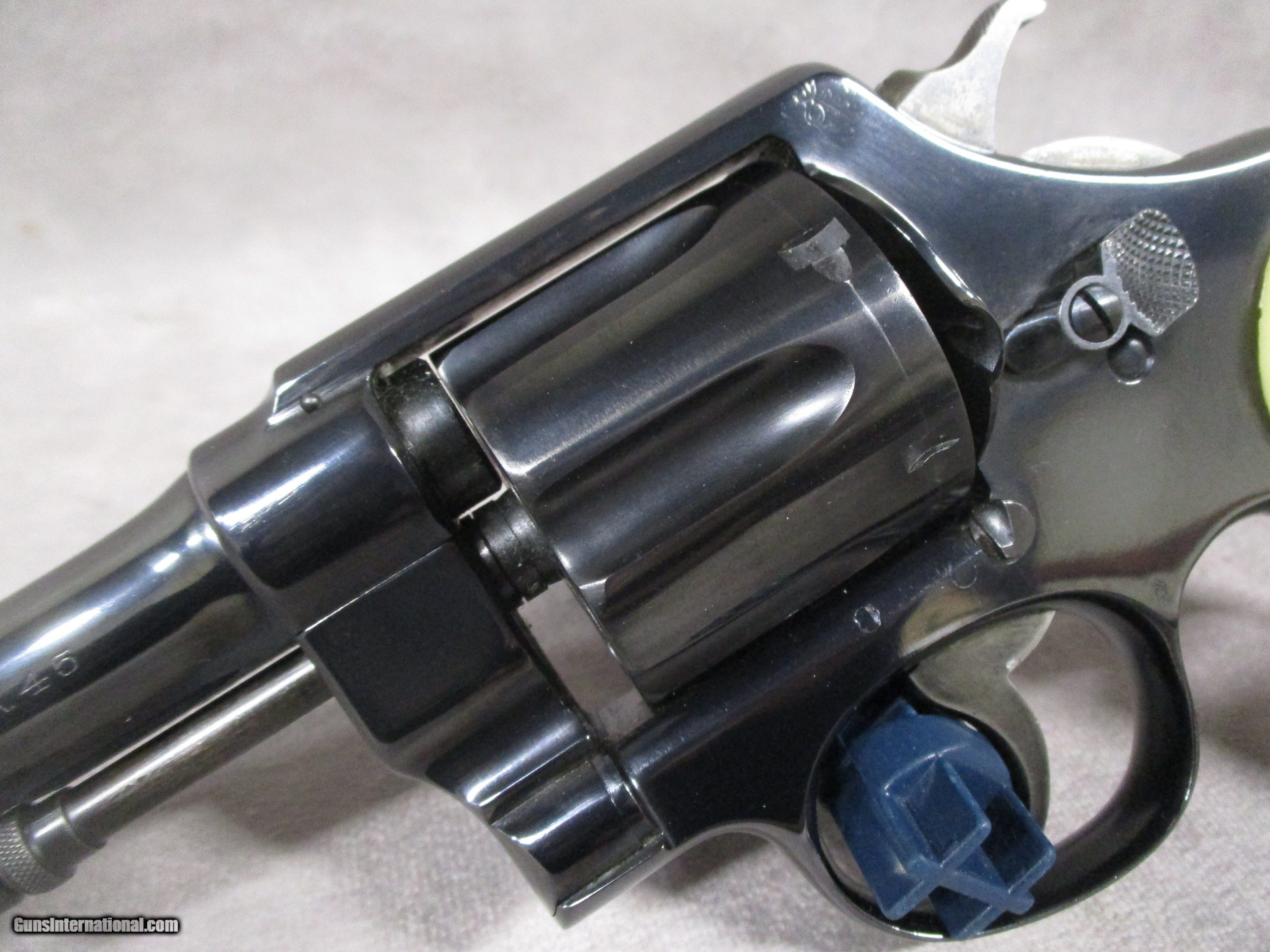
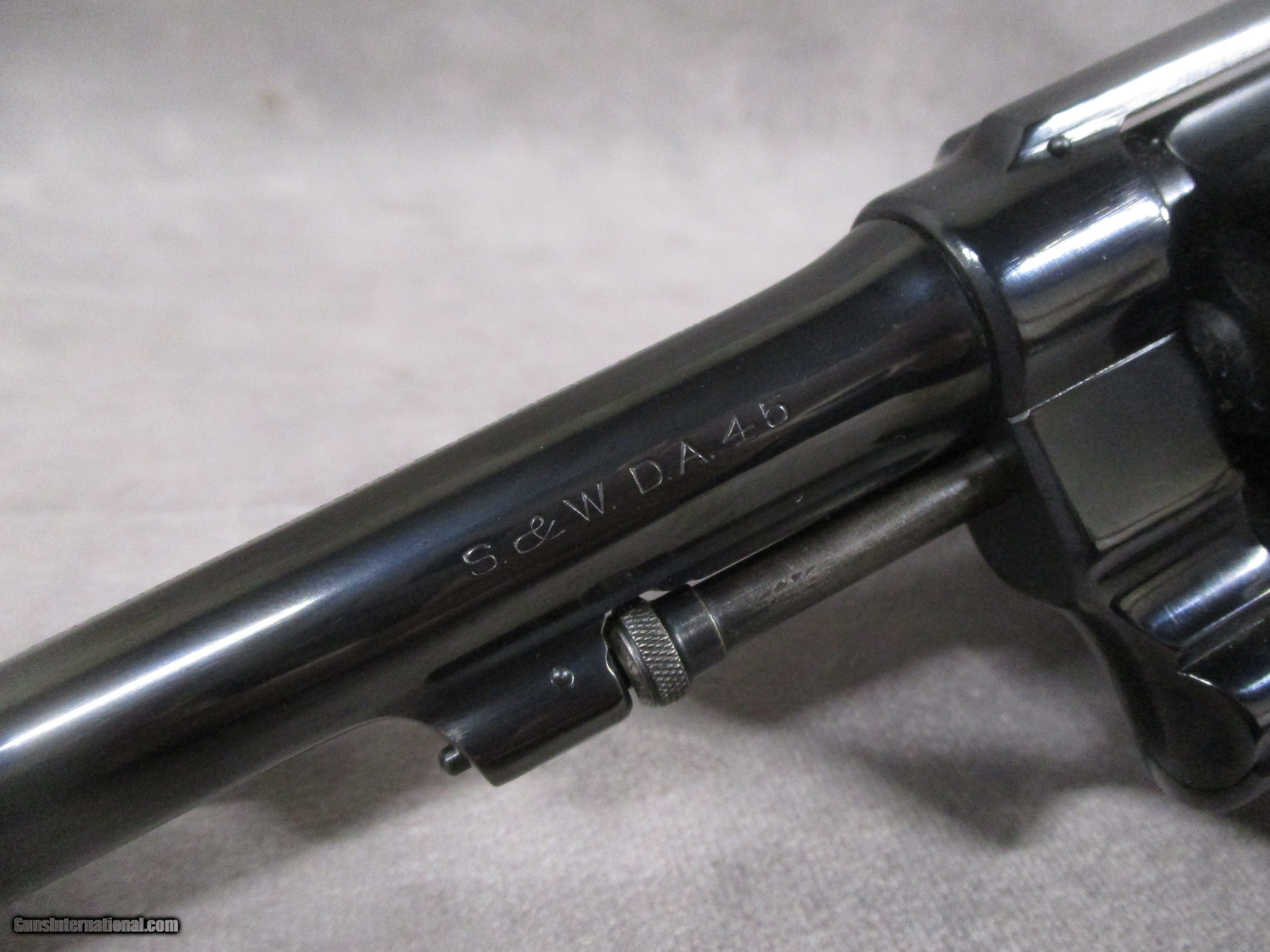
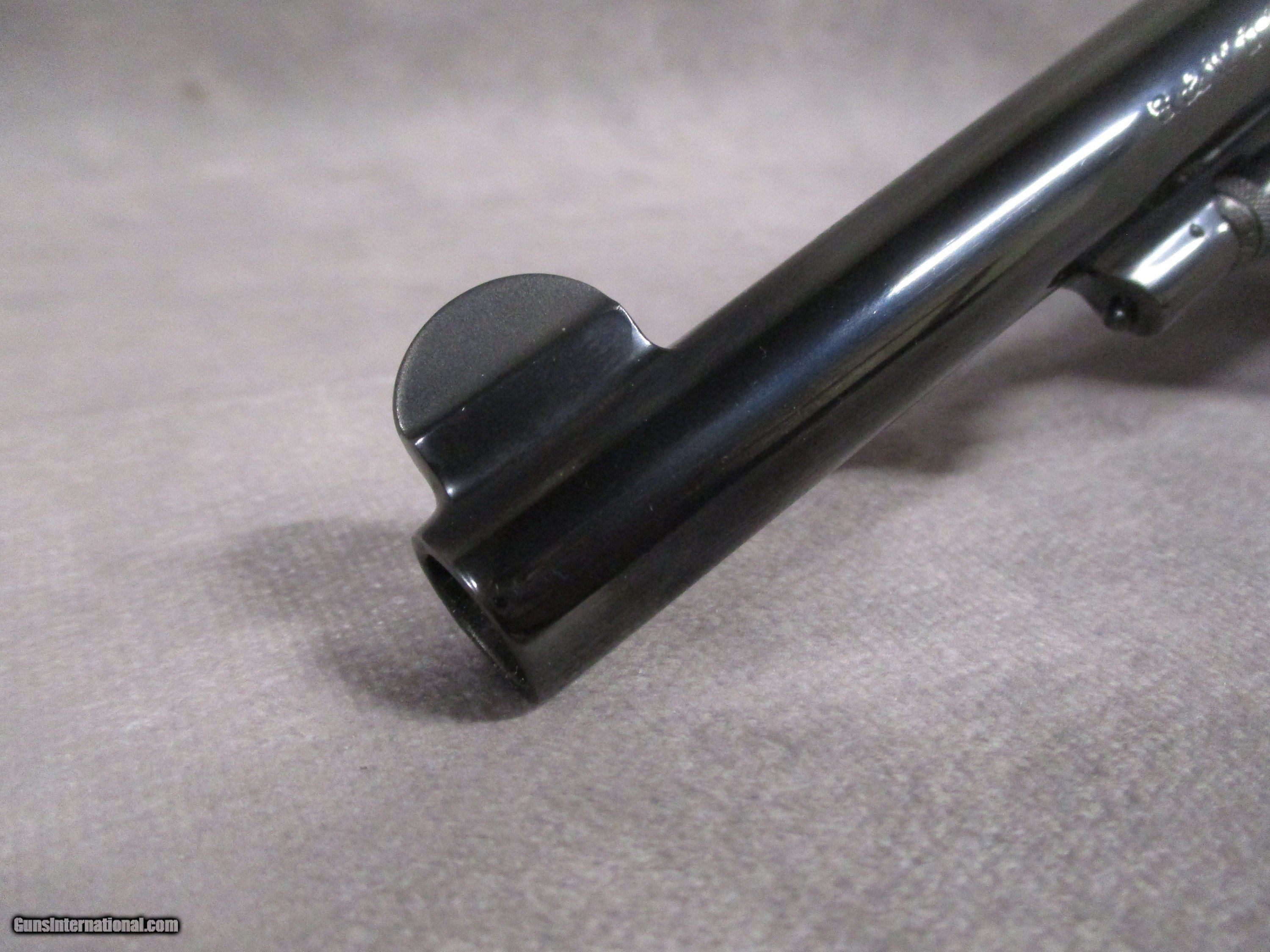
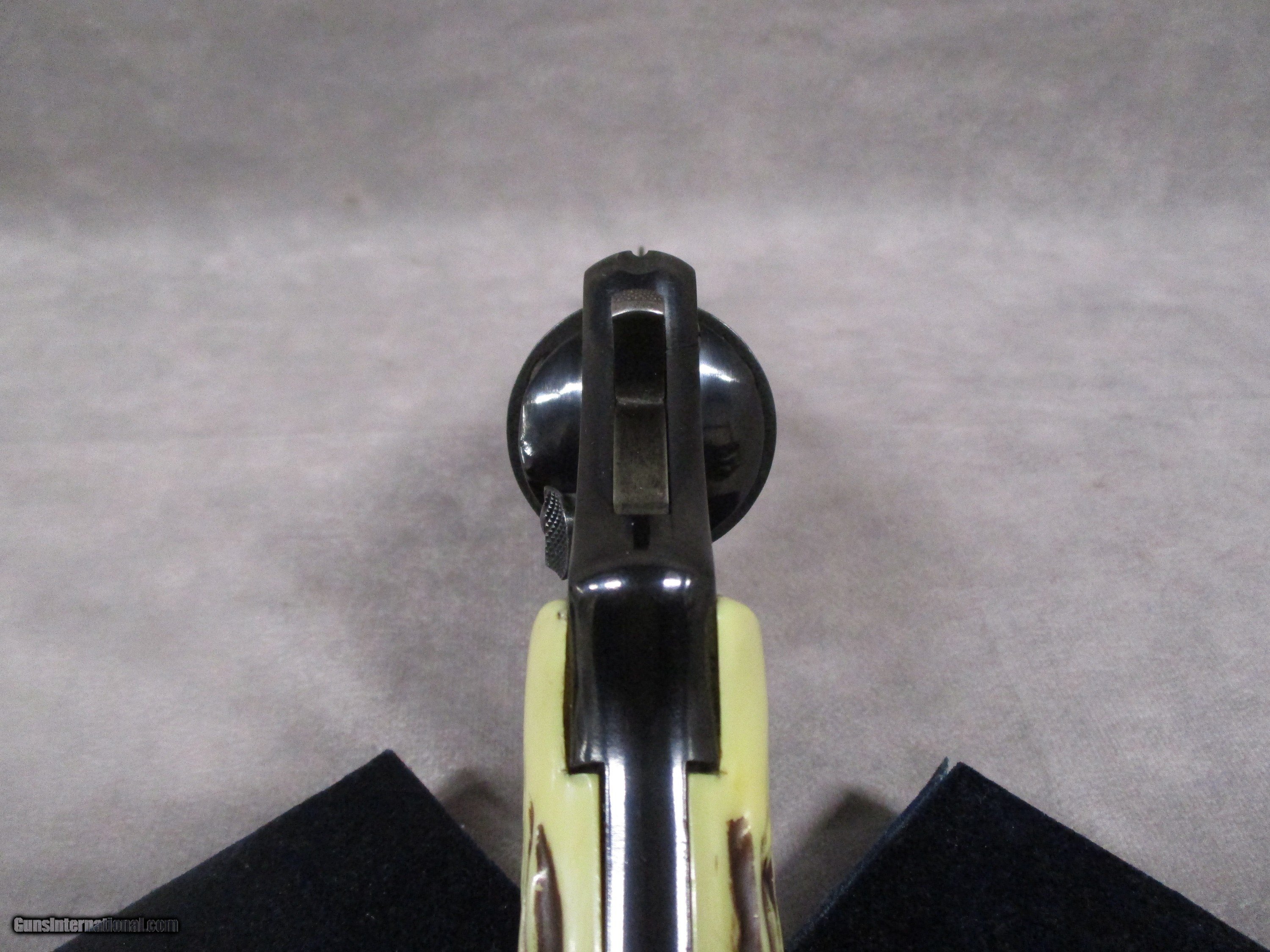
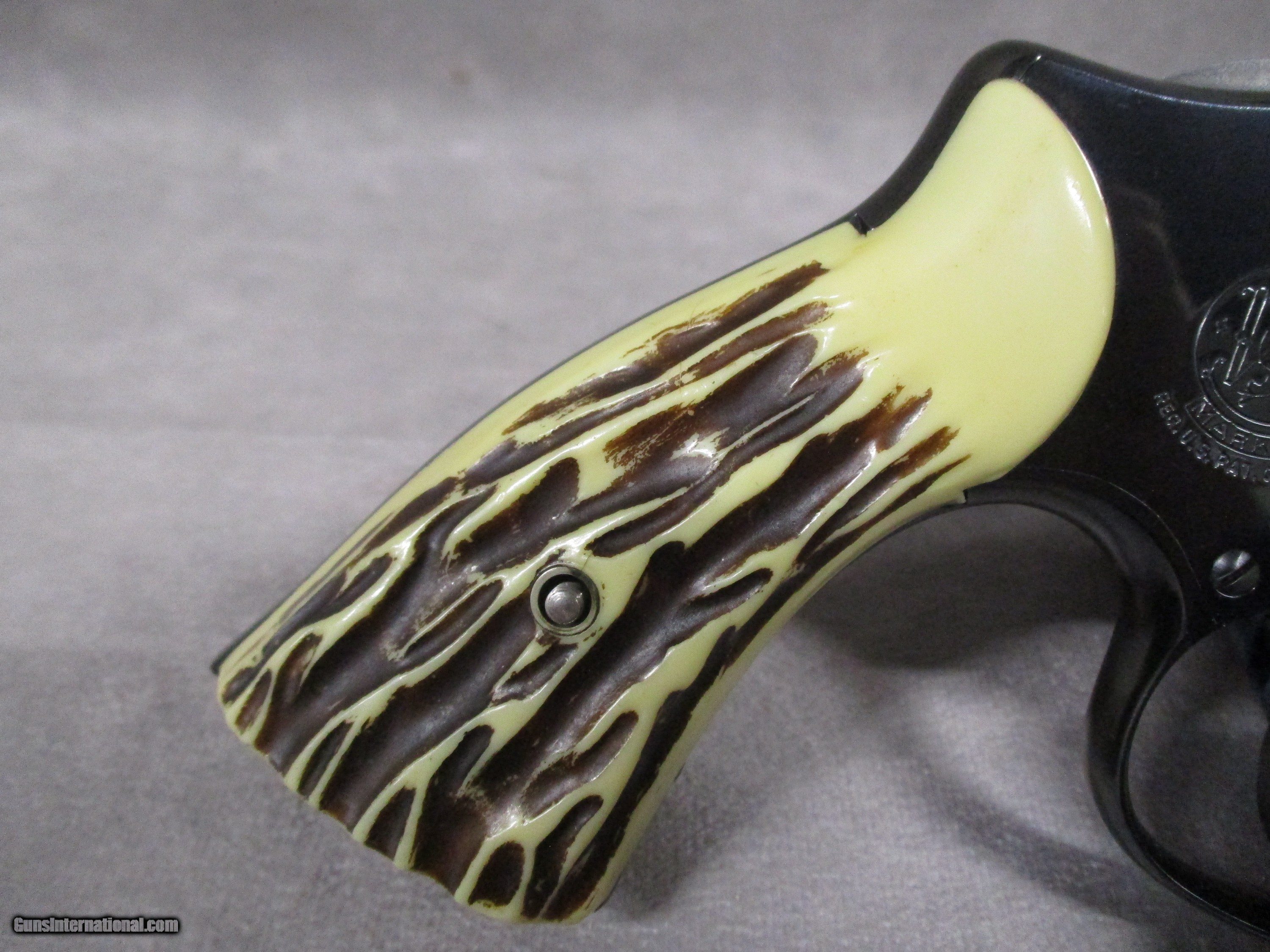
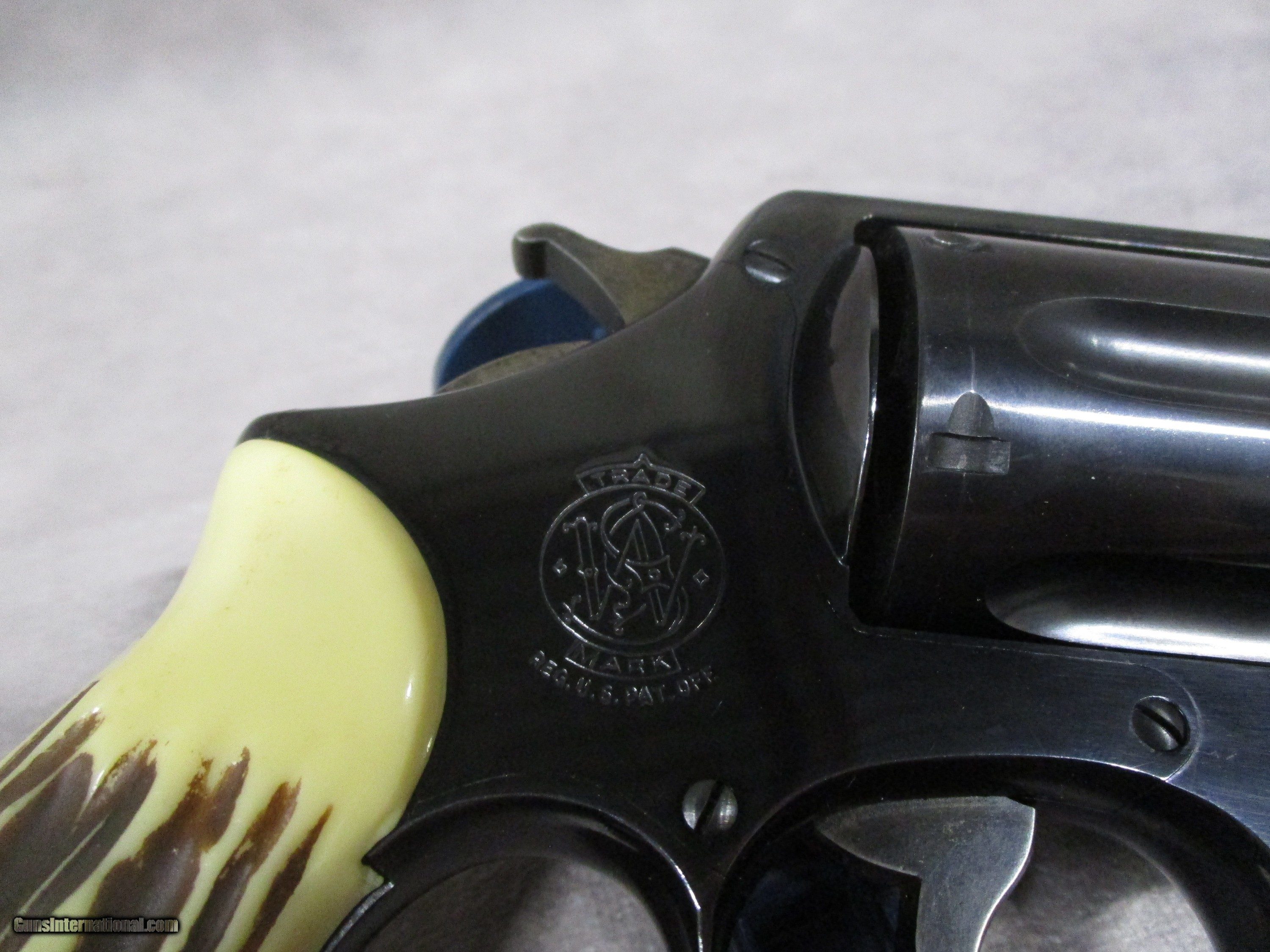
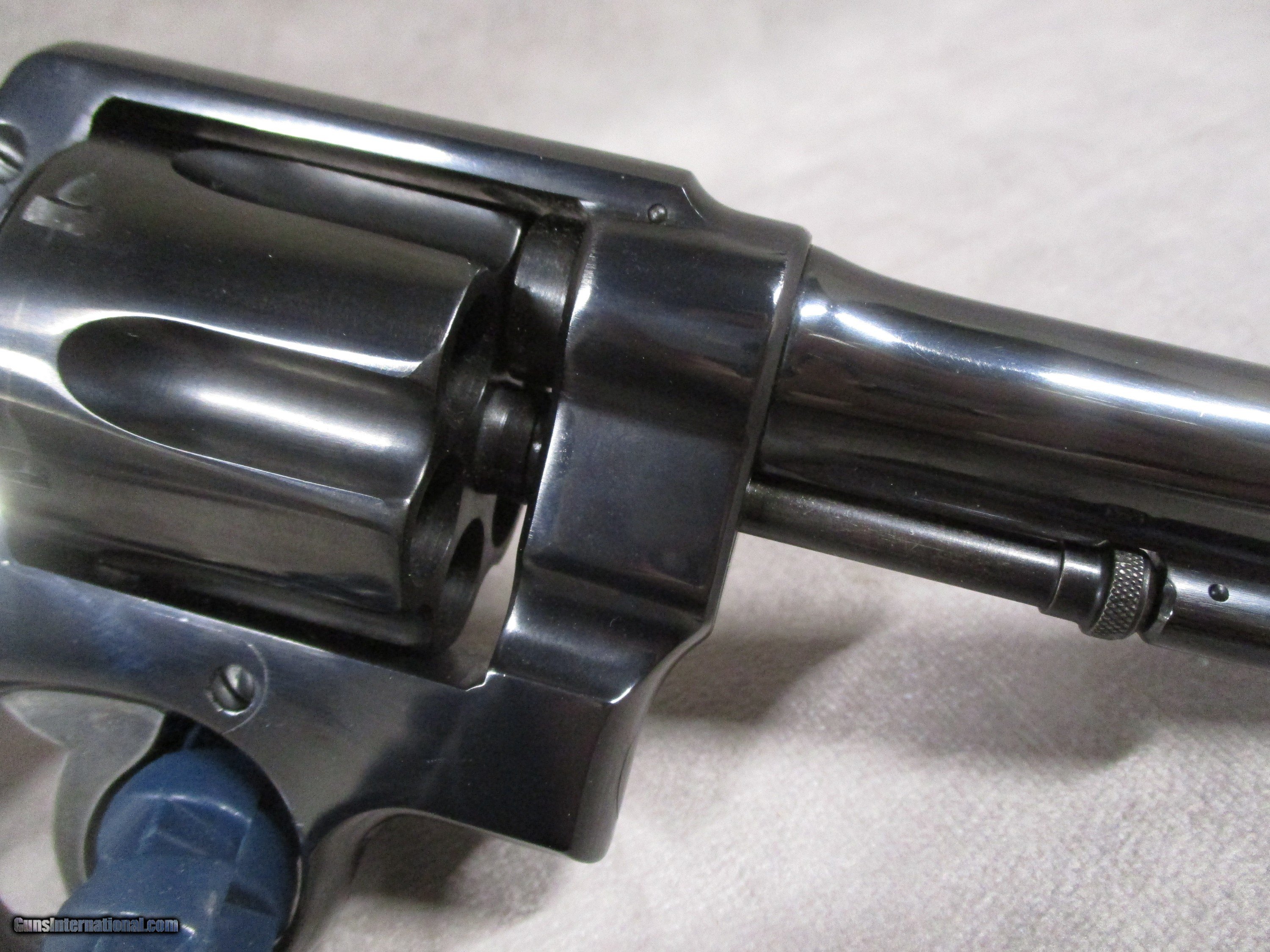
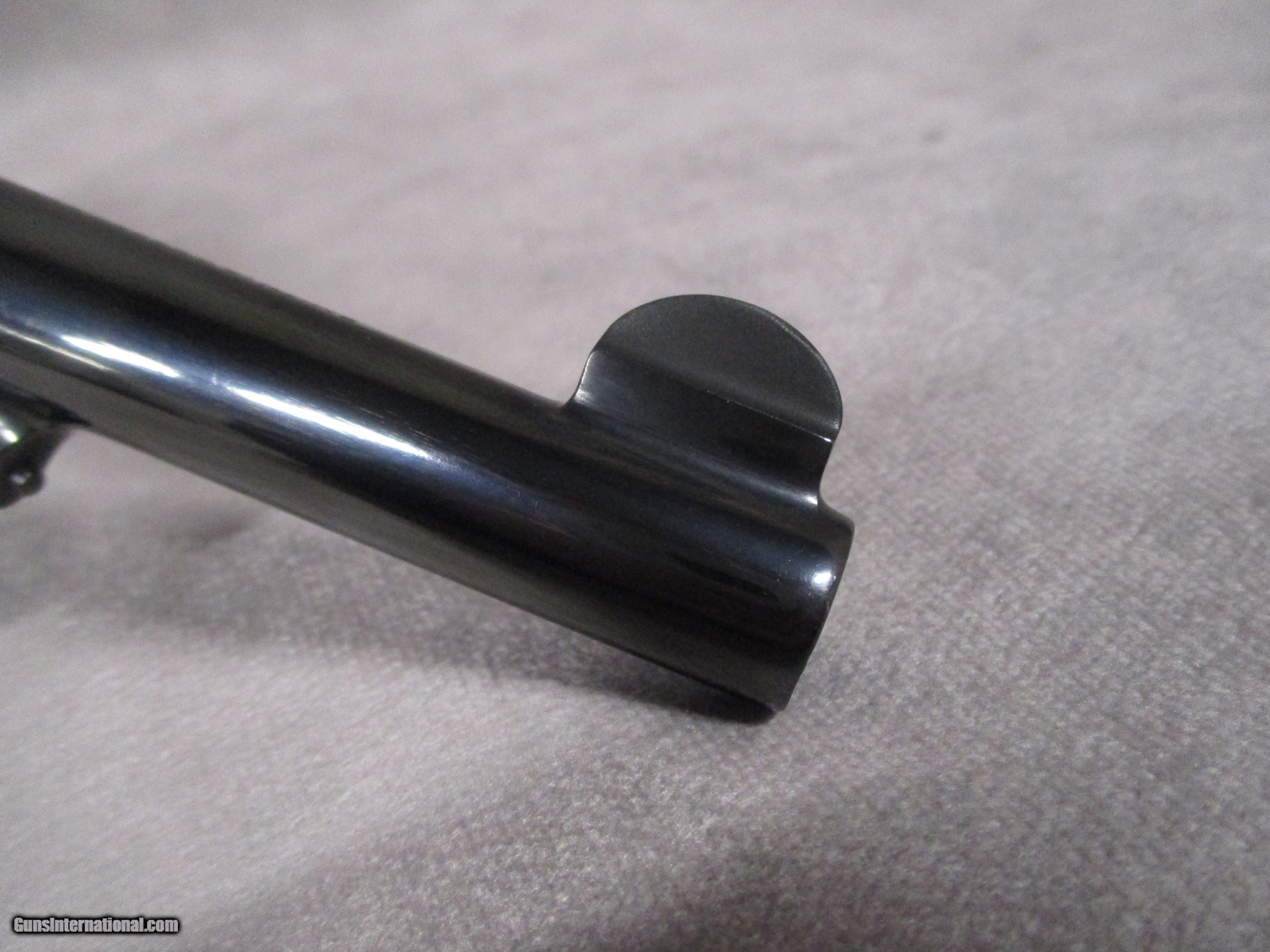
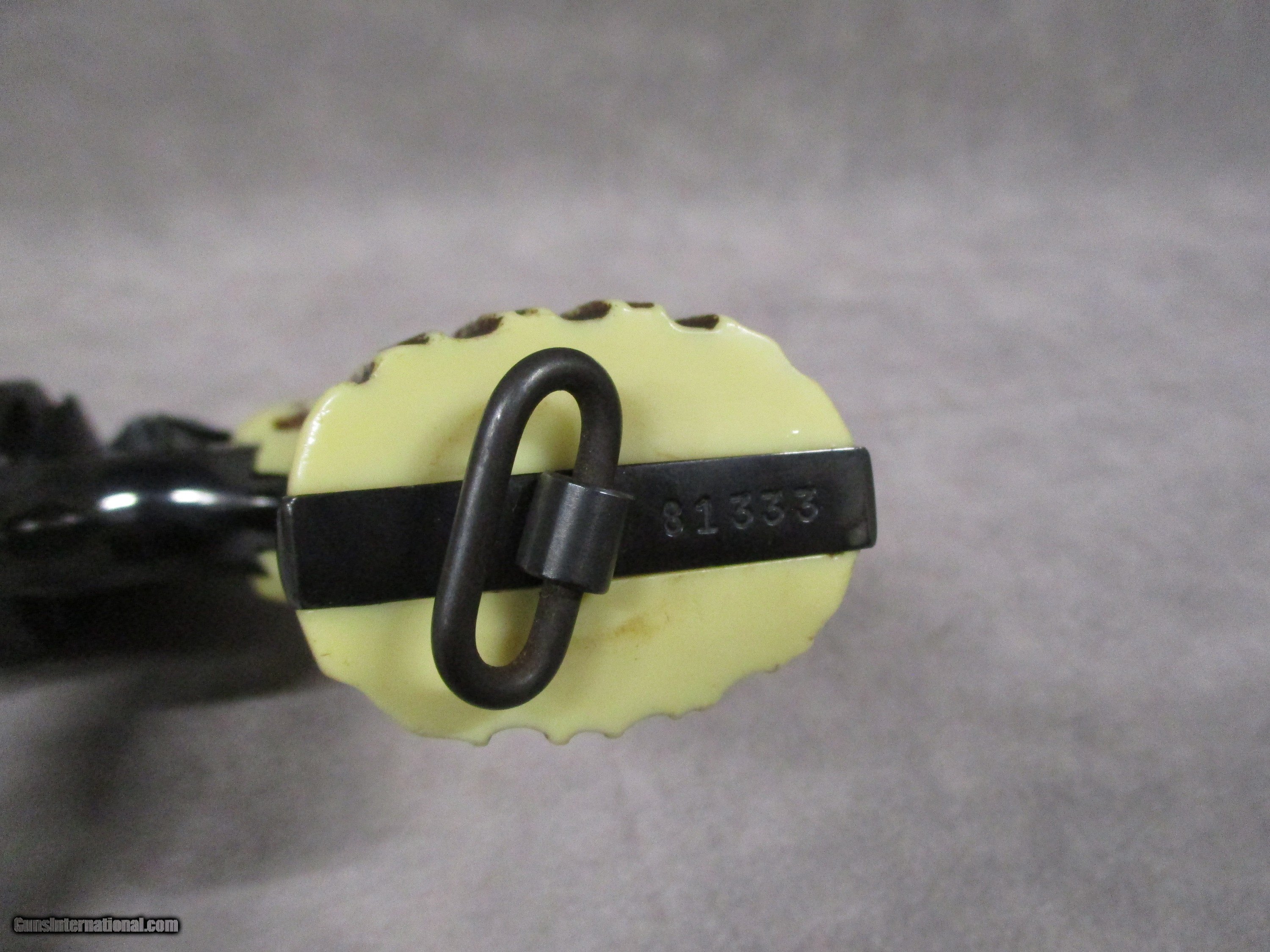
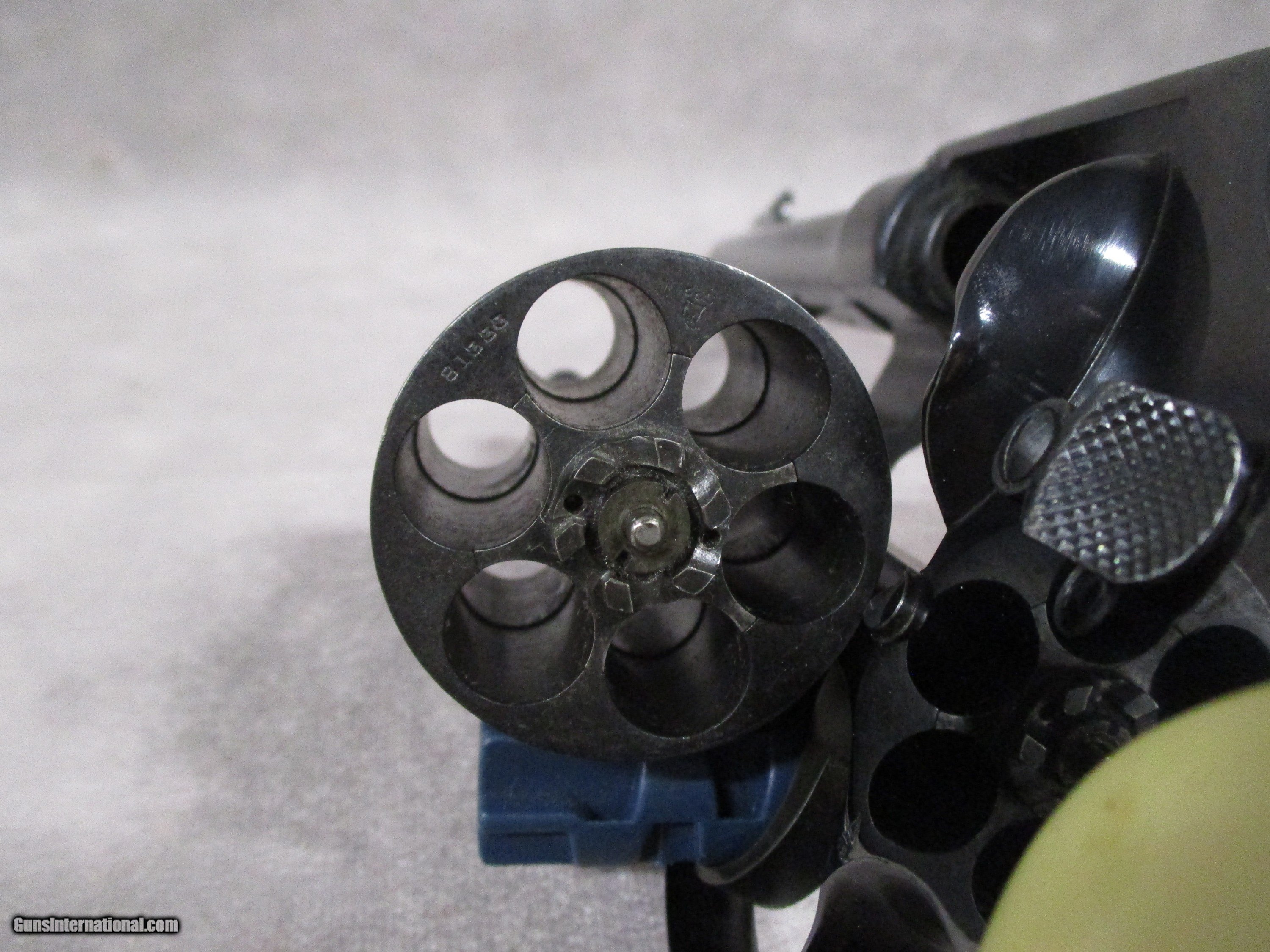
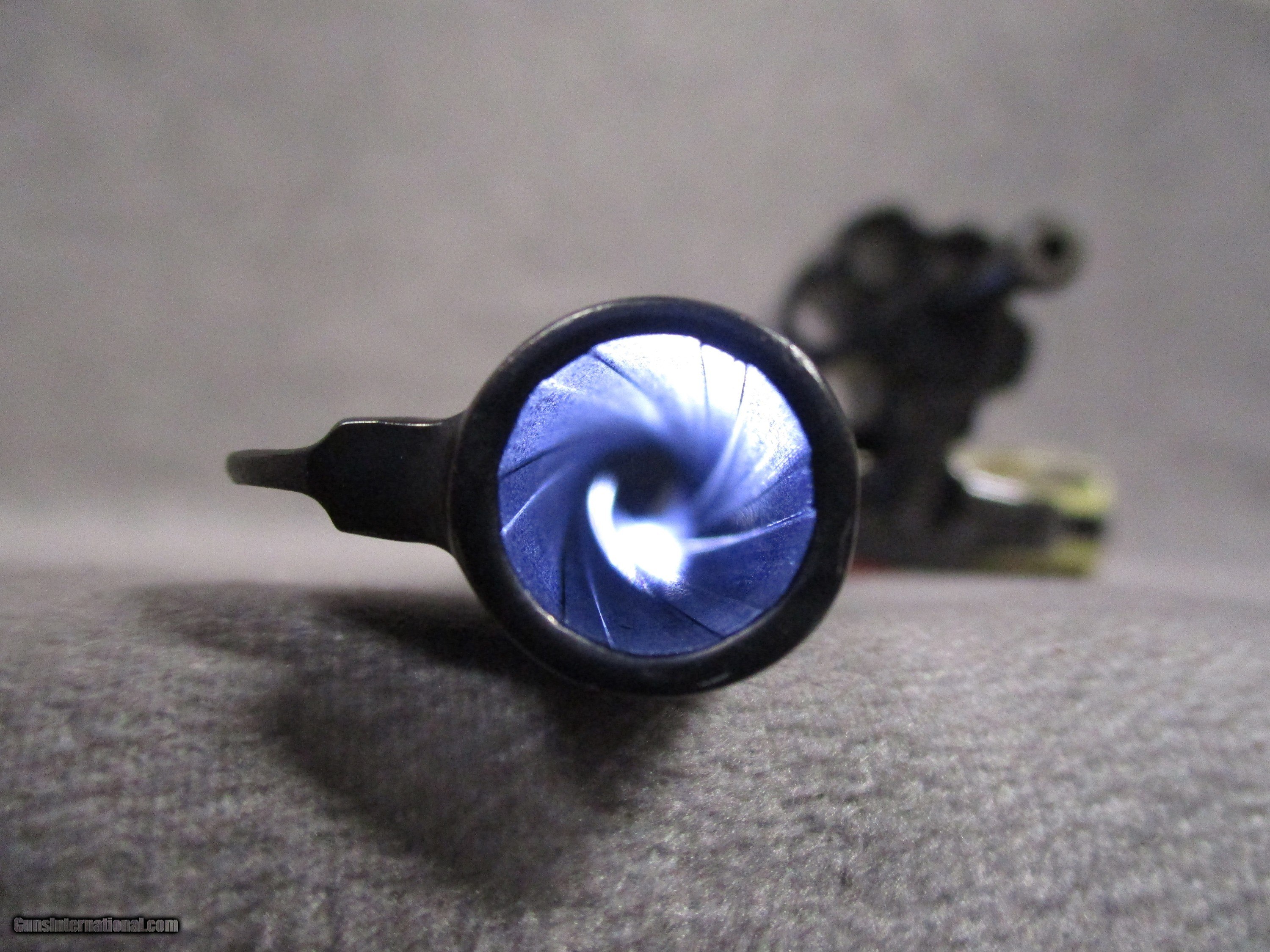
Description: The S&W Model 1917 was, like its Colt counterpart, produced to supplement the 1911 in service for World War I, when production of the famous semi-auto pistol was unable to keep up with demand. Like other nations during the Great War, the leadership of the participating armed forces quickly realized that a pistol was not simply a badge of office for an officer to be issued, but a fighting weapon for use in close combat. Trench warfare essentially guaranteed close-quarters combat (CQC) once the attacker reached the enemy trench line. As such, many countries including the U.S. were scrambling to issue as many pistols to the regular infantry as their firearm industry could produce. Due to the lengthy time needed to produce each Colt 1911, production for the pistol could not keep up with demand. As such, a supplementary weapon made using pre-existing machinery and parts, and chambered in the same caliber (for logistical reasons) was desired. Smith & Wesson had already produced two versions of the New Century revolver for the British Army in .455 Webley caliber as the Mark II Hand Ejector 1st and 2nd Models respectively. Building the same revolver in .45 ACP simply required moving the chamber shoulder forward and cutting the back of the cylinder for use with half-moon clips (full-moon clips came after the war). Thus, the .45 Hand Ejector U.S. Army, Model 1917 was born. As issued, the 1917 utilized three-round half-moon clips. The clips allowed for a speedy reload and helped with extraction as well. As an interesting side note, the Model 1917 will also chamber the .45 Auto Rim which is a rimmed version of the .45 Auto. The Model 1917 shown here is a postwar commercial version built using spare parts left over from the military contract after it was canceled at the end of the war. Production of these commercial models began around 1920, with a few, albeit minor differences from the military version. A good example of this is the side plate, which carries the large S&W logo. The official M1917 revolvers did not feature the S&W manufacturer’s logo. The M1917 is in slightly rough condition, though this is mostly related to the level of finish. Original military contract 1917s had a matte blue finish, but the postwar commercial versions were blued using the same Carbona Bluing that other civilian models received. This involved mounting the pistol in a drum that rotates inside a gas furnace, with a special powder also placed inside the drum. The heat from the furnace spread the fumes coming off the powder into every surface. Since this process was also part of the heat treatment, it could only be performed on a revolver once. Revolvers sent back to the factory for refinishing were given a hot salt bath blue. This is the type of finish our example here has. It is possible this 1917 was refinished by a gunsmith rather than by the S&W factory, however, the polishing performed is so well done that virtually all of the original factory markings remain intact. The only one that exhibits a “wiped” condition is the old “flaming bomb” acceptance mark, something that even the factory likely wouldn’t have worried about too much given that the revolver was destined for civilian sales rather than as a military issue firearm. The eagle head stamp is present on the lower left hand side of the frame, as well as the inside of the fame where the crane rests up against, and on the bottom of the barrel. The barrel stampings are in pristine shape. The overall finish is in superb condition. I would lean more toward this being a factory refinish. The M1917 was very popular with the troops for its ability to utilize the same ammunition as the 1911 and provide the same level of stopping power. Even from a mechanical standpoint, the 1917 was less likely to be affected by mud and dirt compared to any semi-auto pistol, though the 1911 is certainly well-known for its reliability in adverse conditions compared to its European contemporaries. The bore is in excellent shape, though a great deal of fouling is present. It’s remotely possible that some of what is visible is micro-pitting, but there is nothing present that could affect accuracy. The rifling is well defined. Mechanically, the gun is in excellent condition. The double and single-action trigger pulls are smooth for their respective pull weights. The grips are plastic stag-imitation grips. They do not quite fully fit the frame, leaving a small gap on the backstrap and a smaller one of the front strap. Despite being built essentially as a stopgap sidearm, the M1917 proved to be one of the best combat revolvers ever made and was produced on and off until 1946 when production for military contracts ended. The design continued production on the civilian market as the .45 Hand Ejector of Model 1950 until it was renamed the Model 22 in 1957 and was produced under that name until about 1963. Today, the Model 1917 lives on in stainless steel form as the Model 625, showing that demand for a revolver chambered in the .45 ACP has not diminished after even over 100 years later. There is a Smith & Wesson box present, though it is not original to this revolver. It originally belonged to a Model 19 with a 6” barrel, but the M1917 fits in it just fine. SOLD Handgun Caliber: .45 ACP (.45 Auto), .45 Auto Rim Manufacturer: Smith & Wesson Model: Model 1917 Commercial Serial Number: 81333 Bore: 6 grooves, 1 in 14.659 inches (1 in 372.34 mm) RH twist Chambers: 6 Ejectors: Manual, simultaneous 6-round ejection Condition: Good to Excellent Barrels: Carbon Steel Barrel Type: Pinned, Tapering Action: Double-action/single-action revolver Triggers: .265-inch (6.73 mm) smooth combat trigger Finish: Blued (hot salt bath blue) Weight: 2.0 lbs. Sights: Fixed Sights; Sight Radius 6.75 inches (171.45 mm) Manufacture Date: 1920 or later Case: S&W box (not original) |
Guns International #: 102555965
Seller's Inventory #: 2312-0274
Guns International #: 102555965
Seller's Inventory #: 2312-0274


Guns International #: 102555965
Seller's Inventory #: 2312-0274


