

 to Favorites

Guns International #: 103544927 | Seller's Inventory #: M60
1 of 15
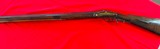
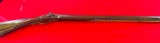
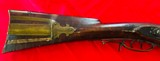
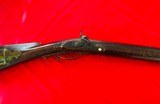
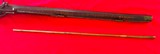
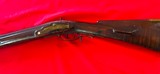
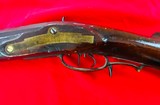
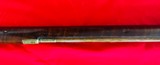
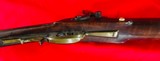
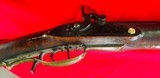
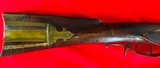
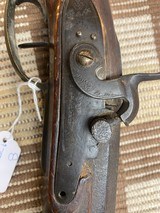
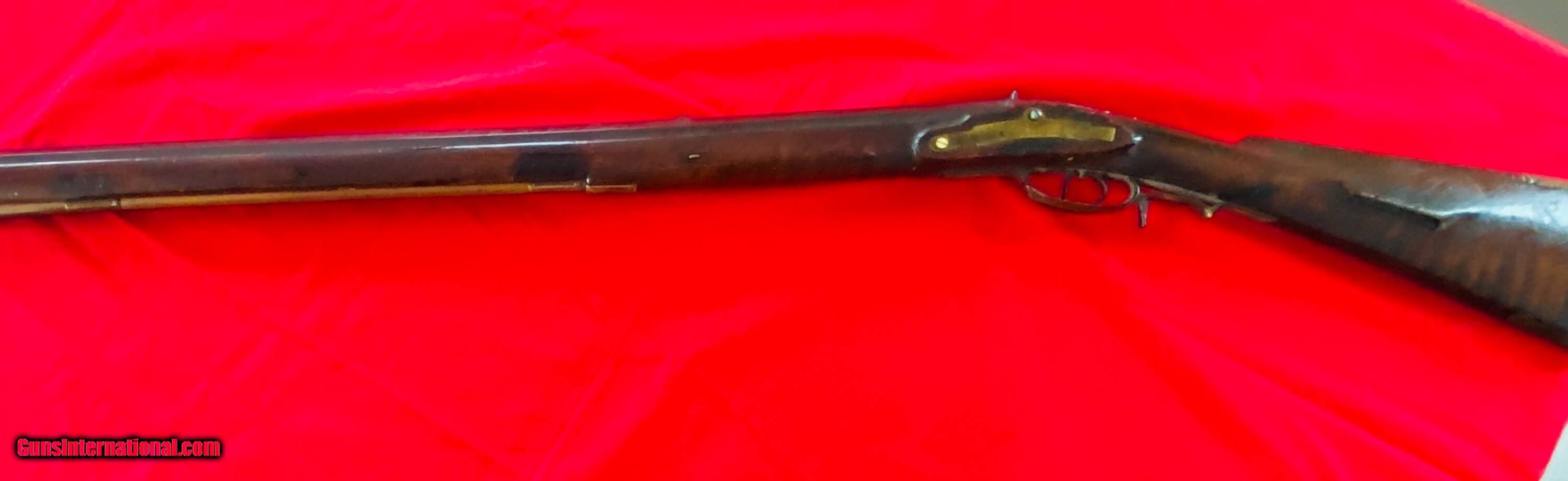
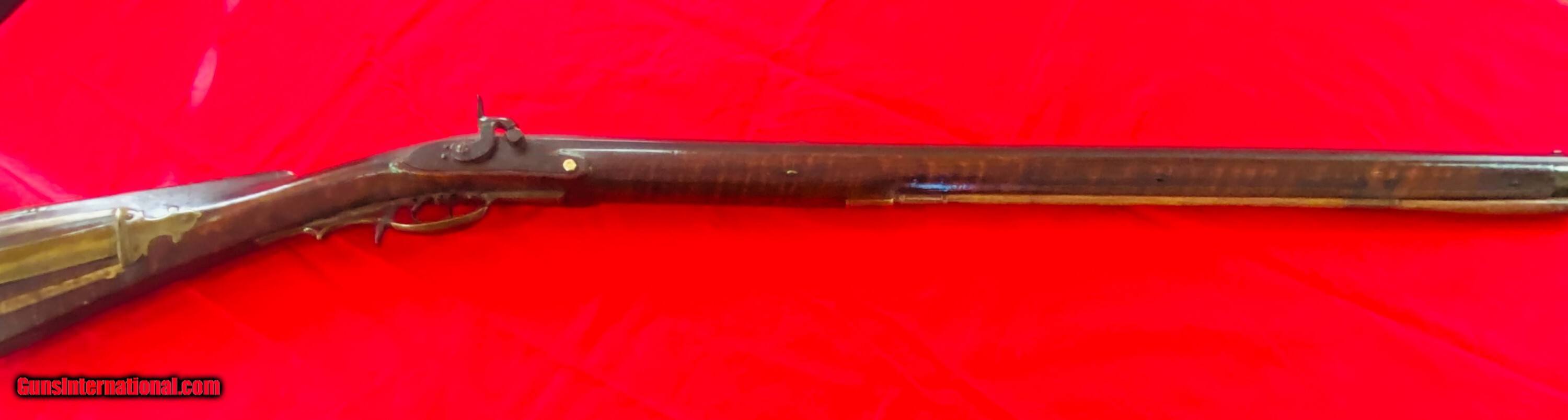
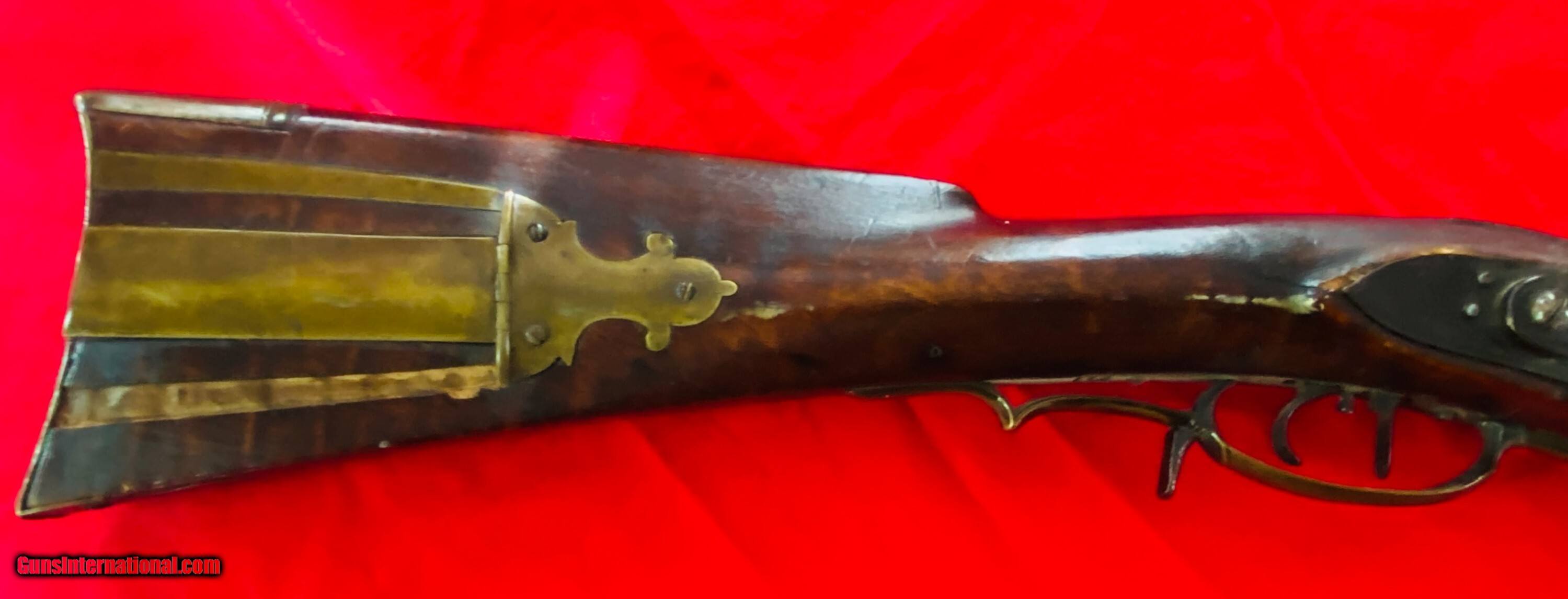
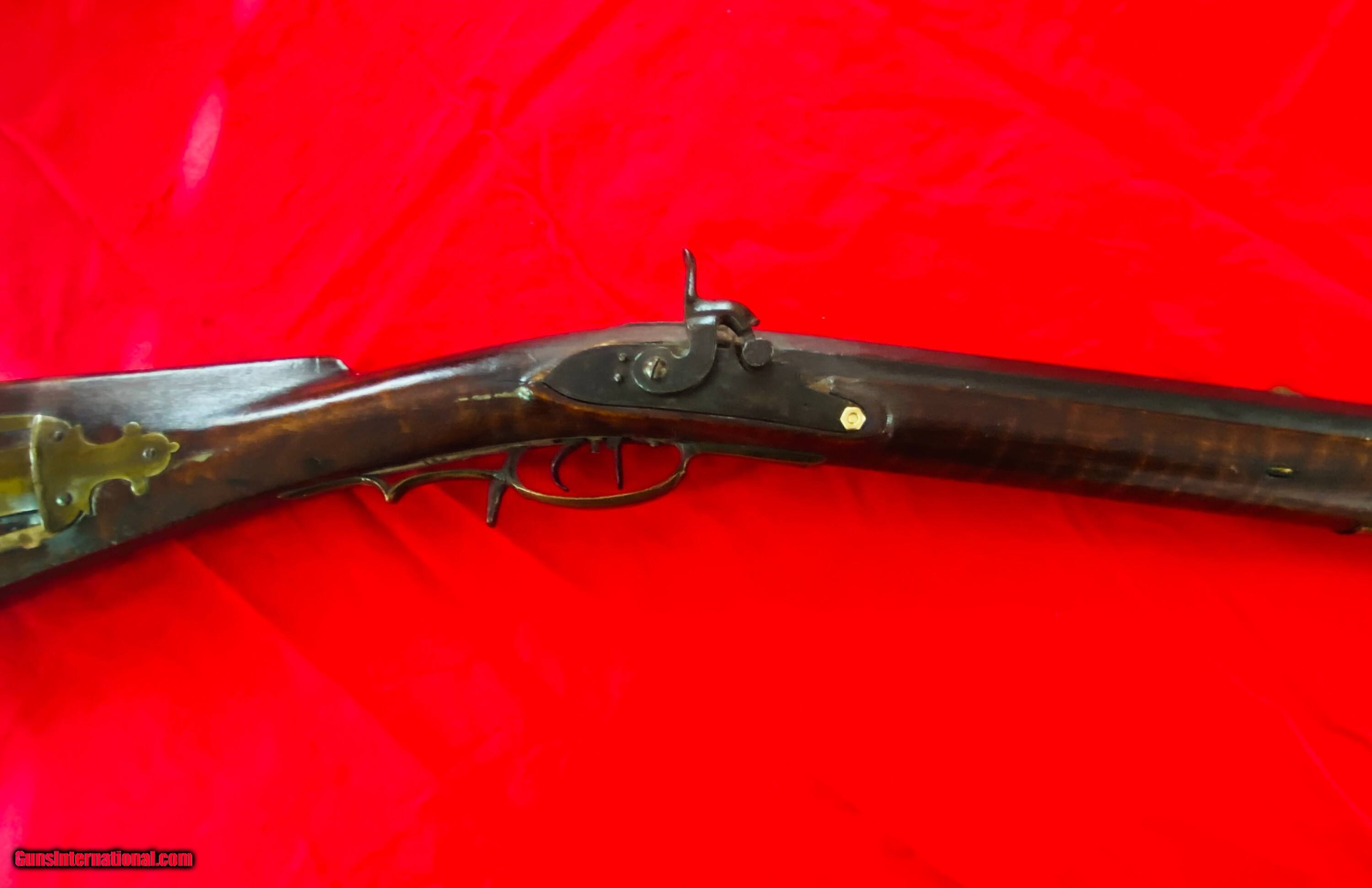
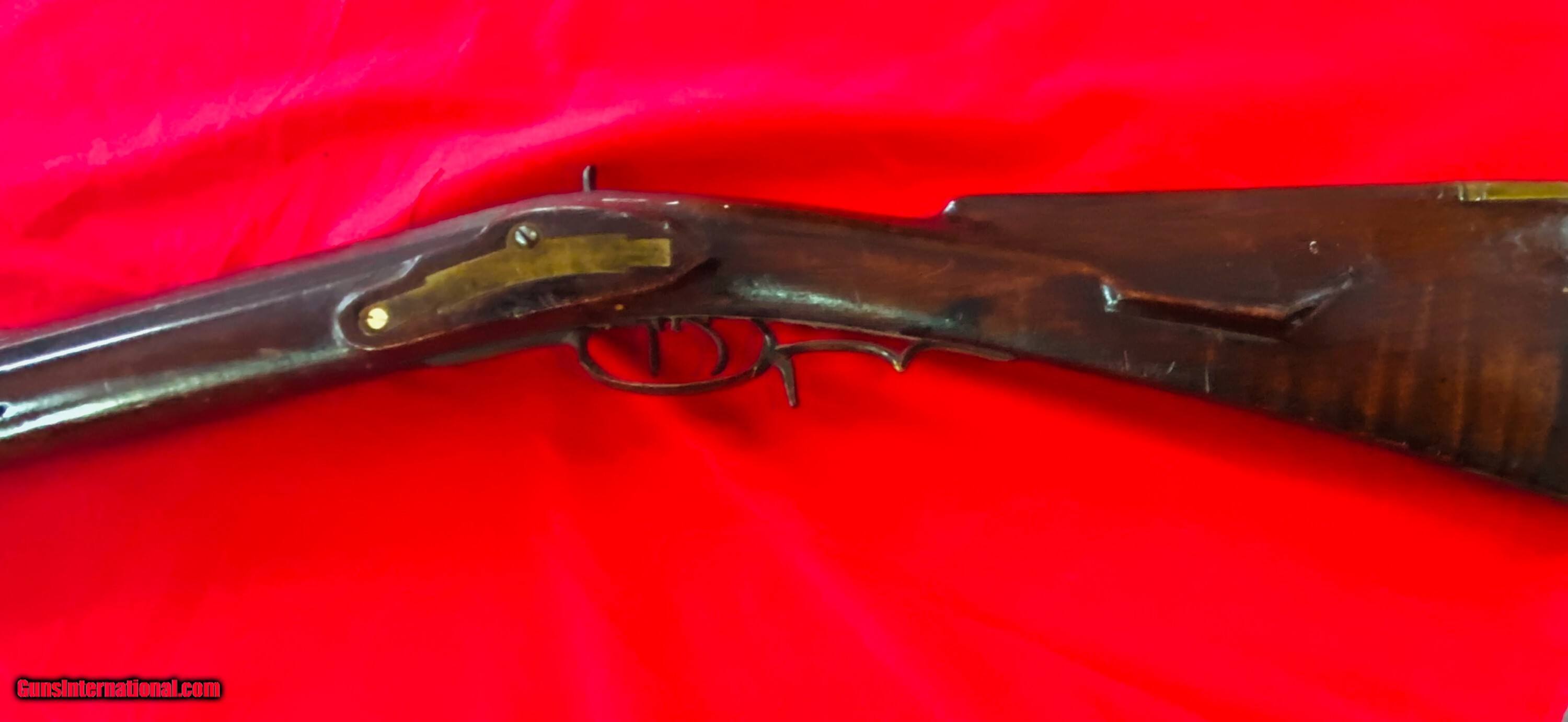
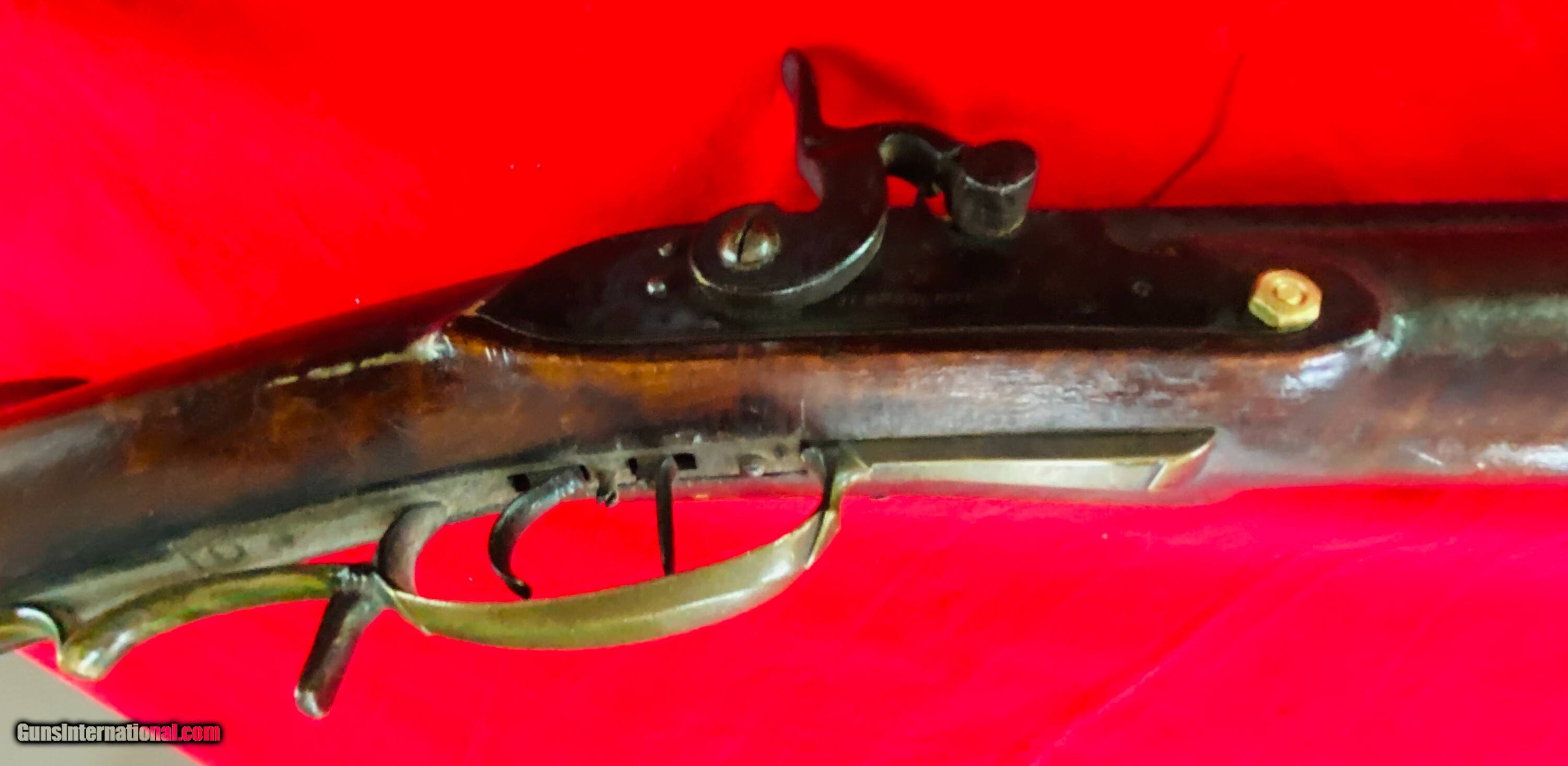
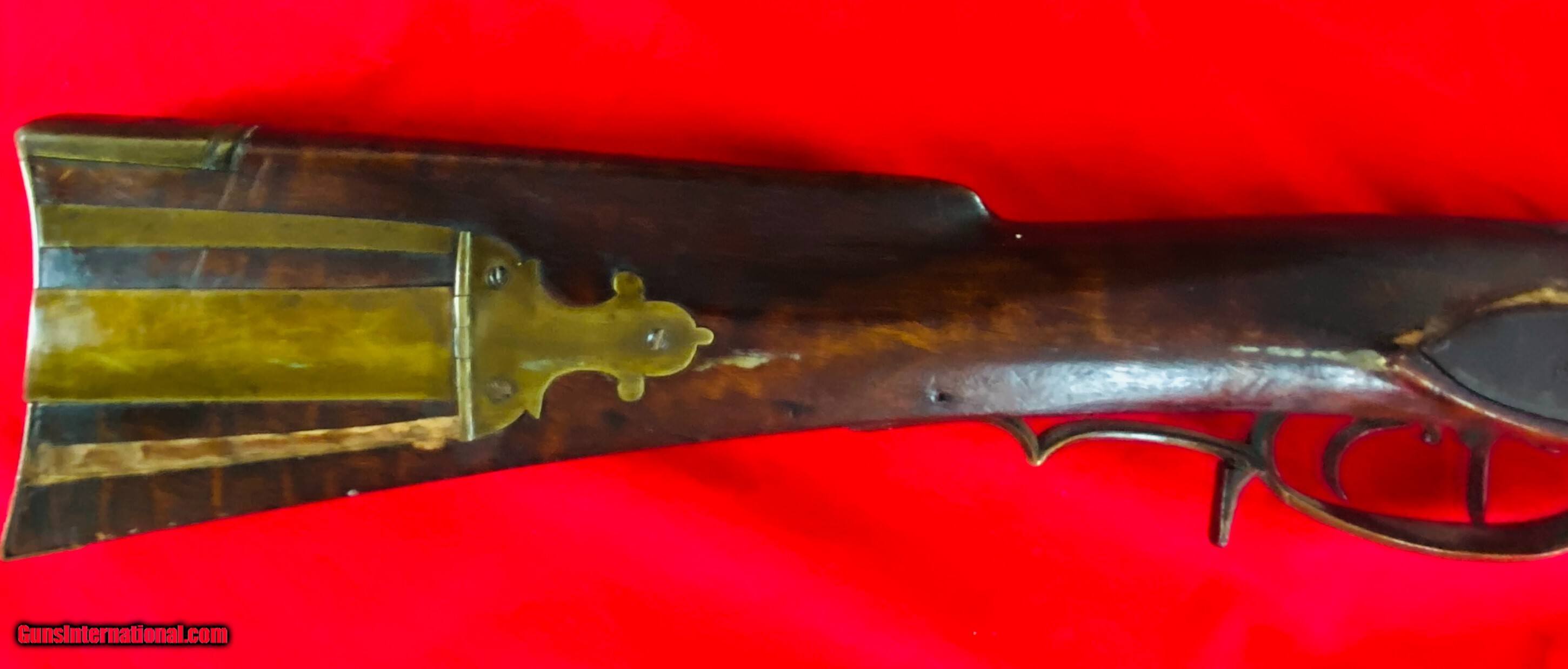
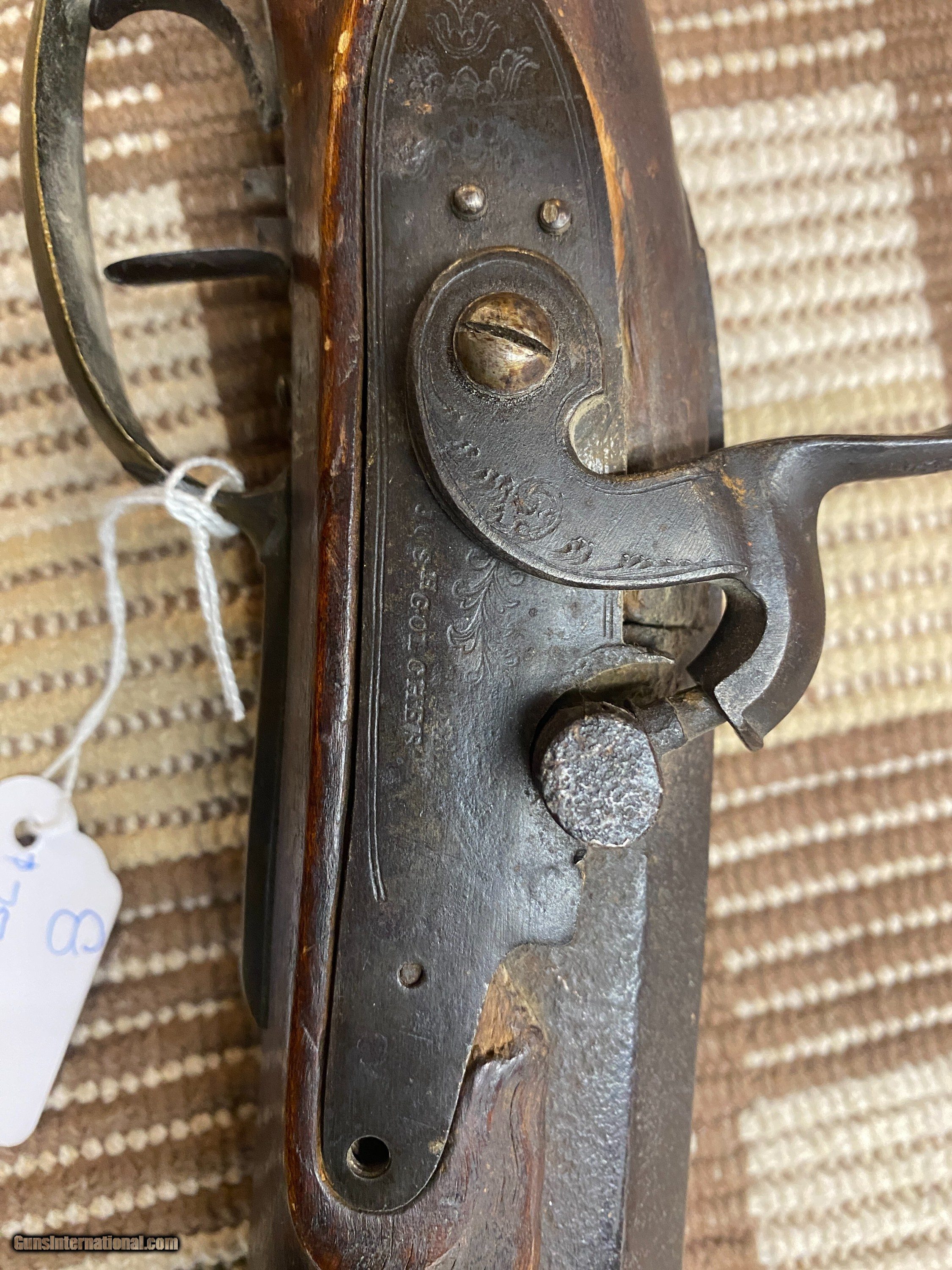
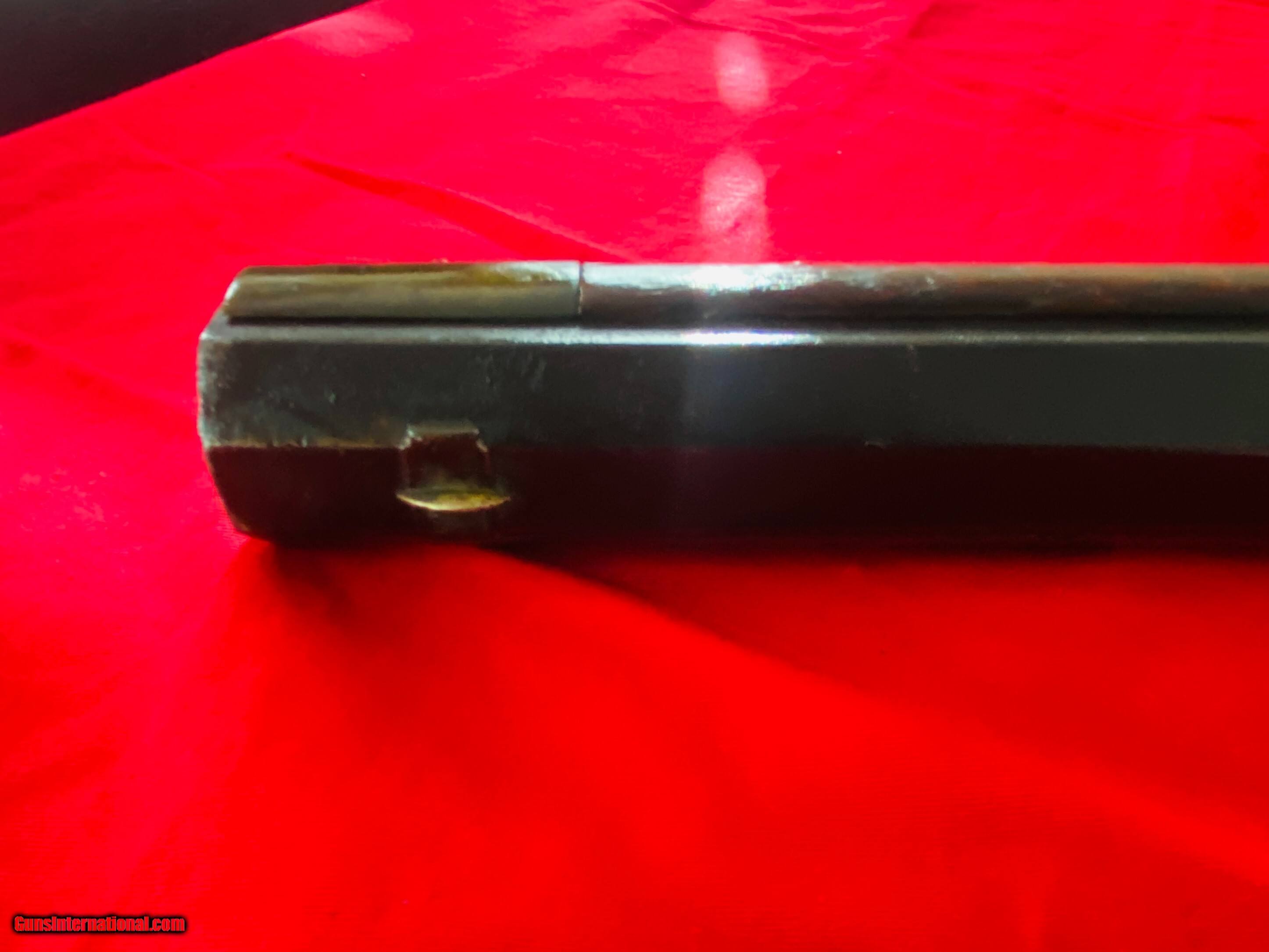
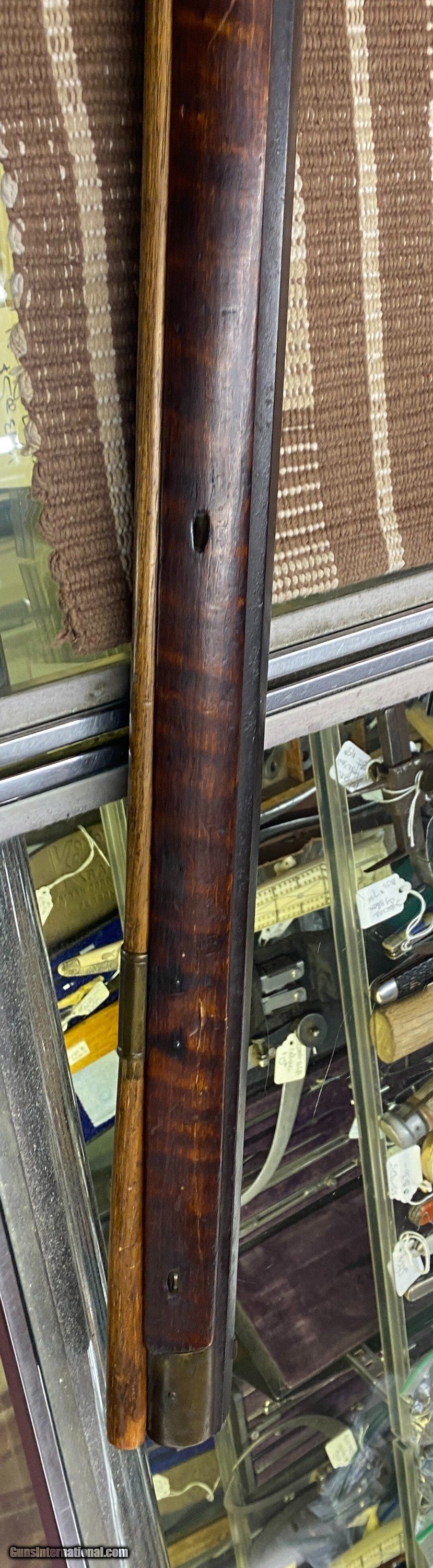
JCSH GOLCHER CAP AND BALL RIFLE. Rare 60 caliber, set trigger, custom sight adjustment custom brass work
Description:
About the Maker. (Postential Civil War Weapon)
A rifle marked for Joseph Golcher (often stamped “J. Golcher” or similar) points to a respected lock maker based in Philadelphia. He didn’t always build entire rifles himself—instead, many independent gunsmiths bought his high-quality locks and incorporated them into custom builds. So your rifle is likely a custom or semi-custom build using a Golcher lock, not necessarily entirely made by him.
What Makes This Rifle Stand Out
Based on your details, this is not a basic hunting rifle—it has features suggesting precision shooting and craftsmanship:
Notable “Advanced” Features for the Time
Several features you listed are genuinely impressive for an 1830–1860 rifle:
This rifle falls right into the late percussion era, just before and during the American Civil War.
However: Used for Hunting large game and possibly militia or private ownership
A mid-19th century American custom percussion (cap-and-ball) target or heavy hunting rifle, built using a Joseph Golcher lock, with advanced accuracy features and high-end decorative work.
JCSH GOLCHER CUSTOM CAP AND BALL RIFLE
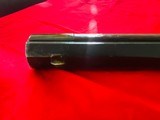
Barrel Length: 34 inches
Overall Length 49.5 inches
Caliber: 60
Weight: 12 lbs 4 oz
Sights: Iron. Note the rear sight was moved back exactily 2.5 inches - set for long range. Interesting
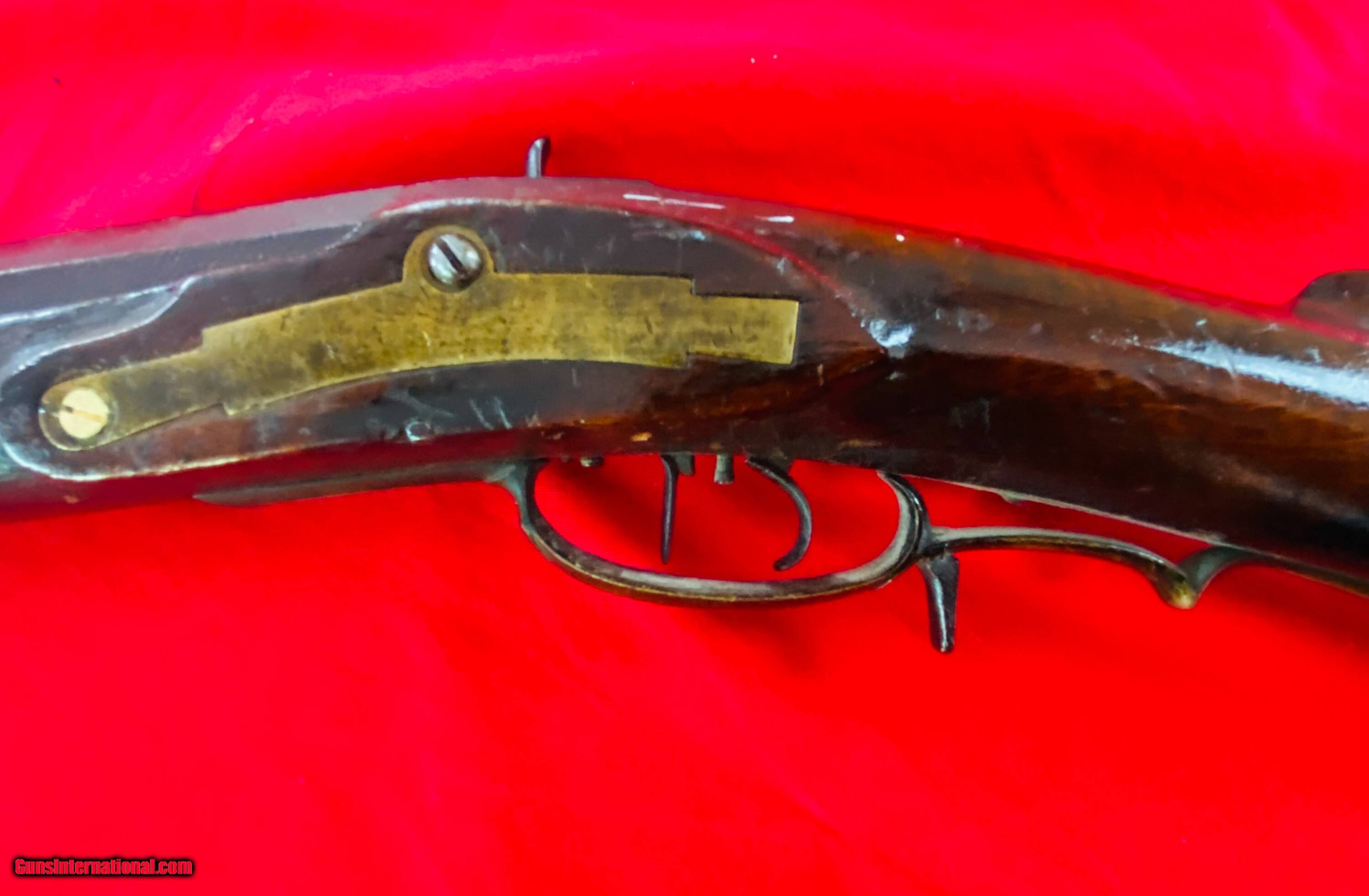
Trigger: Set adjustable (interesting for the time)
Front sight: Brass cusom made insert
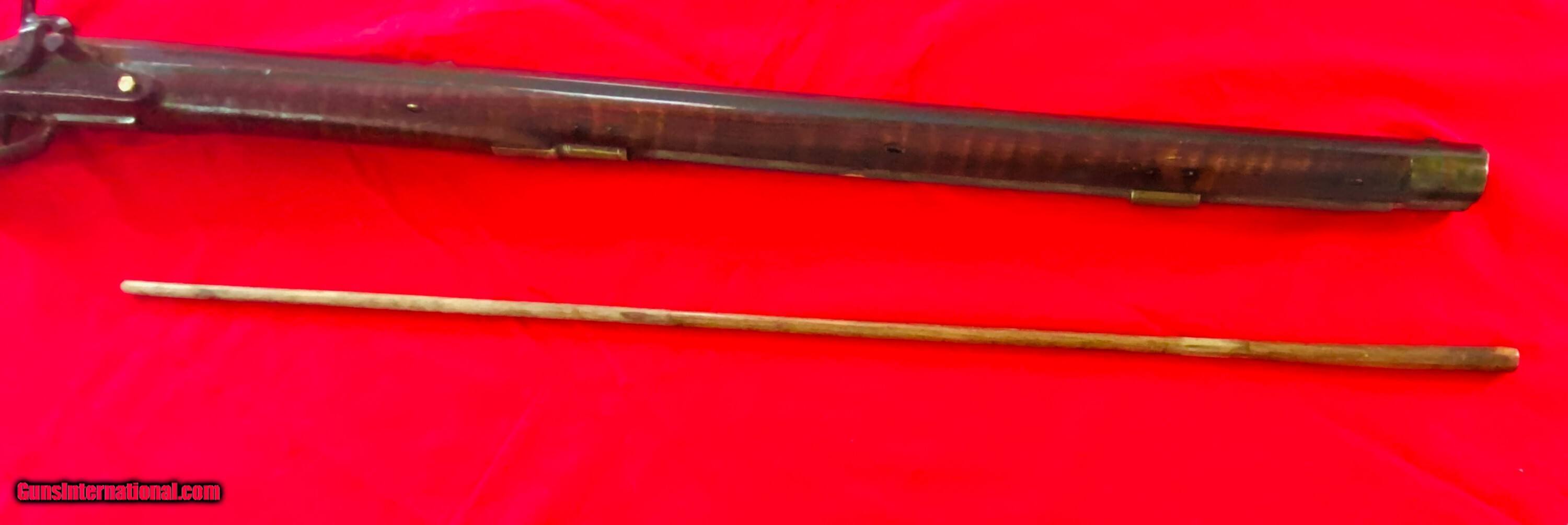
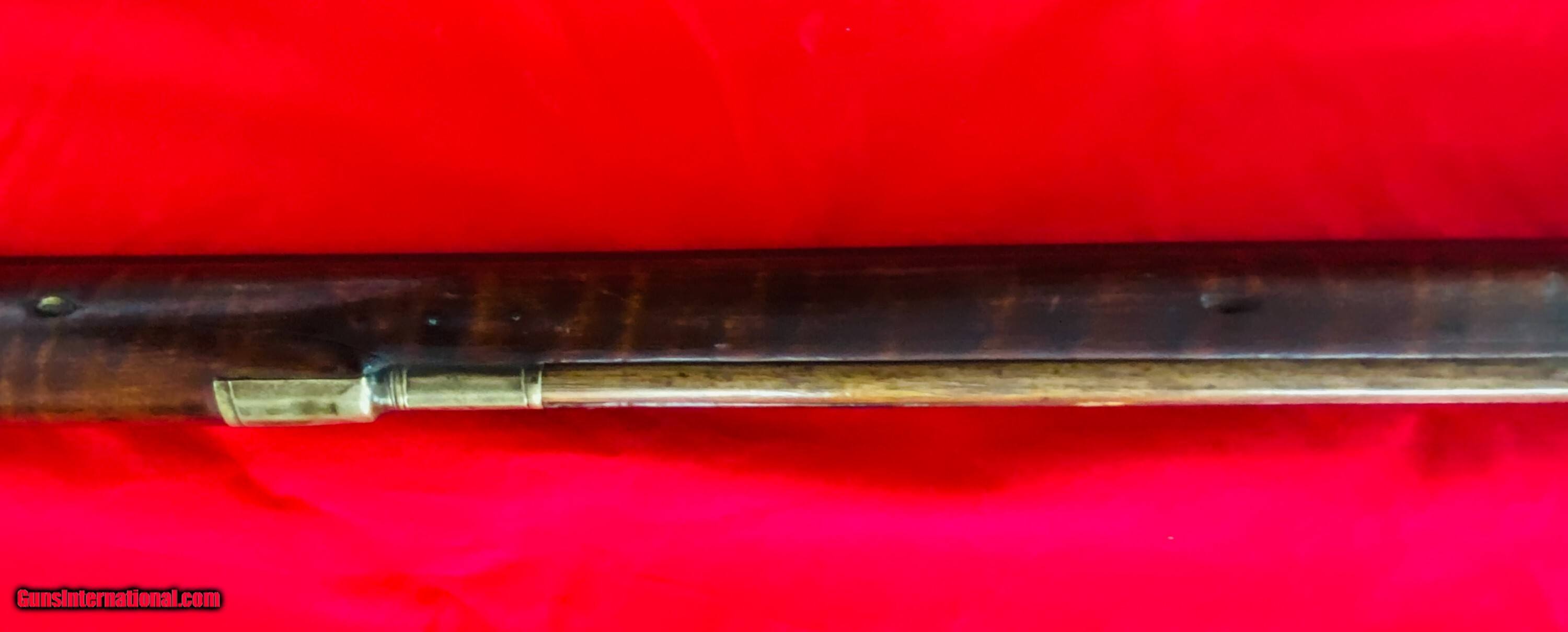
Front of muzzle is shaped brass.
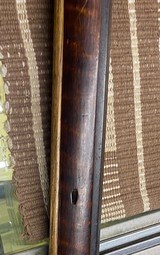
Ramrod: 33 5/8 inches
Years made: 1830-1860 he American Civil War was fought between April 12, 1861, and April 1865
Enhancements:
Top of the trigger is hand checkered
Outisde of on the trigger in scroll hand engraved
Receiver scroll hand encgraved
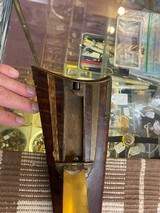
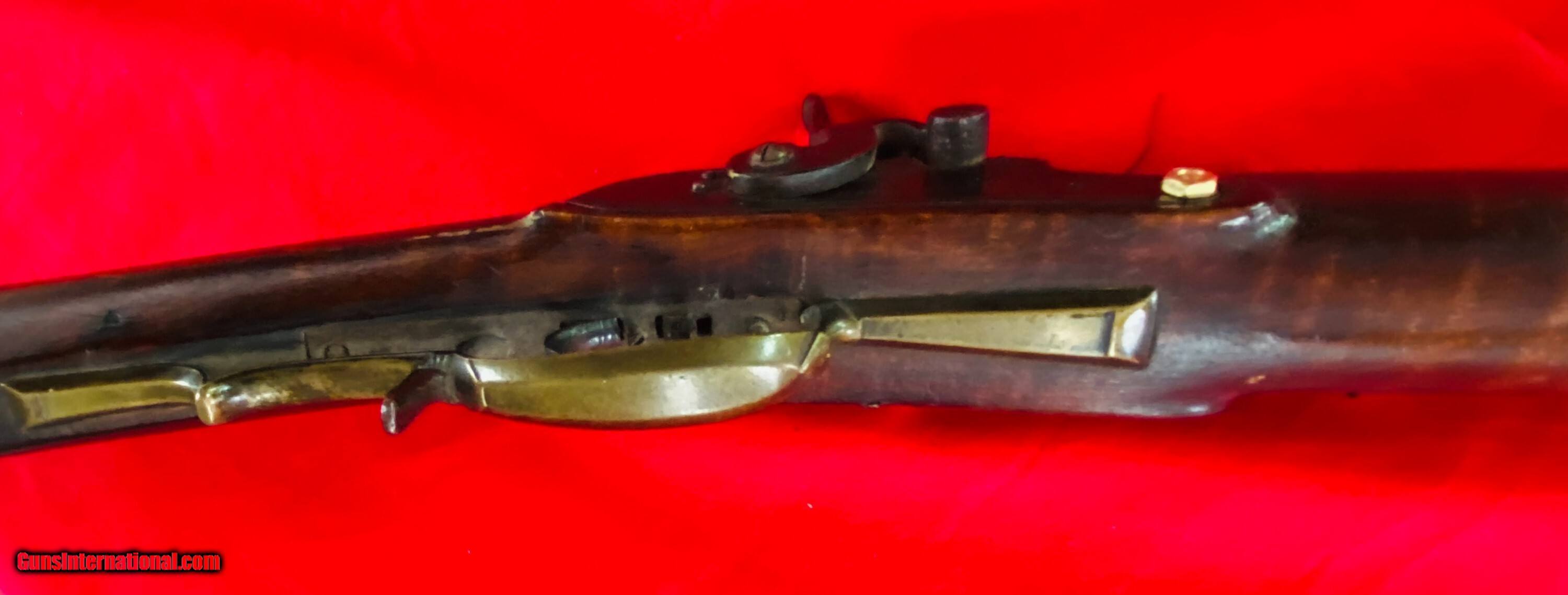
Tigger Guard: Brass and an unusual 9 inches long.
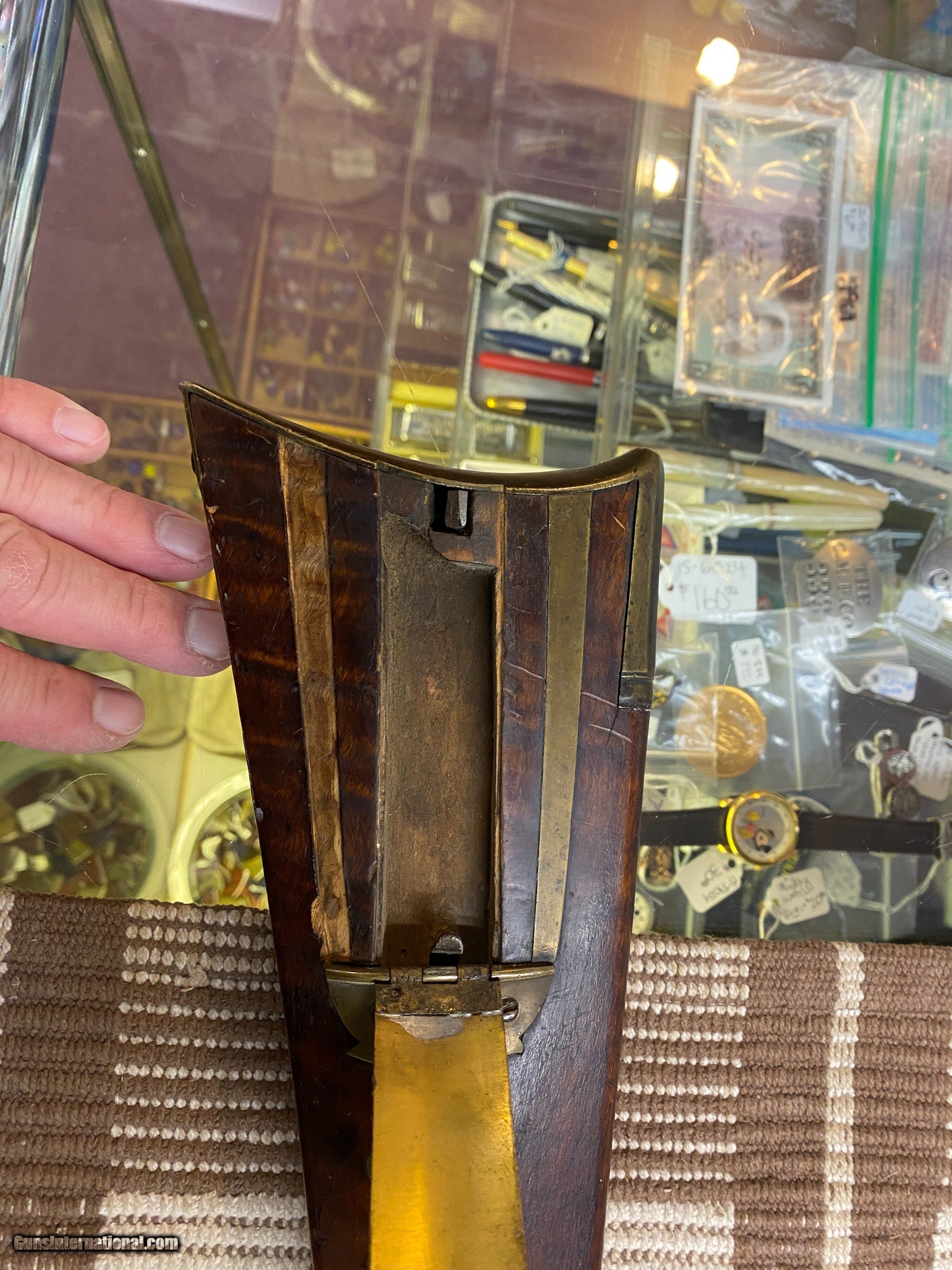
Butt Plate: Brass
Stock inlay: Storage for reloads
Ramrod holder: Brass with custom contours both on the end an on the insert
Stock holding staples are made of brass
A Joseph Golcher (often stamped J. Golcher or G. Goulcher) cap and ball rifle is a 19th-century American percussion firearm. Joseph Golcher was a prominent Philadelphia-based gunmaker and lock manufacturer, active primarily in the 1840s and 1850s, whose locks were frequently used by other gunsmiths of the era.
Key Characteristics and Features:
These rifles were typically produced in the 1840s–1860s and were widely used for hunting, sport, and sometimes military service. The "Goulcher" name became a popular brand, often appearing on quality civilian rifles of the mid-19th century.
Value: Joseph Golcher Percussion Kentucky Rifle (AL7034) Price: $3,995.00
Sales Data for Joseph Golcher Rifles:
Interesting notes:
Other "Golcher" gunmakers mentioned in the period:
This is a custom-built rifle in an exceptionally large caliber, featuring a custom trigger, enhanced sight acquisition, intricate engraving, and finely crafted brass work throughout. This was not a common working firearm—it was commissioned by someone of significant means, someone who wanted performance and presence.
And the question becomes: who was that person?
Who ordered a rifle like this? Where did it travel? What game was taken with it? This piece doesn’t just sit quietly—it invites curiosity, speculation, and admiration.
Despite its age, it shows every indication of being capable of firing today. Craftsmanship of this level was built to last, and examples like this are becoming increasingly scarce. Pieces like this are no longer made—certainly not with this level of individuality and character.
Its value is not just in materials or mechanics, but in rarity, story, and presence. Whether displayed as a striking wall piece, placed in a serious collection, or used as a centerpiece for conversation, it commands attention.
Opportunities to own something this unique don’t come often.
Will you be the next chapter in its story?
Antique: Yes
Rifle Caliber: .600 Overkill
Price: $1,776.00
Shipping: $60.00
Description:
About the Maker. (Postential Civil War Weapon)
A rifle marked for Joseph Golcher (often stamped “J. Golcher” or similar) points to a respected lock maker based in Philadelphia. He didn’t always build entire rifles himself—instead, many independent gunsmiths bought his high-quality locks and incorporated them into custom builds. So your rifle is likely a custom or semi-custom build using a Golcher lock, not necessarily entirely made by him.
What Makes This Rifle Stand Out
Based on your details, this is not a basic hunting rifle—it has features suggesting precision shooting and craftsmanship:
- .60 caliber: Larger than typical long rifles (.40–.54), indicating serious stopping power—possibly for big game or military-style use.
- 34" barrel / 49.5" overall: Balanced for accuracy rather than extreme length (earlier long rifles were often longer).
- Weight (12+ lbs): Quite heavy → helps stability and recoil control for long-range shooting.
Notable “Advanced” Features for the Time
Several features you listed are genuinely impressive for an 1830–1860 rifle:
- Set trigger (adjustable)
→ A precision feature allowing a very light trigger pull—commonly used in target rifles. - Rear sight moved back 2.5 inches
→ This increases sight radius, improving accuracy—suggests intentional long-range tuning. - Custom brass front sight insert & muzzle work
→ Indicates a gunsmith tailoring the rifle to a specific shooter. - Extensive brass furniture (trigger guard, butt plate, ramrod fittings)
→ Both decorative and corrosion-resistant—typical of higher-end rifles. - Hand engraving (trigger, receiver)
→ Confirms it was not mass-produced; this was a craftsman’s piece. - Unusual 9-inch trigger guard
→ Likely stylistic, but could also relate to shooting with gloves or offhand stability. - Stock inlay for reload storage
→ Practical feature—suggests field or sustained shooting use.
This rifle falls right into the late percussion era, just before and during the American Civil War.
However: Used for Hunting large game and possibly militia or private ownership
A mid-19th century American custom percussion (cap-and-ball) target or heavy hunting rifle, built using a Joseph Golcher lock, with advanced accuracy features and high-end decorative work.
JCSH GOLCHER CUSTOM CAP AND BALL RIFLE
Barrel Length: 34 inches
Overall Length 49.5 inches
Caliber: 60
Weight: 12 lbs 4 oz
Sights: Iron. Note the rear sight was moved back exactily 2.5 inches - set for long range. Interesting
Trigger: Set adjustable (interesting for the time)
Front sight: Brass cusom made insert
Front of muzzle is shaped brass.
Ramrod: 33 5/8 inches
Years made: 1830-1860 he American Civil War was fought between April 12, 1861, and April 1865
Enhancements:
Top of the trigger is hand checkered
Outisde of on the trigger in scroll hand engraved
Receiver scroll hand encgraved
Tigger Guard: Brass and an unusual 9 inches long.
Butt Plate: Brass
Stock inlay: Storage for reloads
Ramrod holder: Brass with custom contours both on the end an on the insert
Stock holding staples are made of brass
A Joseph Golcher (often stamped J. Golcher or G. Goulcher) cap and ball rifle is a 19th-century American percussion firearm. Joseph Golcher was a prominent Philadelphia-based gunmaker and lock manufacturer, active primarily in the 1840s and 1850s, whose locks were frequently used by other gunsmiths of the era.
Key Characteristics and Features:
- Lock Mechanism: These rifles often feature a "Joseph Golcher" branded lock, which was a high-quality commercial product popular at the time.
- Barrel and Stock: Commonly built as full-stock percussion "Kentucky" or "Pennsylvania" style rifles, often featuring maple or walnut stocks. Barrel lengths are often long, with examples featuring 34-inch to 37-inch octagonal barrels.
- Caliber: They were manufactured in various smaller calibers, including .32, .34, and .36, typically used for hunting or target shooting.
- Decoration: Many models were fitted with brass hardware, including deep crescent butt plates, pierced patch boxes, and sometimes German silver inlays.
- Origin: The locks were manufactured in Philadelphia, but the rifles themselves were often assembled by gunsmiths in the Eastern US, such as Pennsylvania or New York.
These rifles were typically produced in the 1840s–1860s and were widely used for hunting, sport, and sometimes military service. The "Goulcher" name became a popular brand, often appearing on quality civilian rifles of the mid-19th century.
Value: Joseph Golcher Percussion Kentucky Rifle (AL7034) Price: $3,995.00
Sales Data for Joseph Golcher Rifles:
- $4,000 (2023): A fine relief-carved and silver-inlaid Joseph Golcher percussion rifle sold significantly above its estimate.
- $1,560 (2016): A Joseph Ax/Golcher marked Kentucky long rifle with a double set trigger and .36 caliber sold for this amount.
- $1,250 - $1,500 (Estimated): A circa 1850 Joseph Golcher heavy full stock percussion rifle (approx. 50 caliber) with set triggers was
- Set Triggers: Double set triggers are common on these rifles and add to their functionality and value.
- Condition: Many of these rifles are from the mid-1800s; those with original finishes, minimal wood damage, and working actions sell for higher prices.
- Lock Markings: "Joseph Golcher" marked locks are highly desirable, often featuring engraved hunting scenes.
Interesting notes:
Other "Golcher" gunmakers mentioned in the period:
- James Golcher (d. 1805): Made a gun for George Washington, active 1755–1774.
- James Golcher of Philadelphia: Opened the "Eagle Gun Works" in the 1830s.
- William Golcher: Son of Joseph, known for making plains rifles.
This is a custom-built rifle in an exceptionally large caliber, featuring a custom trigger, enhanced sight acquisition, intricate engraving, and finely crafted brass work throughout. This was not a common working firearm—it was commissioned by someone of significant means, someone who wanted performance and presence.
And the question becomes: who was that person?
Who ordered a rifle like this? Where did it travel? What game was taken with it? This piece doesn’t just sit quietly—it invites curiosity, speculation, and admiration.
Despite its age, it shows every indication of being capable of firing today. Craftsmanship of this level was built to last, and examples like this are becoming increasingly scarce. Pieces like this are no longer made—certainly not with this level of individuality and character.
Its value is not just in materials or mechanics, but in rarity, story, and presence. Whether displayed as a striking wall piece, placed in a serious collection, or used as a centerpiece for conversation, it commands attention.
Opportunities to own something this unique don’t come often.
Will you be the next chapter in its story?
Antique: Yes
Rifle Caliber: .600 Overkill
Price: $1,776.00
Shipping: $60.00
Guns International Advertising Policy
GunsInternational.com is the #1 Gun Classified website that brings gun buyers and gun brokers or sellers together through classified advertising of guns, gun related items and services for sale online. If you are looking to buy guns online or sell guns online, you have come to the right place. GunsInternational.com gun classifieds currently have over 200,000 guns for sale online by numerous dealers and collectors alike. Guns International makes no representation or warranty as to the accuracy of the information contained in the gun classifieds, gun parts or gun services classifieds listings. Buyers and sellers are required to know and comply with all applicable local, state, federal and international firearm laws.
GunsInternational.com is the #1 Gun Classified website that brings gun buyers and gun brokers or sellers together through classified advertising of guns, gun related items and services for sale online. If you are looking to buy guns online or sell guns online, you have come to the right place. GunsInternational.com gun classifieds currently have over 200,000 guns for sale online by numerous dealers and collectors alike. Guns International makes no representation or warranty as to the accuracy of the information contained in the gun classifieds, gun parts or gun services classifieds listings. Buyers and sellers are required to know and comply with all applicable local, state, federal and international firearm laws.

©2006 - 2026 all rights reserved. | Guns International.com | V4.1 ww2


Privacy Policy
User Agreement
FAQs
Contact Us
Careers
©2006 - 2026 all rights reserved.
Guns International.com | V4.1 ww2
Guns International.com | V4.1 ww2