 to Favorites
1 of 11
2 of 11
3 of 11
4 of 11
5 of 11
6 of 11
7 of 11
8 of 11
9 of 11
10 of 11
11 of 11
 The server has not detected any activity for the last 3 hours.
For your security, your session will expire in 2 minutes and you will be redirected to the Sign In page.
Would you like to stay signed in?
The server has not detected any activity for the last 3 hours.
For your security, your session will expire in 2 minutes and you will be redirected to the Sign In page.
Would you like to stay signed in?


Guns International #: 101735571

|
Click Photo to Enlarge
|
Guns International #: 101735571
Category - Antique Rifles - Flintlock
- Antique Rifles - 1500-1850
Seller's Information
When emailing or calling sellers direct,
please mention that you saw their listing on GunsInternational.com
Seller: A & A Gaines Antiques
Member Since: 11/2/08
State:
Rhode Island
Zip: 02840
Country: United States
Phone:
(401) 846-0538
Active Listings: 0
Total Listings: 66
Seller Type: Private Seller
Return Policy: 3 day inspection and return policy on used guns and accessories.
3 days Payment Methods: USPS Postal Money Order or Bank Check
Exceptional Dutch Colonial Long Fowling Gun - Six Foot Two Inches - Period 1740 - 1780
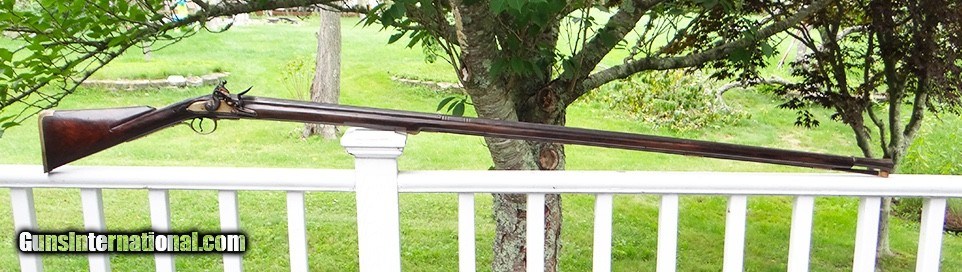
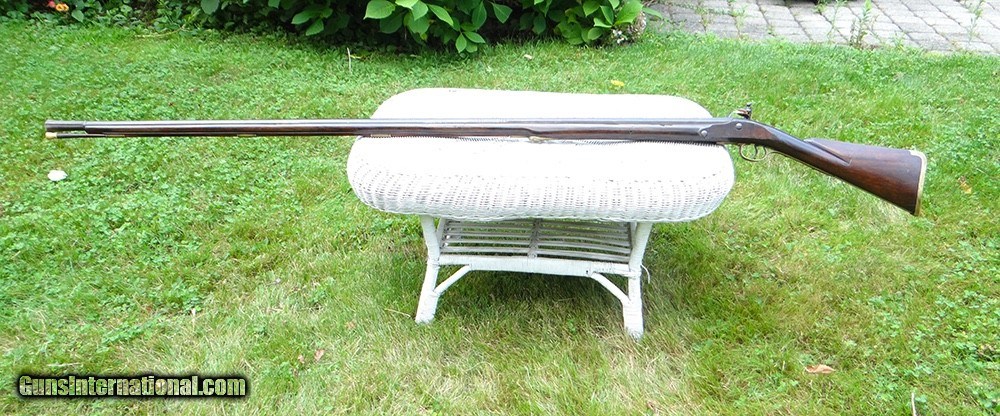
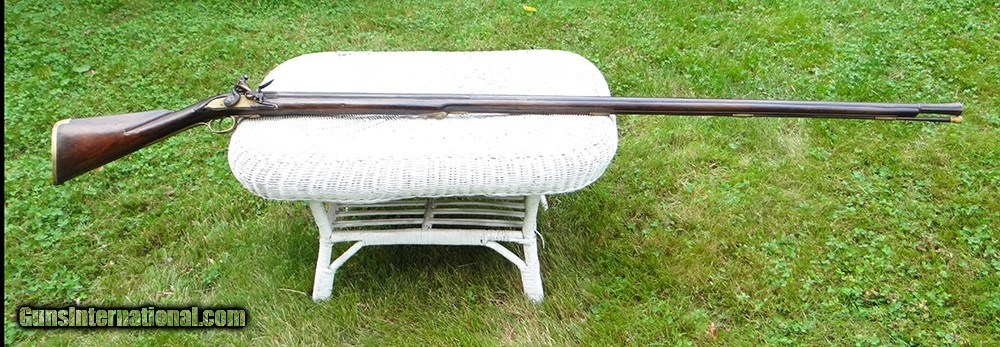
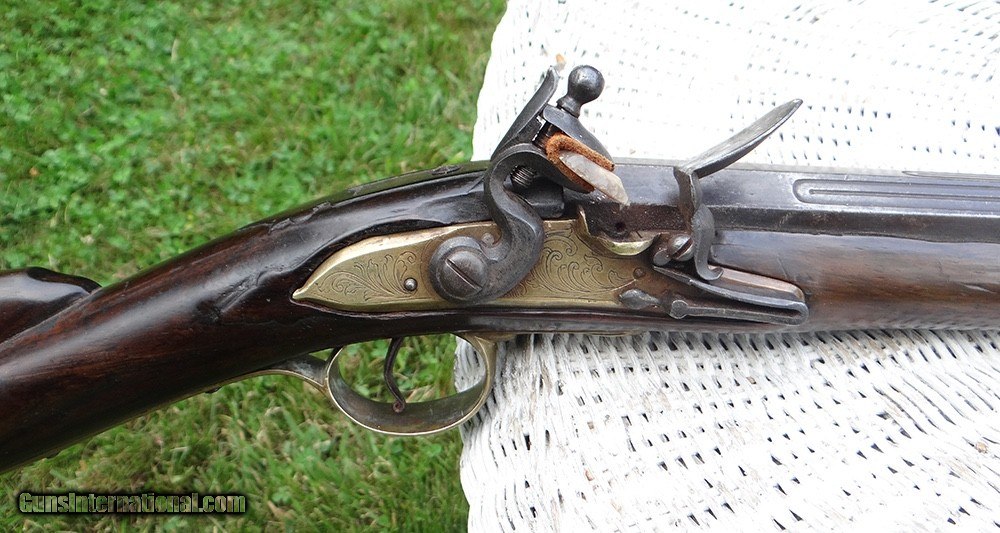
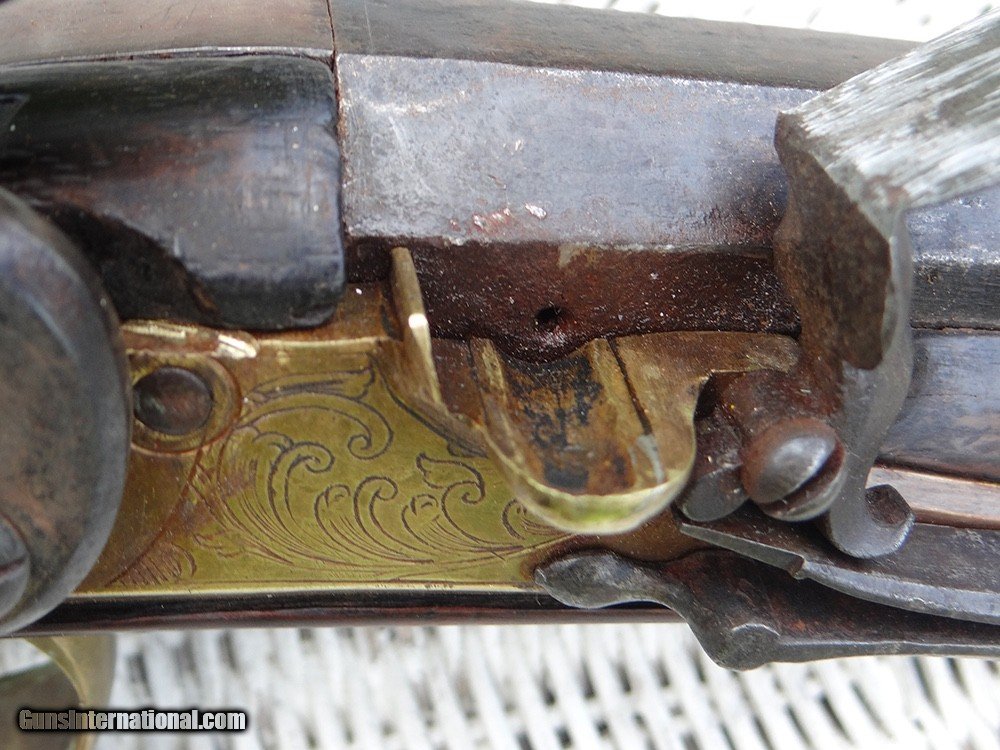
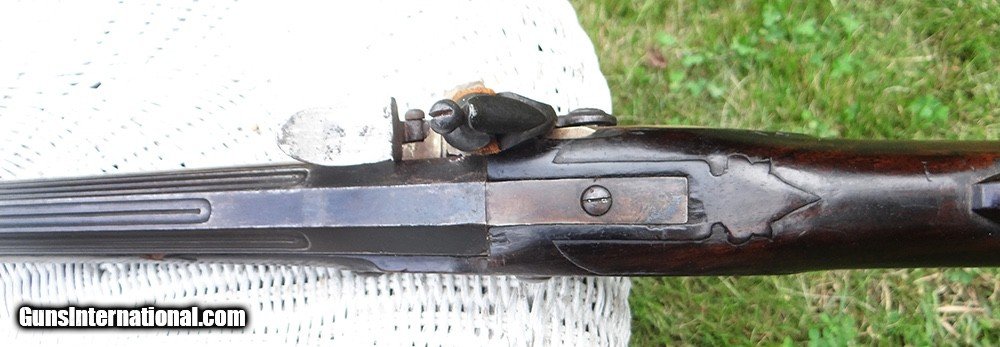
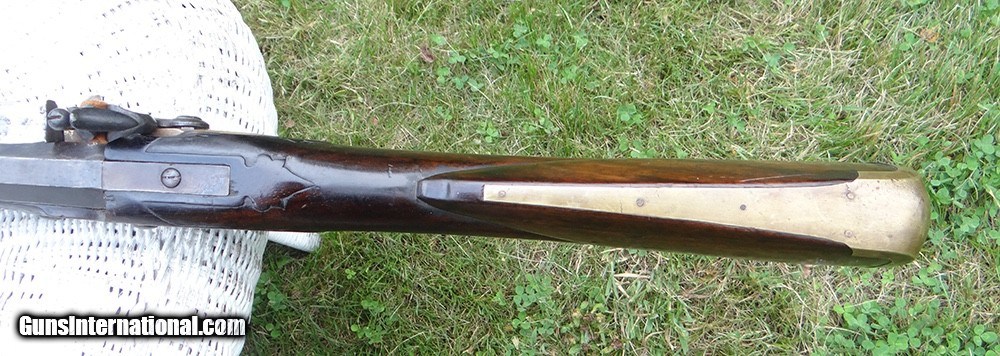
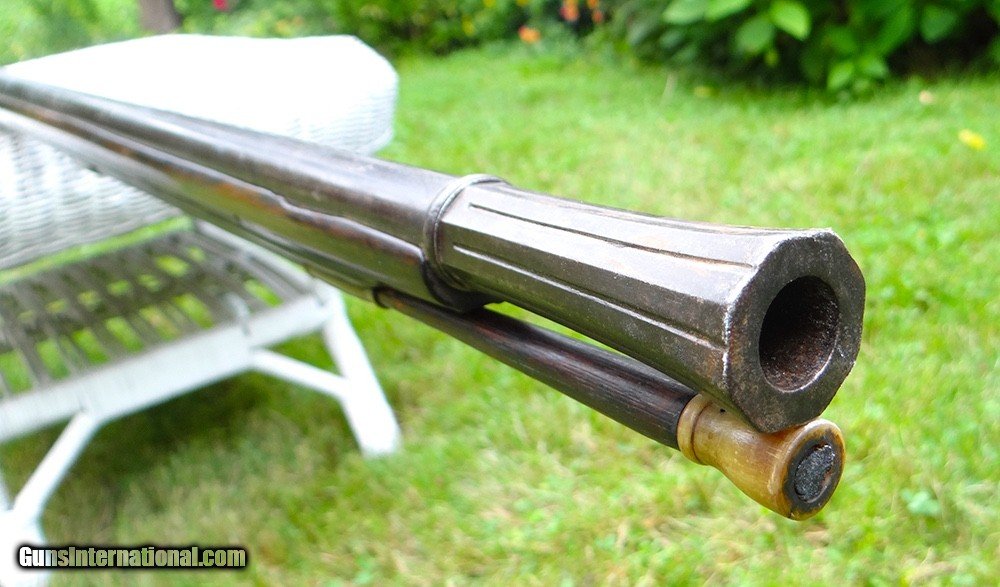
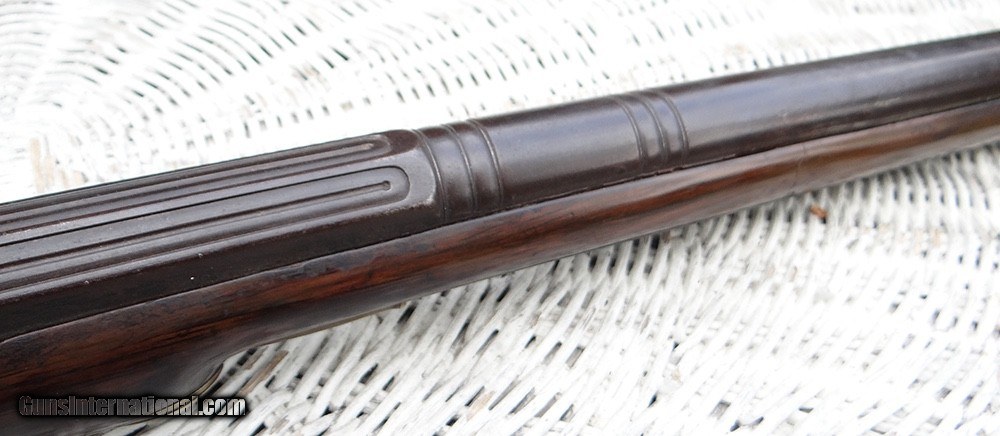
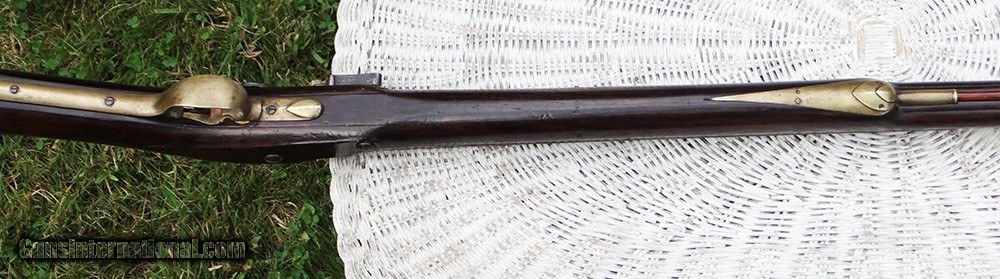
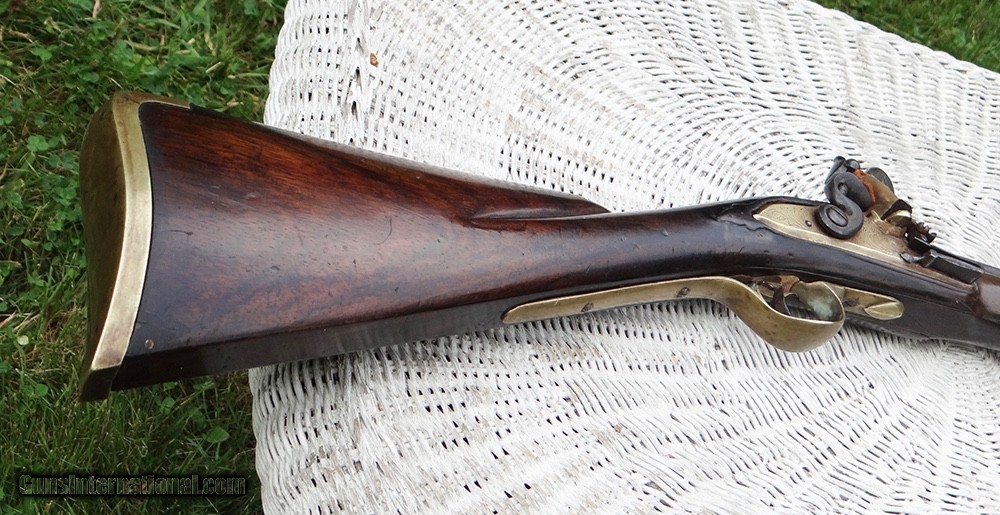
Description: A rare Dutch Colonial 18th century ’Swan Gun’ in excellent condition. Six foot + long guns became popular in Holland during the 17th century for the hunting of swans and ducks, the meat of both species, swan feathers and down were also of value. These guns were also found to be of some military use. Dutch emigrating to North America were advised to bring these long fowling pieces to the New World and over time the guns evolved into the American Hudson Valley ‘Longfowler.’ During the 17th century the Dutch Republic became a major maritime power acquiring colonies and trading bases in both the Atlantic and Pacific Oceans. In the Pacific they were very active in the spice trade voyaging to the islands of Sumatra, Java, and Bali - which eventually became the Dutch East Indies - Indonesia. The Dutch brought long Swan Guns with them and and found a great demand for firearms in the East Indies. Dutch gunsmiths emigrated to the East Indies where they found very capable metalworkers to employ in building guns, including ‘Swan Guns’ . The earliest examples follow 17th Centertury Dutch forms while those built in the 18th century follow Dutch forms of that period also incorporating East Indian features. Considerable information and pictures of both Dutch and Dutch Colonial (East Indies) long fowling pieces can be found in, “DUTCH FIREARMS”, by Arne Hoff, Sotheby Parke Bernet Publications, NYC, 1978. See Chapter IX , P-193 - 196 for Dutch examples, Chapter XI, Pages 222- 228 for Colonial East Asian examples - plate 1, examples 84, 86 being of particular interest. The seven ’Swan Guns pictured in chapters IX & Xi are in the collection of the Tojhusmuseum, Copenhagen, Denmark. Examples in private collections are rare. Our Dutch Colonial ‘Swan Gun’ / longfowler, shown in overall and detail pictures, was built in the Dutch East India colonies in the period 1740-1780. This gun displays high quality workmanship and excellent form on a par with Dutch prototypes. It follows standard Dutch form of the period with a 58” half round barrel , the octagonal sections fluted in Dutch Colonial form, the round section ending in a stepped ring witha flaring octagonal and fluted muzzle. The barrel is .63 caliber( aprox. 16 gauge) , smaller than the usual .78 - .80 of fowling pieces of that pereiod, wi the barrel thick walled and heavier than a standard fowling piece. The original flintlock features a brass lock plate and is of normal mid 18th century Dutch form without a pan bridle. The brass furniture is of Dutch form and quite heavy with the rear ramrod fitting and trigger guard forward finial showing some Asian influence. The butt plate is especially heavy with a very long tang, likely intended to help counter balance the heavy barrel. This gun is stocked in beautifully grained East Indian rosewood / ebony. It is of Dutch mid 18th century form with raised carving behind the barrel tang and flats on either side of the lock. There is no side plate since Asian rosewood / ebony is so hard and dense a side plate is not required to support the lock screws. The very high quality of this gun combined with its .63 caliber and heavier than usual barrel lead one to think it imay have been built with military usage in mind - long fowling guns were often used in Europe and the New World as long range military arms. This one could have been built for a Dutch Colonial officer, or for one of the local Rajahs or Sultans controlling independent principalities on Sumatra, java, and Bali for whom it would have been a status symbol as well as a weapon. This very impressive gun may well have an interesting American association. It is well known that the main American Northeast shipping ports from Boston south to Savannah acquired great wealth and power while engaged in the China Trade from the 1790s throughout most of the 19th century. What is not so well known is that the fortunes of Salem Massachusetts were derived from the East Indian Spice Trade - Salem ships from the late 18th well into the 19th centuries sailed to Sumatra, java, Bali, and other ports in the Sulu Sea for the very valuable spices available only in those waters. The Sultans and Rajahs in control demanded payment in specie - silver Spanish 8 reales or Mexican silver pesos - the international currency of the period. But the Indian Ocean and Sulu Sea were dangerous waters to sail. Some of the independent rulers in the Spice Trade had a nasty racket, especially on the island of Sumatra. Local rulers might wait for a Salem ship to arrive in their hasrbor, or at the mouth of a river leading to their fortress and upon its arrival a celebration would be made, fine trading would ensue, the Americans would load a valuable cargo of spices and the Sultan would recceive a chest of silver. Everybody would be happy. However the night before the Salem Ship set sail the Sultan would send a body of his men to board the American ship, kill all aboard, take back the spice cargo, and burn and sink the ship to destroy all evidence. He would then await the arrival of another Salem ship…and warmly greet its captain and crew. Numbers of American ships set sail in that period which were never heard from again. Word of these murders did eventually get back to America and the US Navy sent a the frigate POTOMAC to Sumatra in. 1832 - ‘the First Sumatra Expedition’ - and the score was well settled. However in 1838 the US Navy had to send a second expedition - the frigates ‘COLUMBIA’ , ‘JOHN ADAMS” , and their landing force - which solved the problem. This rare long gun is in excellent condition. It shows genuine use but the barrel retains an excellent deep patina with no pitting save around the touch hole. All edges, engraving, and contours are crisp with no evidence of abrasion. The lock functions well. The brass mountings have a fine patina. The rosewood / ebony stock is excellent with minor age / use wear on the upper edges of the forestock. The stock has excellent color and old / original surface. The ramrod is likely original with bone tip and iron ‘worm’ on the back end. This fine gun has been very well cared for over the years. It is quite possible this fascinarting and historical 18th century long gun was brought to the US by a Salem ship captain / spice trade,r or as a trophy. Dimensions: overall length 74” (6”2”0, barrel 58”, .63 caliber, weight 12.6 lbs. SOLD Antique: Yes Rifle Caliber: .63 Shotgun Gauge: 16 Gauge Barrel Length: 58 Bore: .63 caliber / 16 gauge Condition: excellent Metal Condition: excellent Wood Condition: excellent Barrel Type: half octagon Stock: East Indian Rosewood / Ebony Finish: original Weight: 12.6 lbs. Manufacture Date: 1740 - 1780 |
Guns International #: 101735571
Guns International #: 101735571


Guns International #: 101735571


