 to Favorites
1 of 15
2 of 15
3 of 15
4 of 15
5 of 15
6 of 15
7 of 15
8 of 15
9 of 15
10 of 15
11 of 15
12 of 15
13 of 15
14 of 15
15 of 15
 The server has not detected any activity for the last 3 hours.
For your security, your session will expire in 2 minutes and you will be redirected to the Sign In page.
Would you like to stay signed in?
The server has not detected any activity for the last 3 hours.
For your security, your session will expire in 2 minutes and you will be redirected to the Sign In page.
Would you like to stay signed in?


Guns International #: 101859440

|
Click Photo to Enlarge
|
Guns International #: 101859440
Category - Civil War Carbines
- Antique Rifles - Percussion
Seller's Information
When emailing or calling sellers direct,
please mention that you saw their listing on GunsInternational.com
Seller: Chesterfield Armament
Member Since: 11/25/19
First Name: Eric
Last Name: Chandler
State:
Virginia
Zip: 23832
Country: United States
Phone:
(804) 931-1590
Active Listings: 5
Total Listings: 162
Seller Type: FFL Dealer
Return Policy: 3 day inspection and return policy on used guns and accessories.
Payment Methods: Visa, MC, Discover, American Express
About Us: FFL with 2 locations, SOT in Chesterfield VA as Chesterfield Armament & Art and a storefront in Kilmarnock as Chandler's Firearms Estates, on Main Street. Specializing in Firearms and accessories Estates, Collectibles and Military (milsurp) firearms.
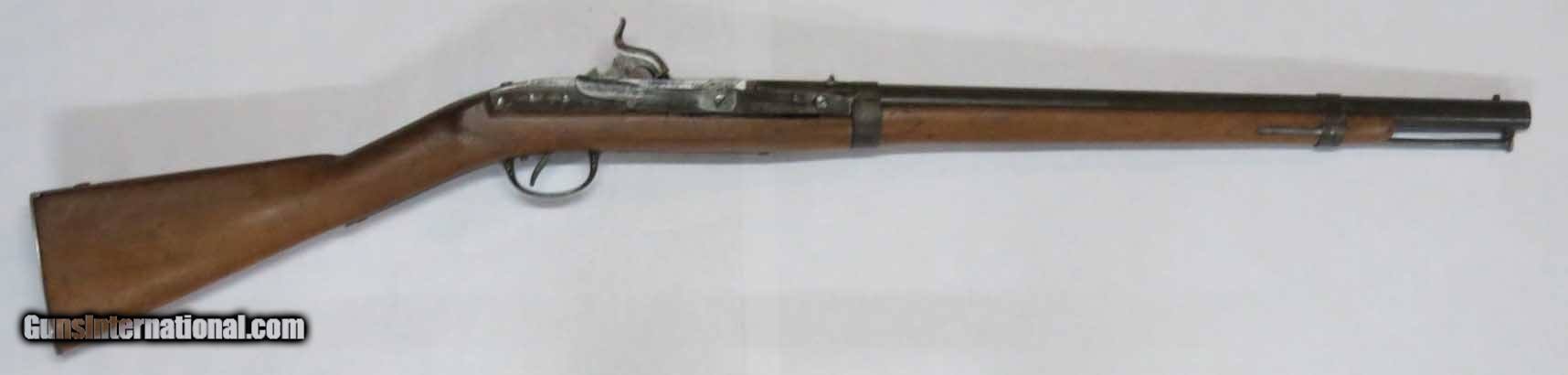
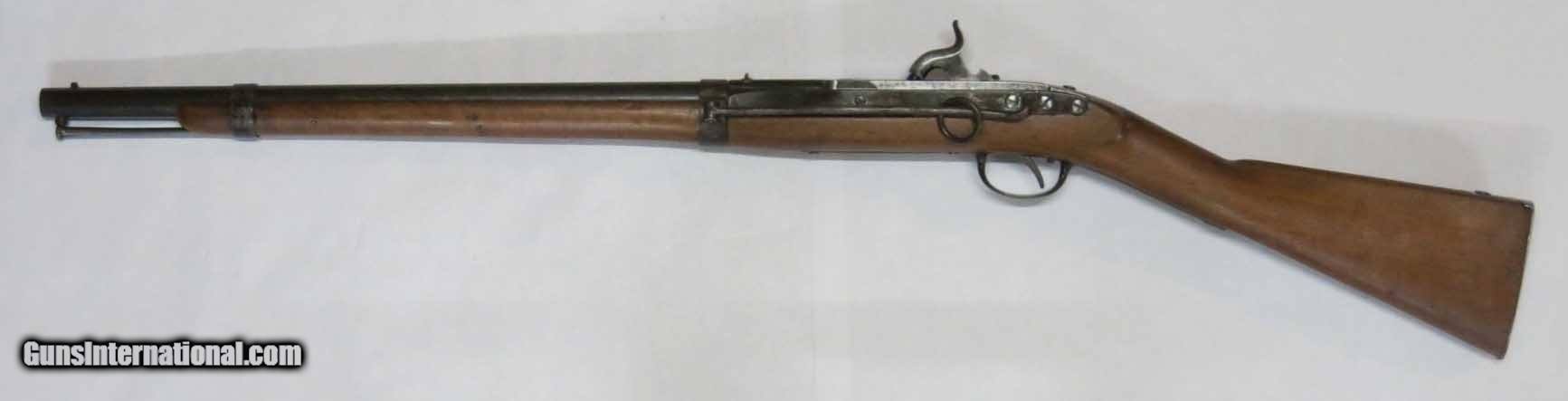
Hall / North, Model 1843 Side Lever Carbine
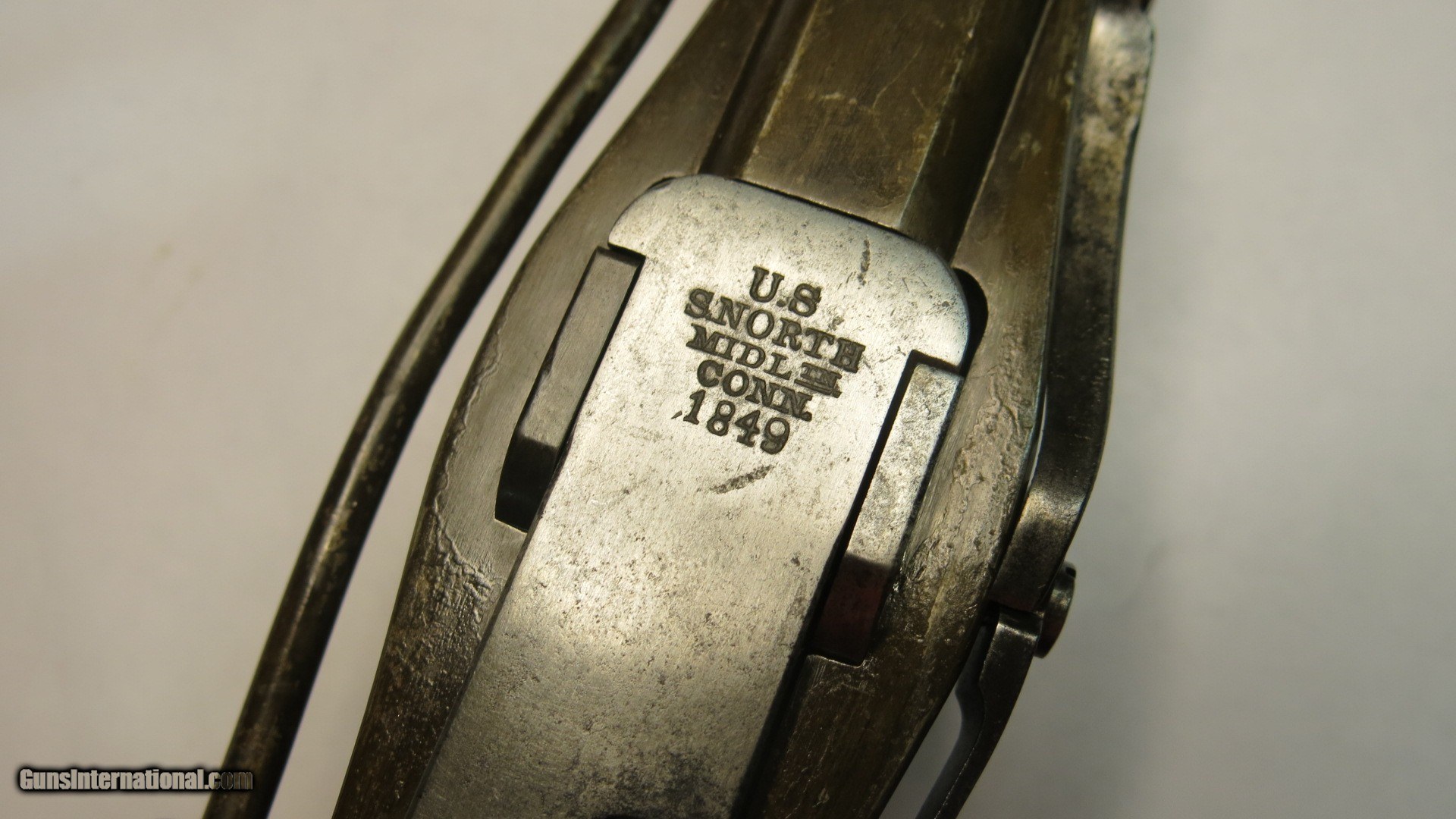
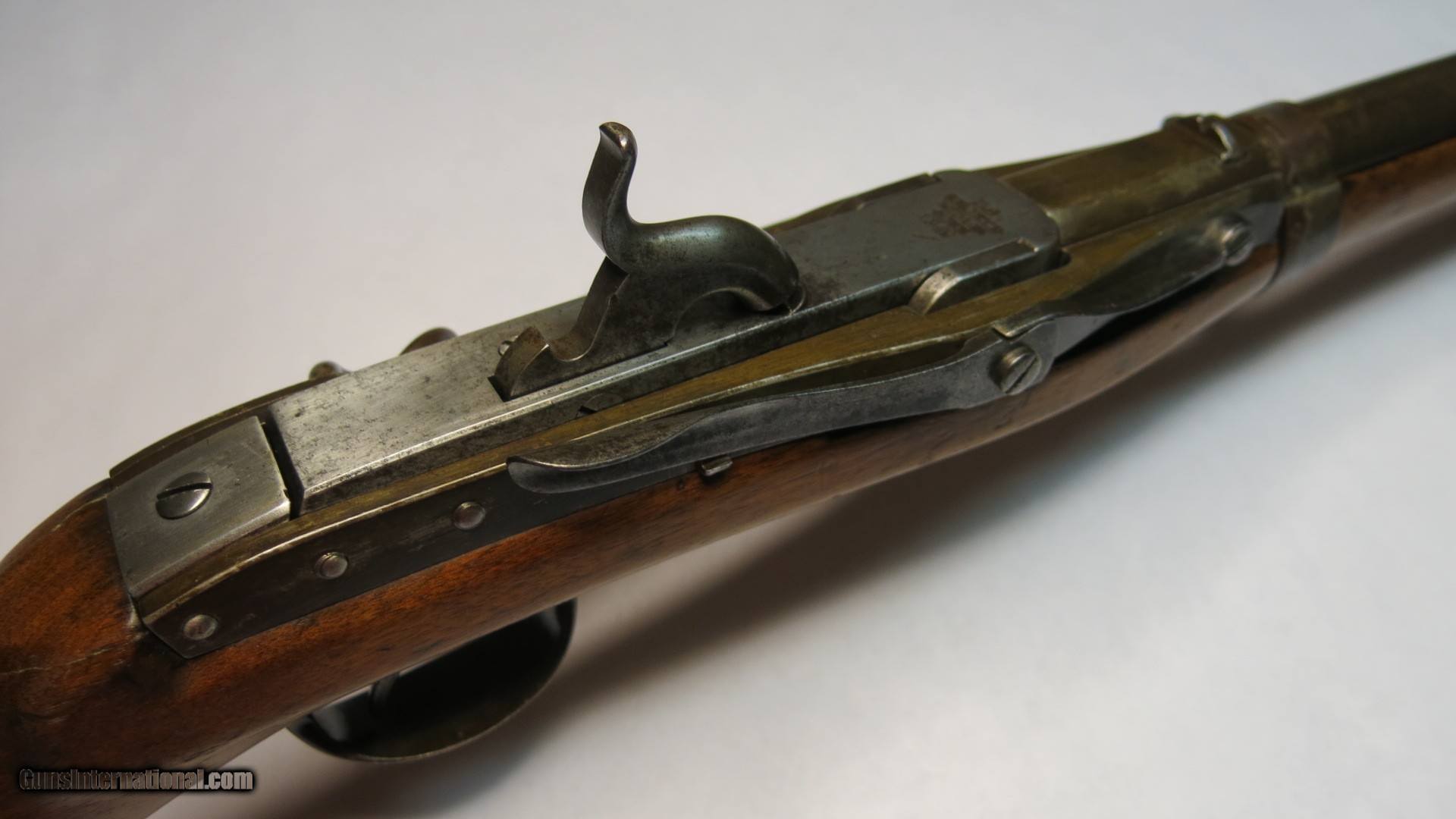
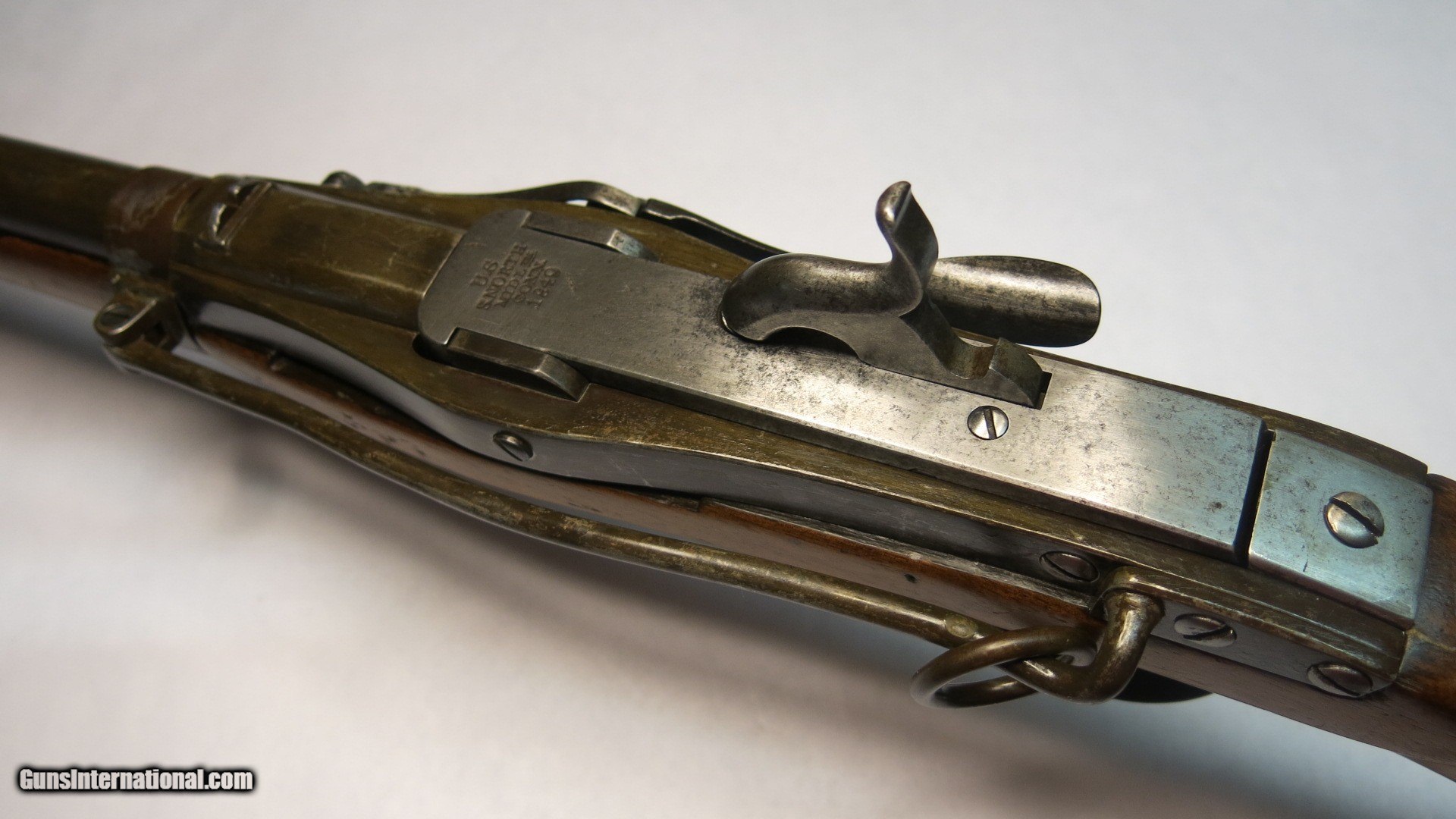
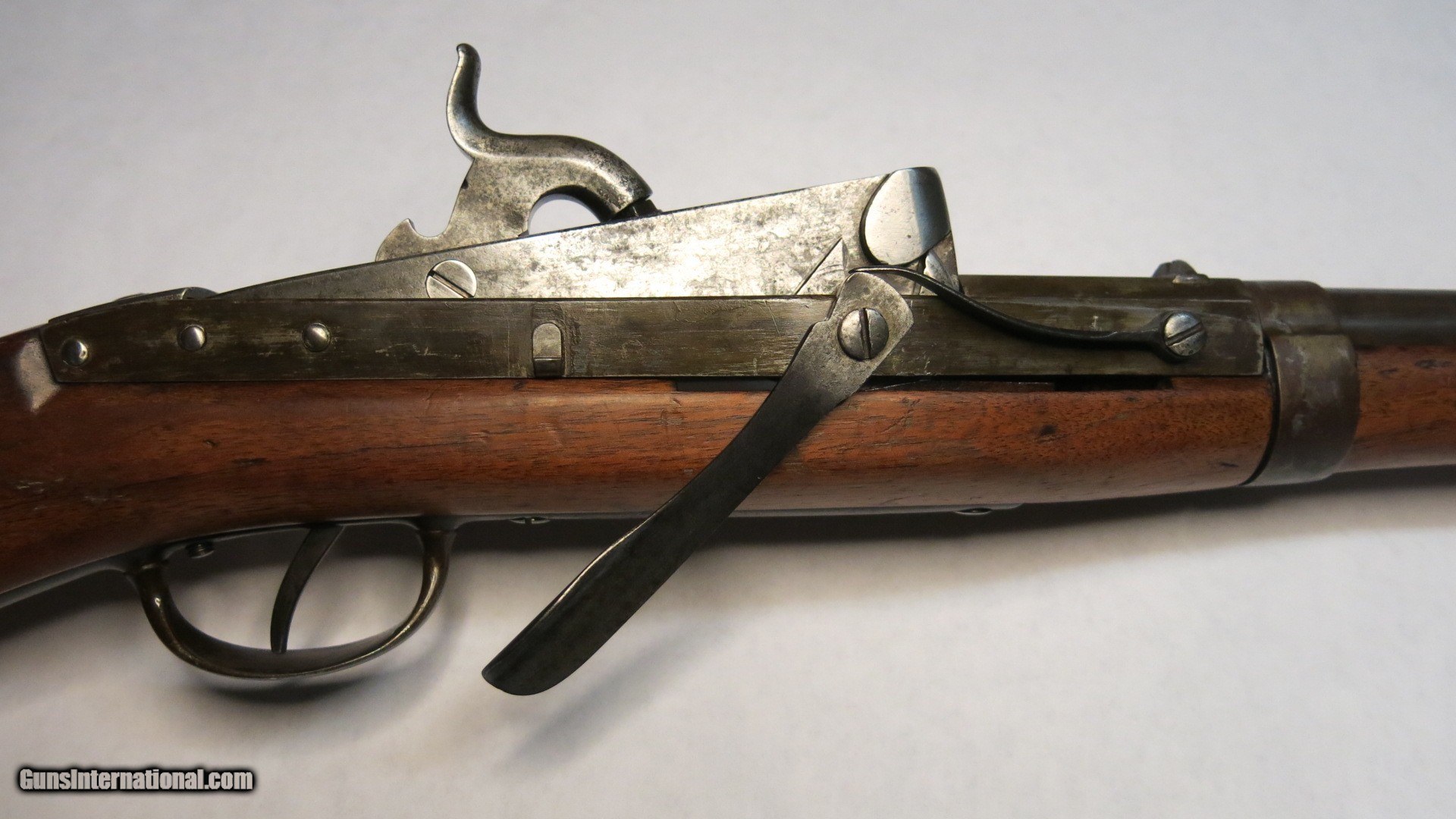
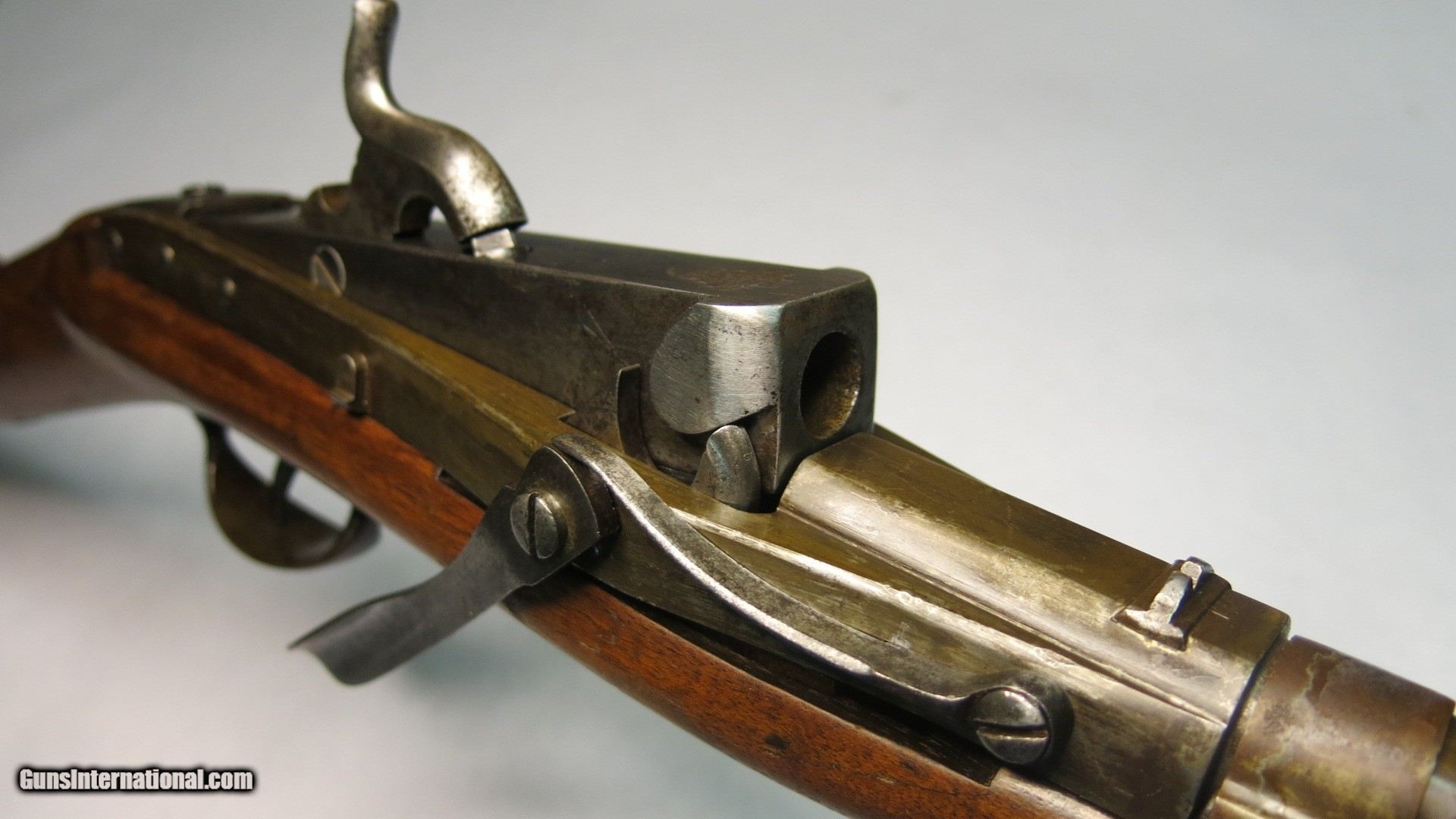
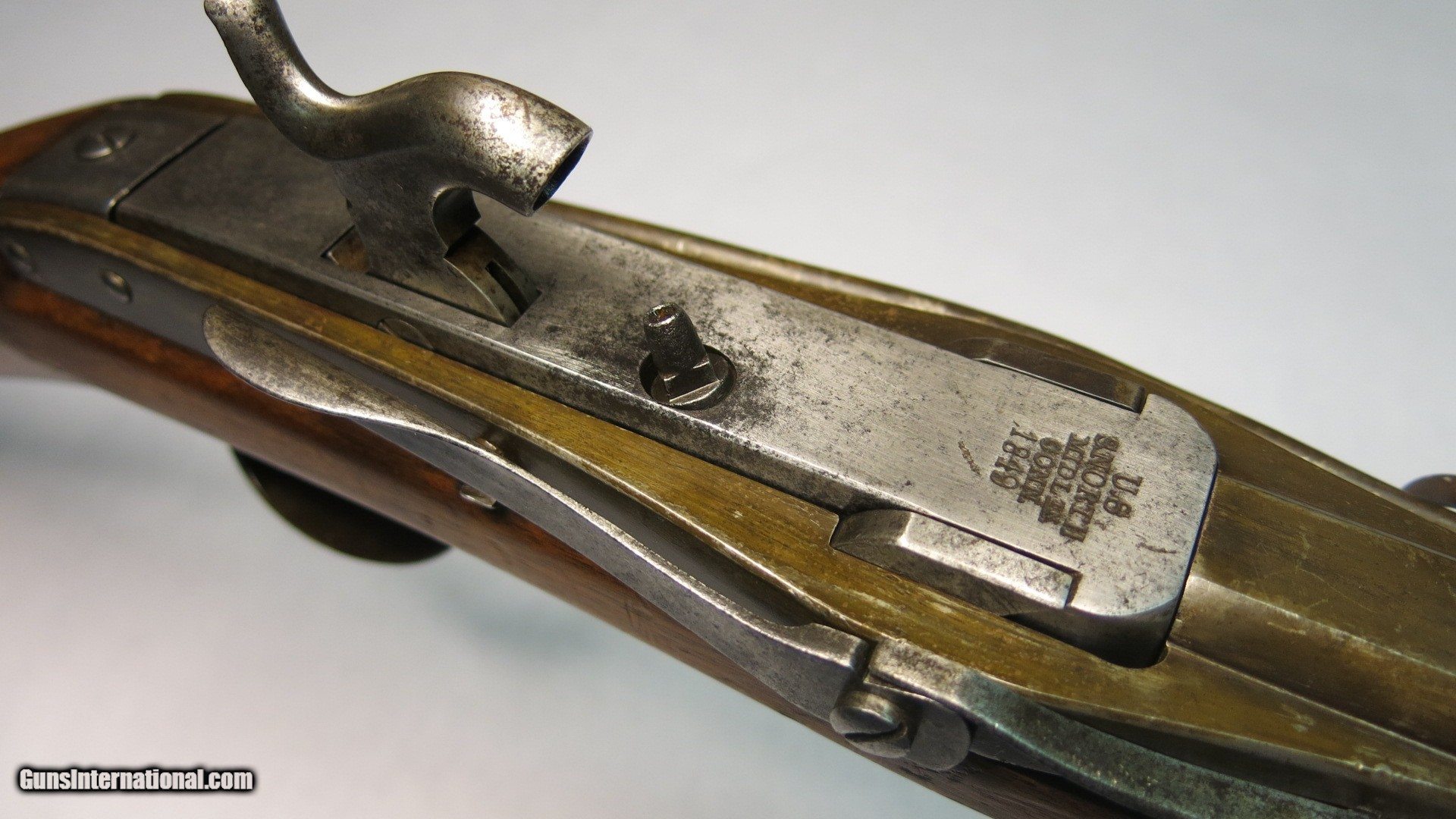
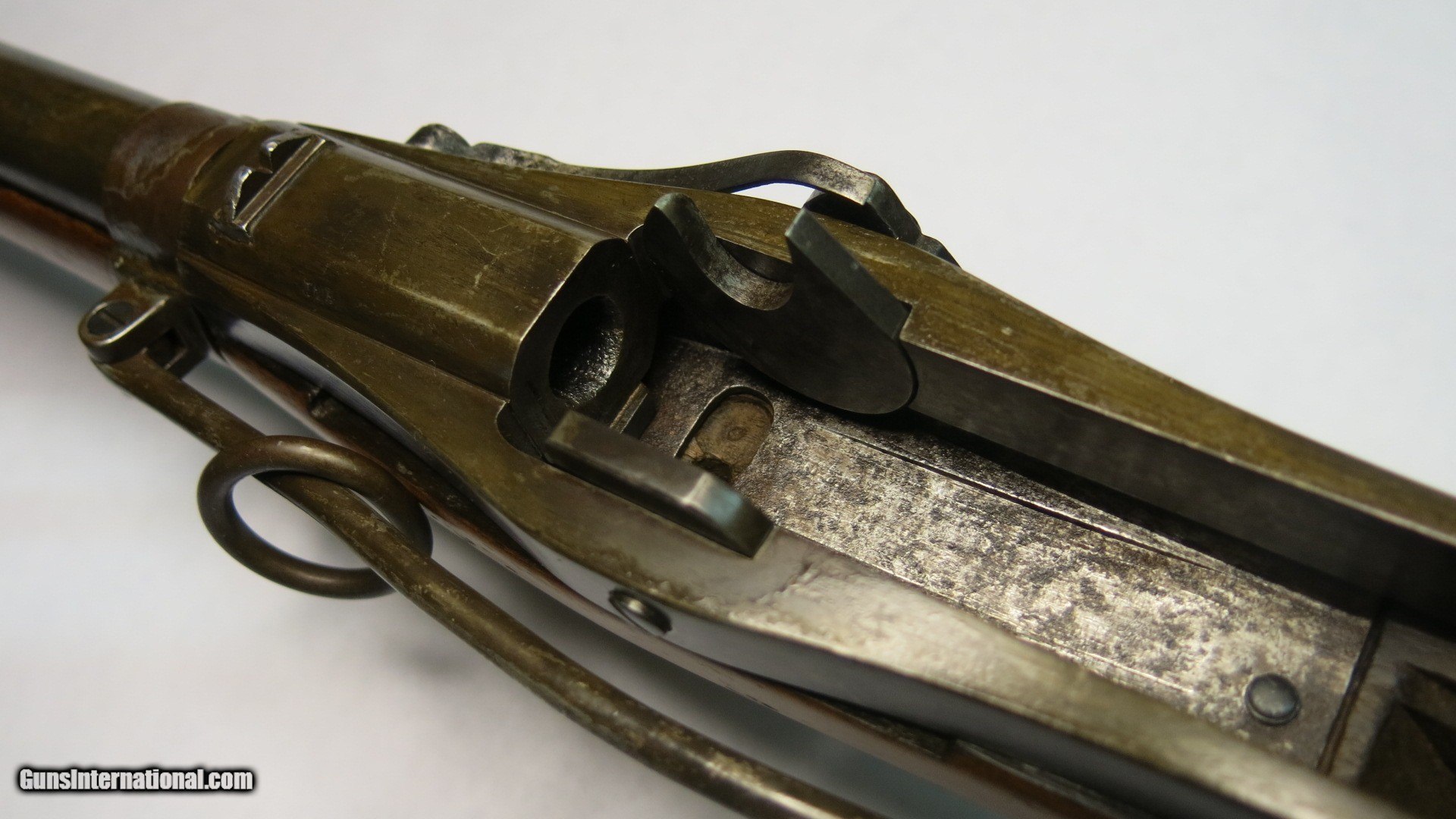
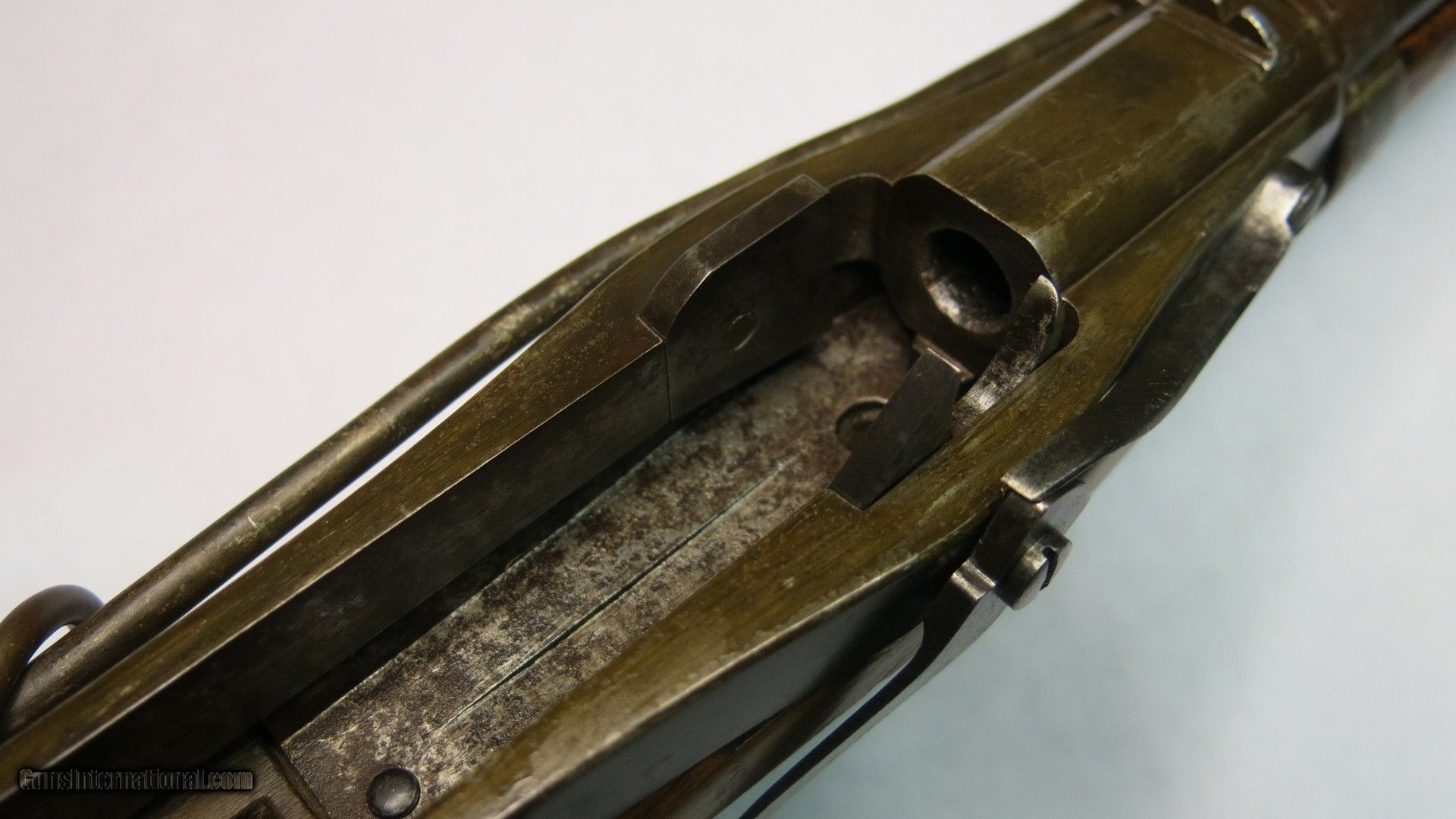
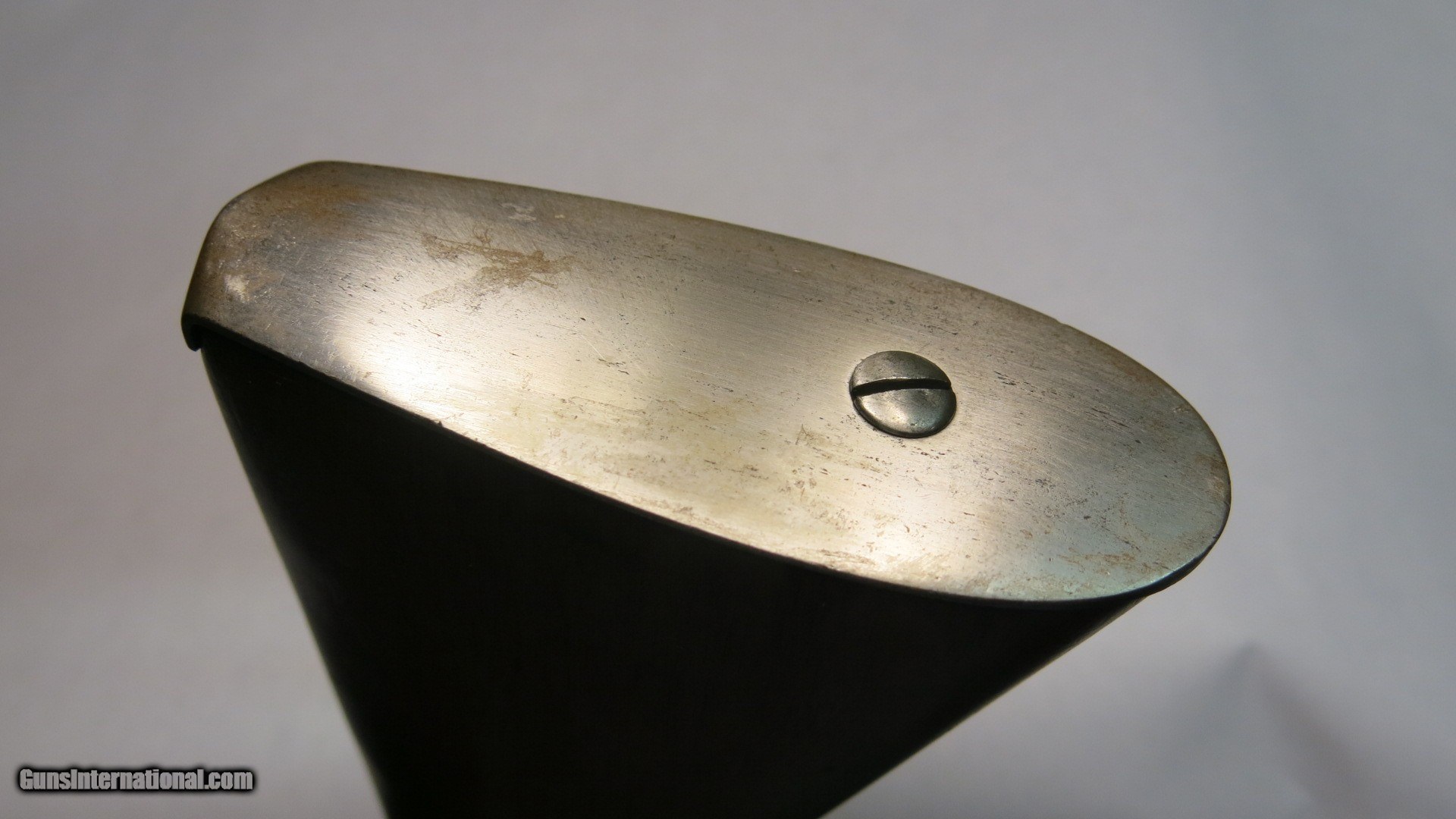
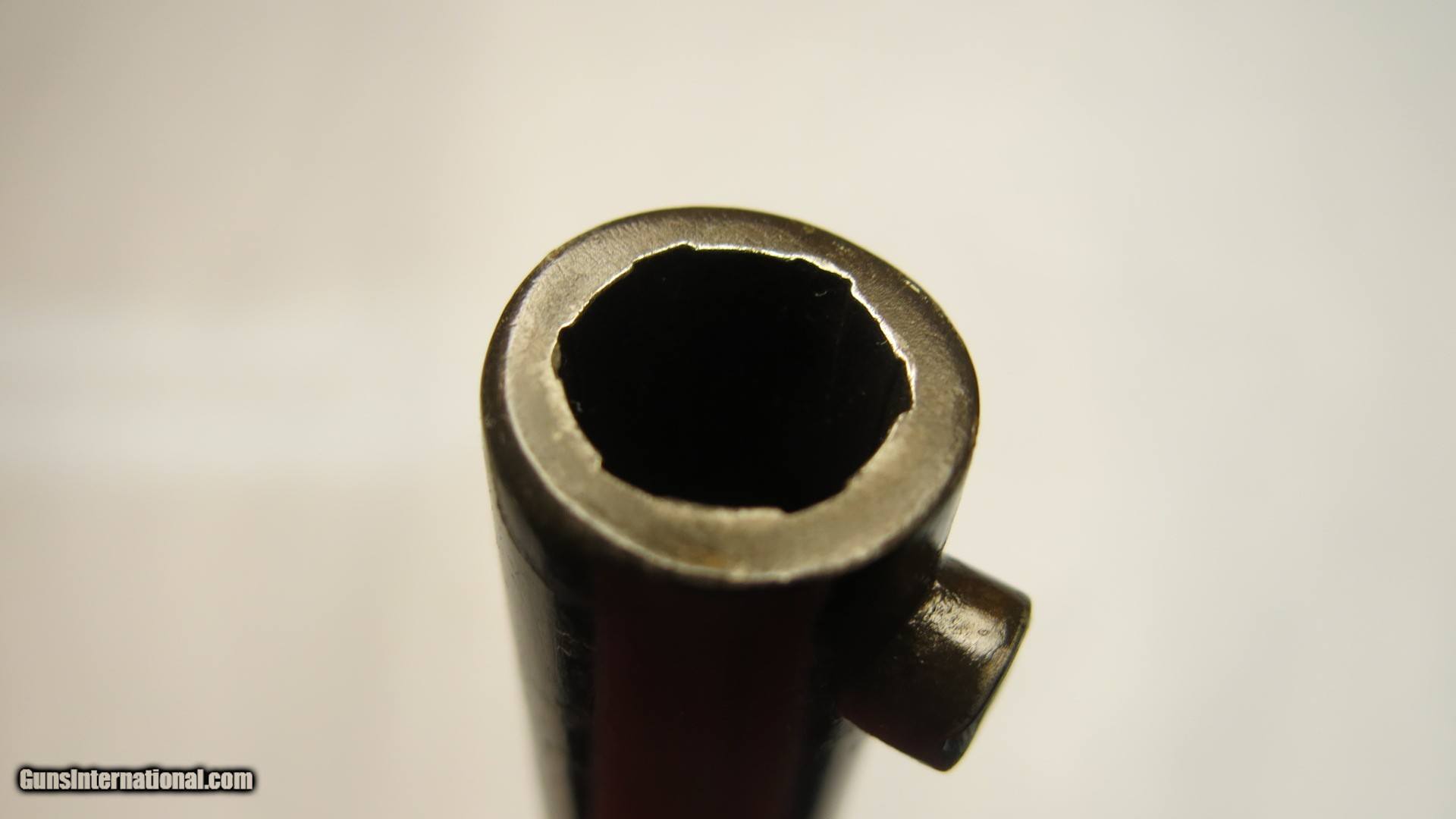
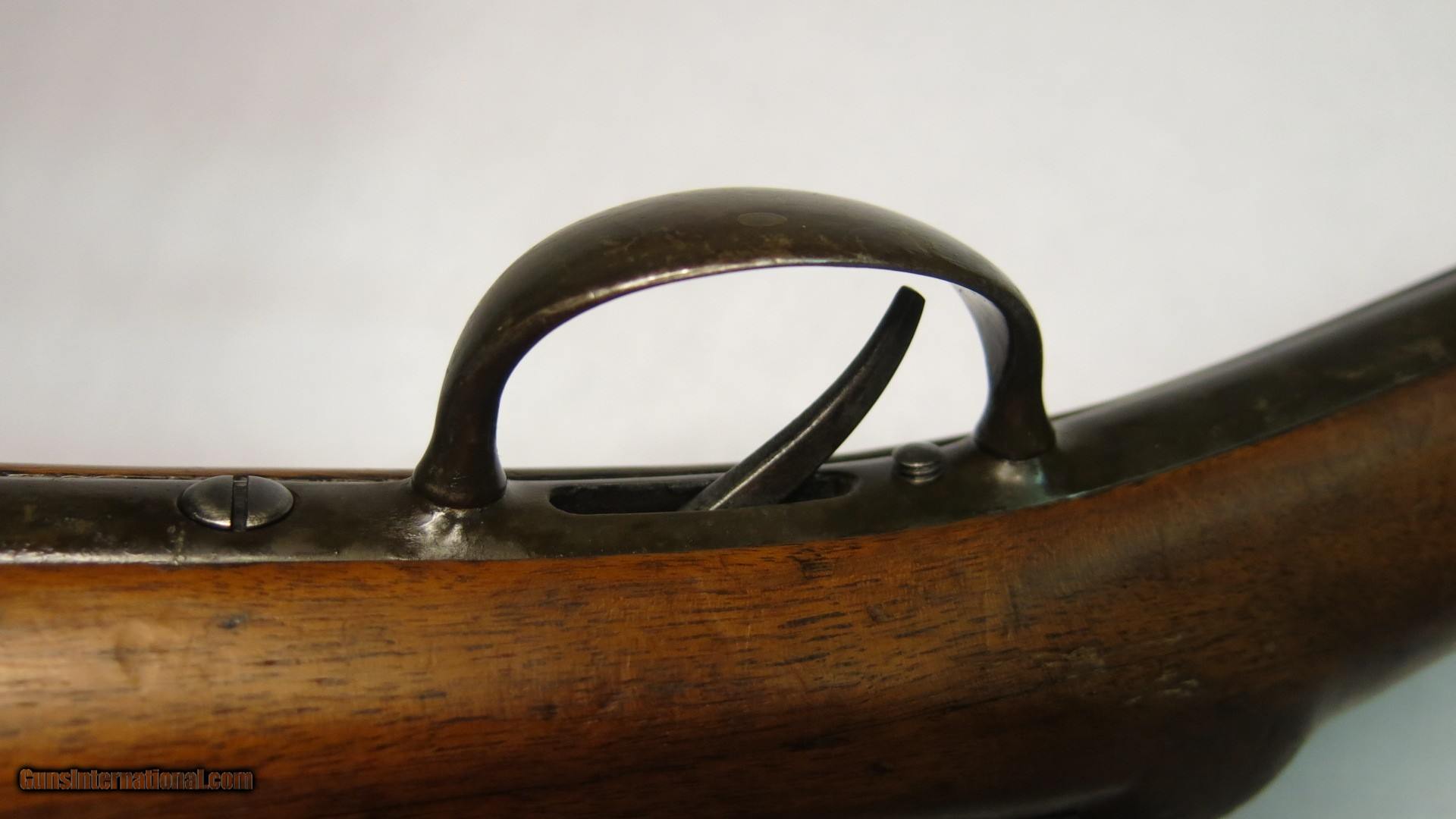
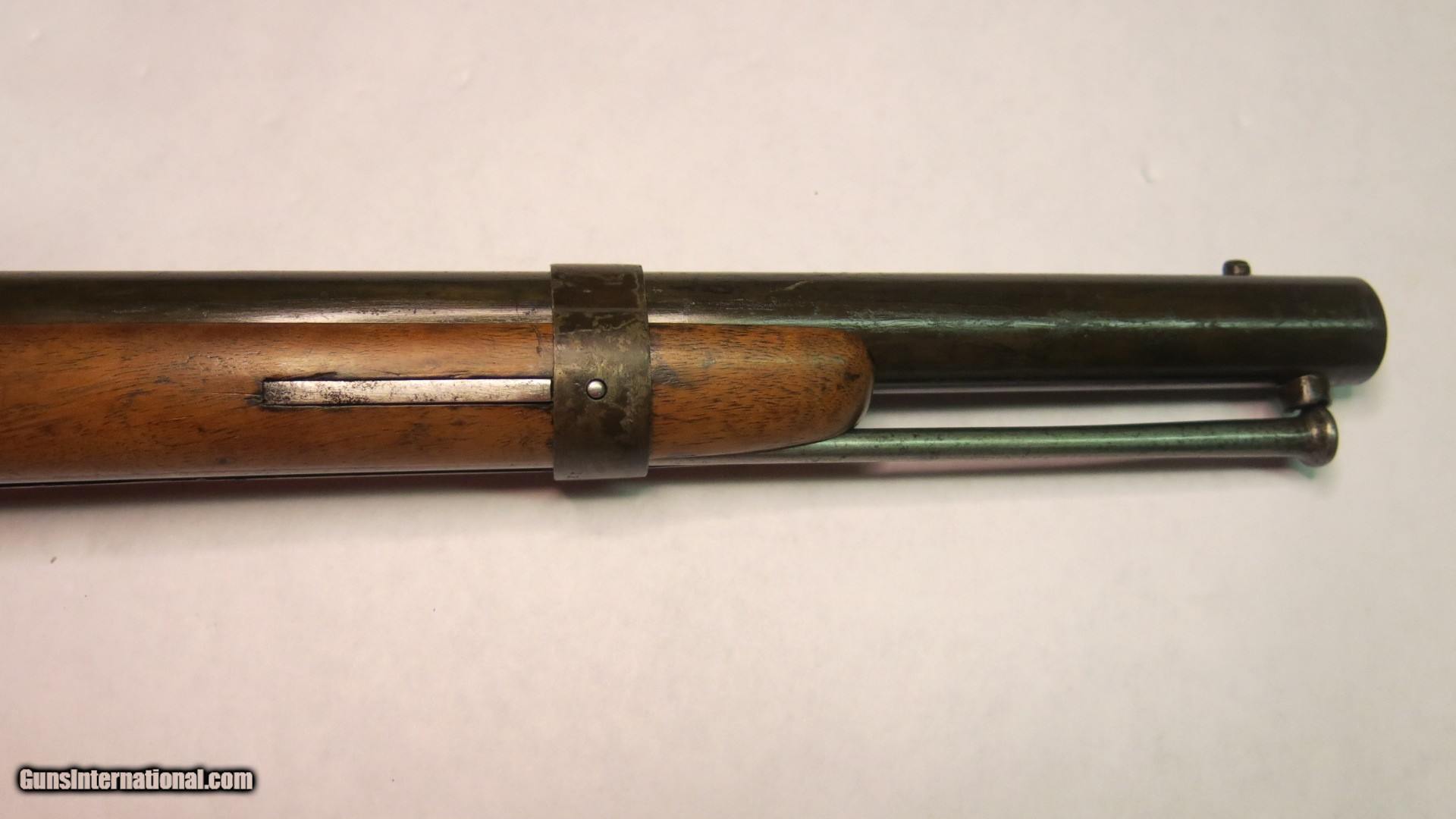
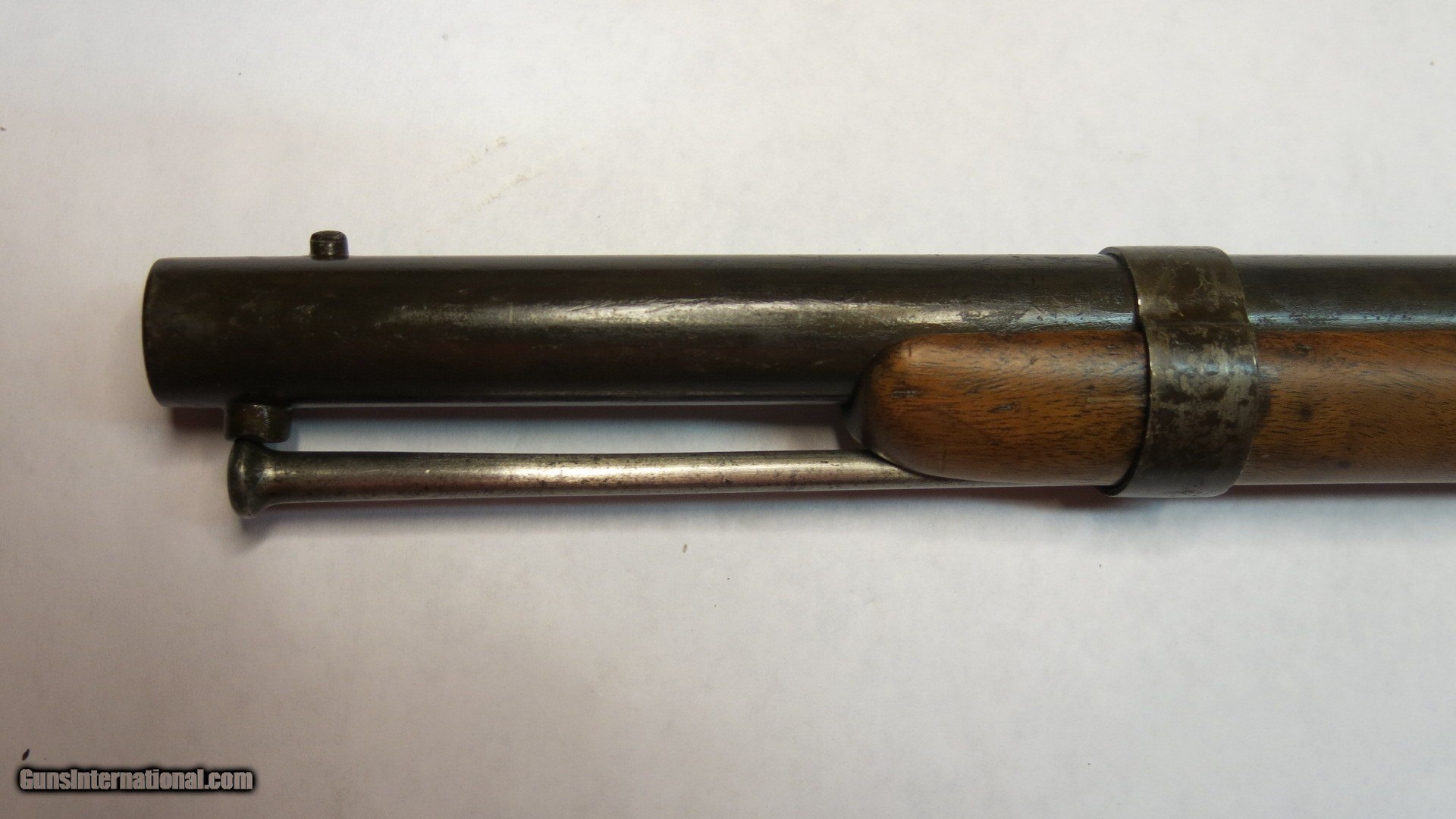
Description: Hall / North, Model 1843 Side Lever Carbine Not Serial Numbered The first breech loading long arm utilized by the United States was a rifled flint lock Model 1819 Hall in .52 caliber. These rifles were produced at the Harpers Ferry Arsenal between about 1820 and 1840. John Hancock Hall received his Patent on May 21, 1811. These rifles were the first arms produced for the U.S. with interchangeable parts. A later contract to produce the Hall was awarded to Simeon North of Middletown Connecticut in 1823. He made many revisions to the design and the last variant was the Model 1843 percussion side lever carbine. There were about 10,500 of these carbines produced between 1843 and 1852. Initially all of the carbines had .52 caliber smooth bore barrels. 5,000 of the carbines were modified by rifling the barrels for use in the Civil War and are directly associated with the “The Hall Carbine Affair”. This affair was a complicated process where surplus Hall North carbines were purchased from the government at a low price, modified, and sold back to the government at a higher price. This transaction was considered wartime profiteering by some at the time. Others look at the transaction as a justified war time expedient purchase. The modifications consisted of enlarging the breech block chambers to .59” to accept a .58 caliber paper cartridge and the barrels were rifled to a .54” groove diameter leaving the bore at .52”. It is assumed that during the modifications the interchangeable parts feature expedited the process if not making it possible. The higher priced carbines were purchased by Major General John C. Fremont for the U.S. Civil War efforts. He is the same Fremont appointed by President Polk to explore and expand the U.S. boundaries into the Oregon and California territories during the 1840’s making the country sea to sea. This carbine was produced in 1849. It includes the modifications described above and all components appear to be original to the carbine after it was modified. The term “Fremont Carbine” is used to differentiate this modified variant from others. The breech block is marked: U.S S.NORTH MIDLTN CONN. 1849 The Ordnance Inspectors initials of JCB for Joseph C. Bragg are marked on the upper left side of the receiver and the opposite lower right side. The barrels bore and the breech block chamber have significant corrosion. The barrel, receiver, trigger guard, sling ring bar and ring and barrel bands have a dark brown finish that may be original. Most exposed screws have been buffed and have no remaining finish. This carbines stock has been sanded. There are no visible arsenal markings. A 1/4” thick chip was broken off of the forward top of the wrist that has been glued back on. This breakage is not uncommon with the Hall carbines and rifles. There are no other cracks or missing wood but there are a few minor dents and dings. The interior surfaces appear to be original. The barrel channel has a black color finish where the rest is bare wood. There are slight but noticeable initials of BW scratched into the lower left side of the stock about 3” rear of the rear barrel band and are about 1/4” tall. The bottom rear of the front barrel band is marked 116 with individually stamped numbers that are .070” tall. Some people see 113 and others 118. Most external surfaces have a lacquer like coating that is alcohol soluble. The back of the butt plate is marked with F.I. 9-14-72 and appears to have been engraved free hand and is about 1/4” tall. Overall length 39 7/8” Barrel length 21 1/16” Barrel gap .002” to .003” Chamber diameter .594” at mouth, .590 at 1/2”, .590” at 1”, .500” at 1 1/2”, .470” at 2” and .450” at the bottom Chamber depth 2.450” Bore diameter .525” Groove diameter .540” Groove width .10” Land width .15” Number of grooves 6 Rifling twist 1 in 72”, published Weight 7 lb. 9 oz. Cleaning rod length 19 7/16” Cleaning rod threads .215” x about 27 or 28 Nipple threads .316” x 24 Nipple flats square 1/4” From my observations this carbine is one of the 5,000 “Fremont Carbines” associated with “The Hall Carbine Affair”. It was cleaned up in 1972 and used by a reenactor. SOLD Antique: Yes |
Guns International #: 101859440
Guns International #: 101859440


Guns International #: 101859440


