

 to Favorites

Guns International #: 103638916 | Seller's Inventory #: 675398
1 of 17
ENFIELD other
.303 BRITISH
Description:
Guns Listing ID: 675398
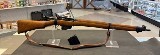
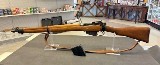
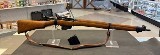
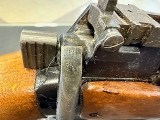
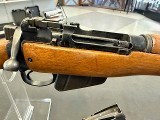
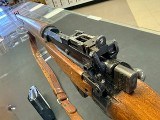
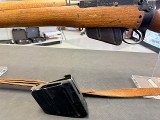
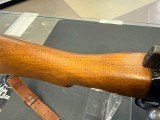
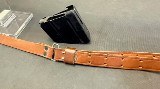
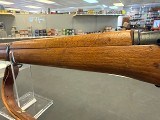
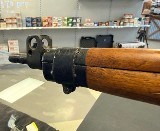
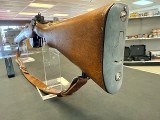
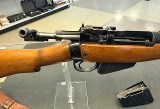
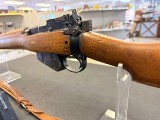
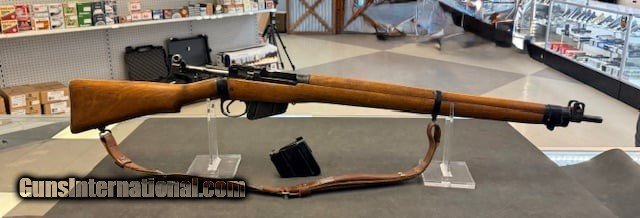
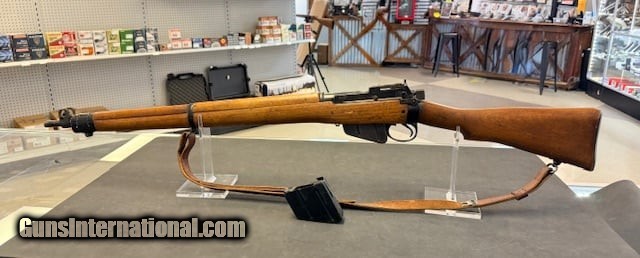
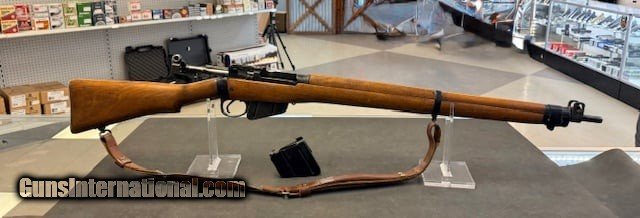
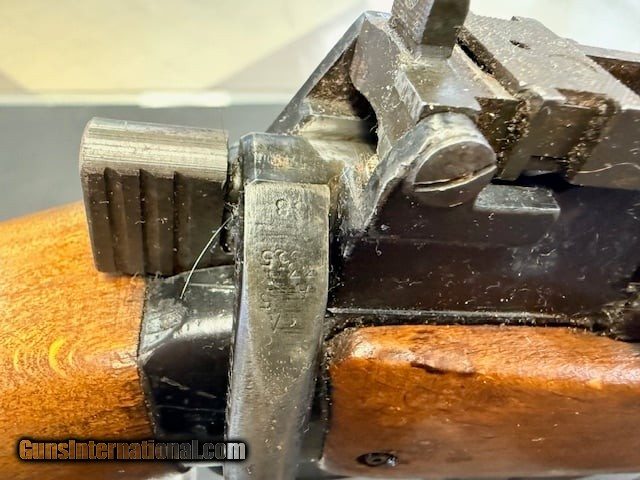
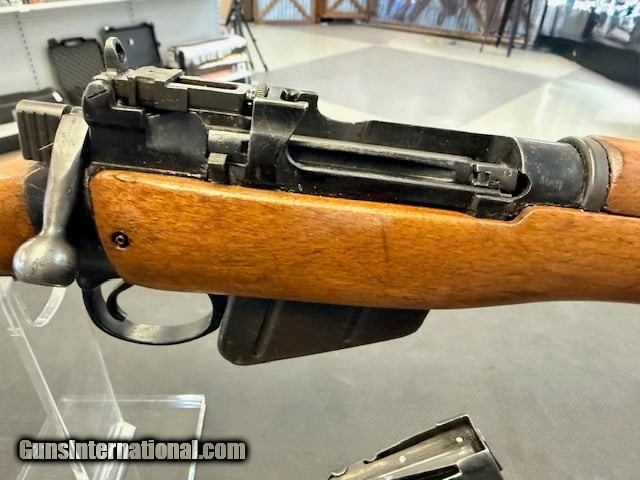
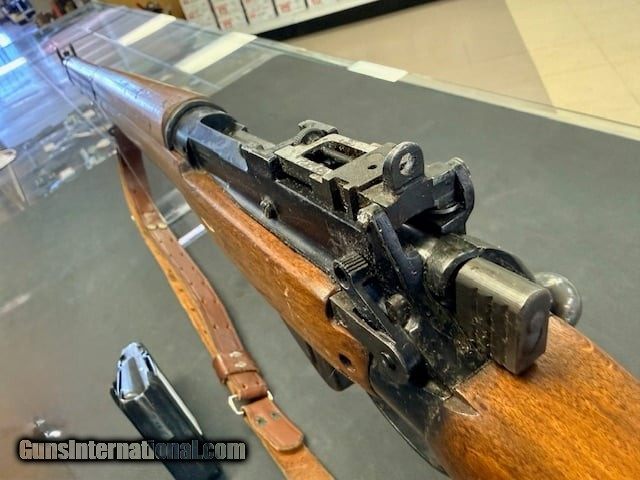
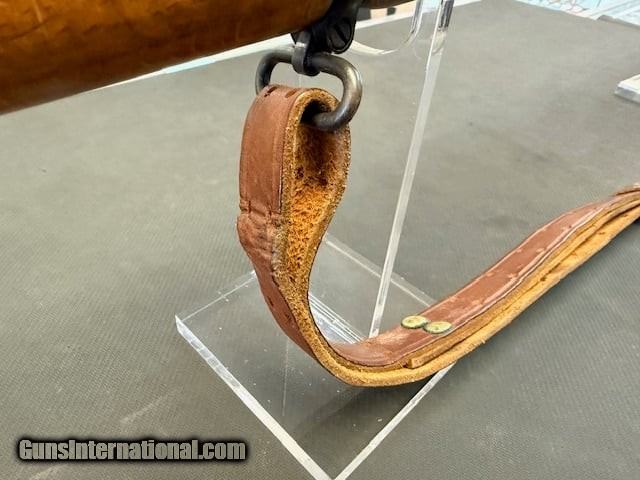
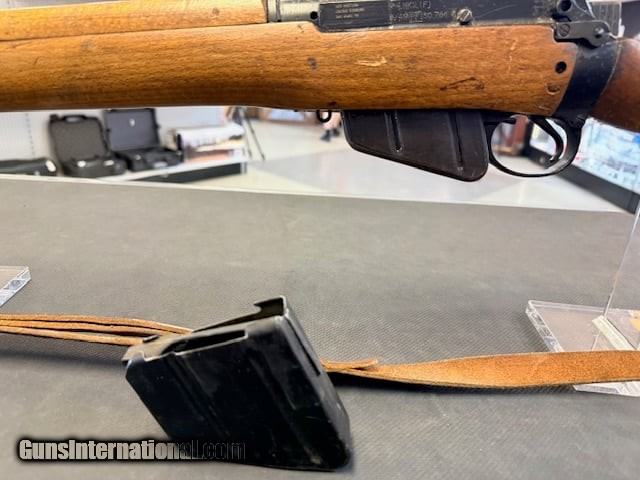
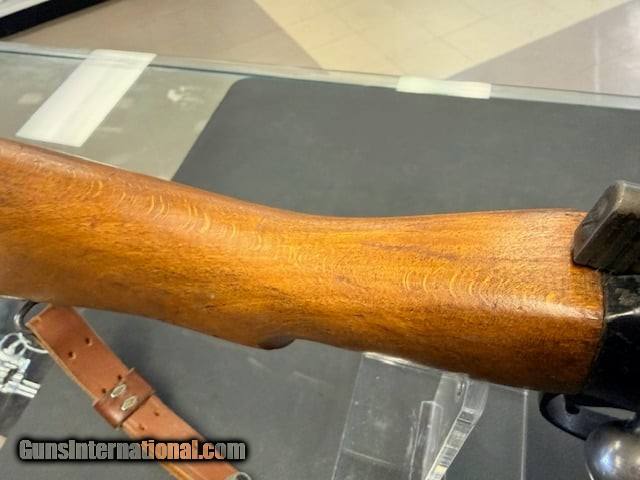
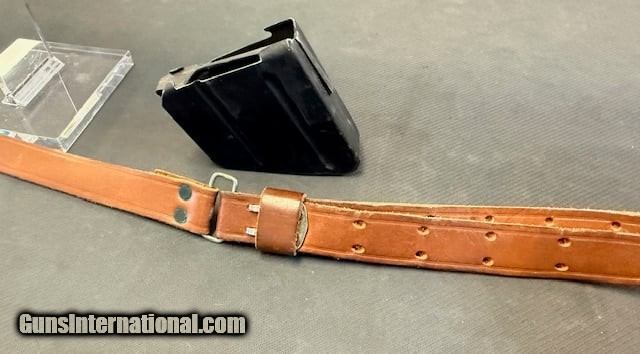
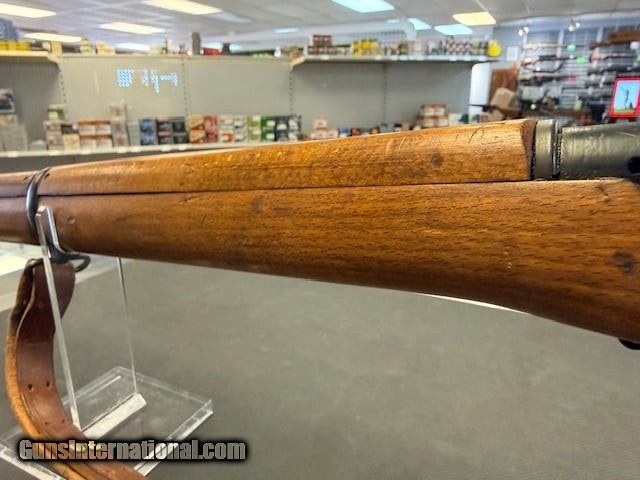
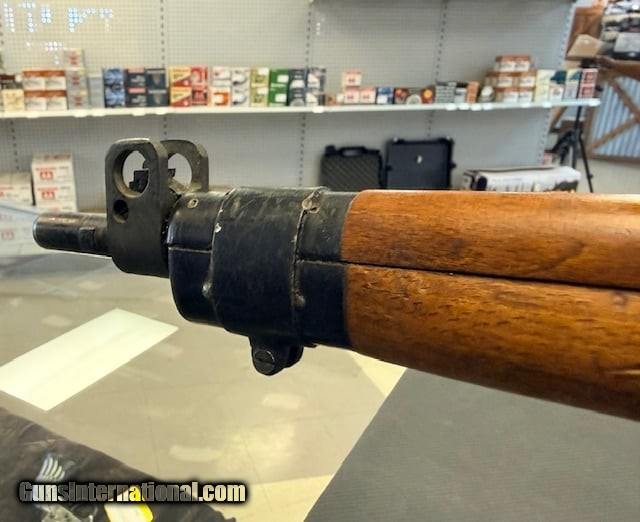
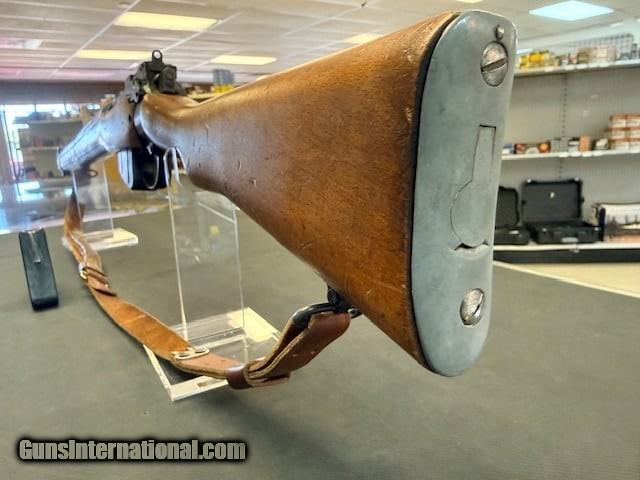
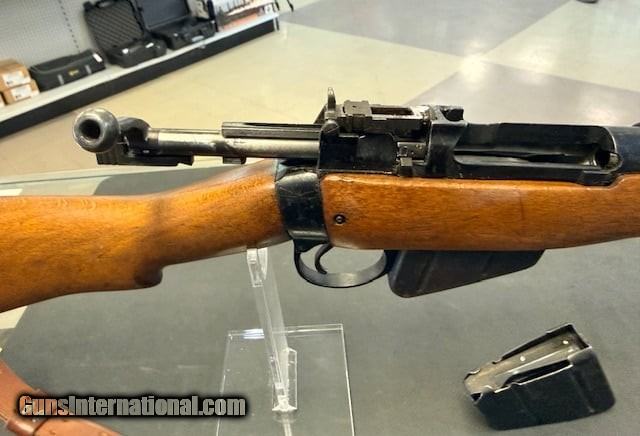
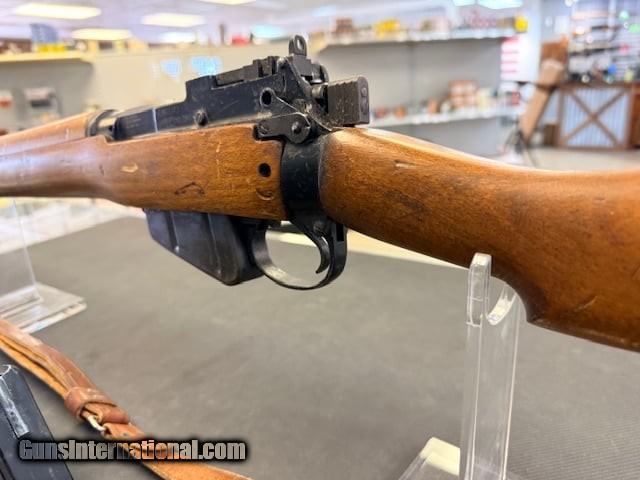
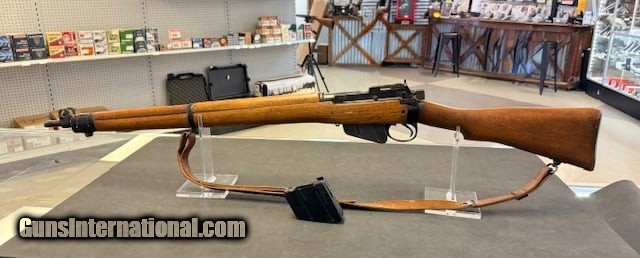
this rifle is in good condition and has 2 mags
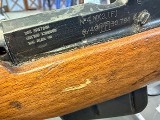
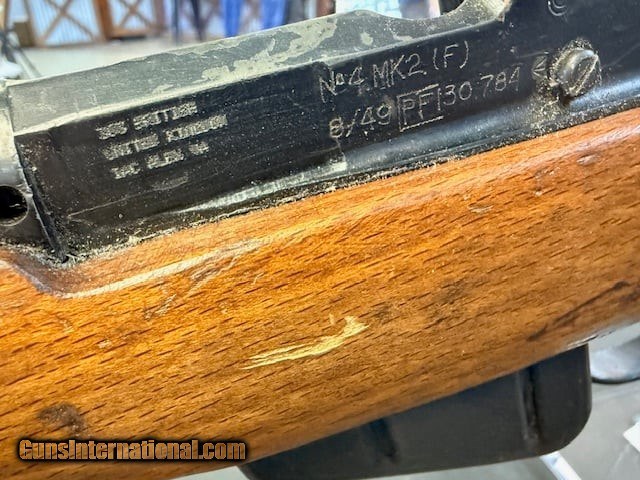
“No4 Mk2" = the final and best-developed version of the wartime Enfield No.4 rifle.
“PF" = made at ROF Fazakerley in Liverpool, England. PF serial prefixes are Fazakerley production.
“0/49" or “8/49" = manufacture date, meaning 1949. That’s the very first production year for the Mk2 rifles. Early Mk2s are desirable to collectors.
“DAC Alex VA" = import mark from the company that brought it into the U.S. after surplus import laws started requiring import stamps. “Alex VA" is Alexandria, Virginia. That doesn’t hurt it much — almost all surplus Enfields in the U.S. have import marks.
rifle was built right after WWII
1949 Mk2s were made when Britain still had huge stockpiles of wartime rifles, so the Mk2 was basically the “refined" Enfield. The machining and finish on these are usually better than wartime guns.
rifle was built right after WWII
1949 Mk2s were made when Britain still had huge stockpiles of wartime rifles, so the Mk2 was basically the “refined" Enfield. The machining and finish on these are usually better than wartime guns.
The Mk2 trigger is actually improved
Earlier No.4 Enfields had the trigger attached to the trigger guard. The Mk2 moved the trigger mounting to the receiver itself, which gave a more consistent trigger pull and better accuracy. That was the big mechanical improvement of the Mk2.
Even though it’s a 1949 gun, Britain reused a ton of parts and tooling after WWII. Some early Mk2s have mixed features from wartime production.
The Lee–Enfield earned a legendary reputation in both World Wars because its action was insanely fast for a bolt gun. A lot of German troops reportedly thought they were facing machine guns when British riflemen opened up.
Why the Enfield was so fast:
Rear-locking bolt design — the bolt only rotates about 60 degrees instead of the bigger lift on Mausers and Springfields. Less movement = faster cycling.
Short, smooth bolt throw — British troops trained to keep the rifle shouldered while cycling.
Cock-on-closing action — unlike a Mauser that cocks when lifting the bolt, the Enfield cocks when pushing forward. That makes the initial bolt lift lighter and faster during rapid fire.
10-round detachable magazine — huge advantage when most other bolt rifles held 5 rounds.
The famous part was the “Mad Minute."
British Army musketry training before WWI was extremely serious. Soldiers practiced rapid aimed fire at 300-yard targets until it became muscle memory.
A trained rifleman was expected to hit a target:
15 aimed shots in one minute minimum
Elite shooters could do 20–30 hits per minute
There are documented accounts of British regulars during the opening of WWI at the Battle of Mons firing so rapidly that German troops believed they were facing massed machine guns instead of infantry rifle fire.
One British instructor, Sergeant Instructor Alfred Snoxall, famously fired 38 hits in one minute on a 12-inch target at 300 yards using a Lee–Enfield in 1914. That’s absolutely wild for a bolt action rifle.
Another cool detail is
British doctrine was built around rifle fire dominance. Before machine guns became widespread, Britain invested heavily in making every infantryman an expert marksman. The Lee–Enfield was basically designed around that philosophy.
Manufacturer: ENFIELD
Model: other
Caliber Info: .303 BRITISH
Condition: Used - Non-Certified
Barrels: 25" BARREL
Action: BOLT ACTION
Price: $1,050.99
Check out direct with Guns.com
Description:
Guns Listing ID: 675398
this rifle is in good condition and has 2 mags
“No4 Mk2" = the final and best-developed version of the wartime Enfield No.4 rifle.
“PF" = made at ROF Fazakerley in Liverpool, England. PF serial prefixes are Fazakerley production.
“0/49" or “8/49" = manufacture date, meaning 1949. That’s the very first production year for the Mk2 rifles. Early Mk2s are desirable to collectors.
“DAC Alex VA" = import mark from the company that brought it into the U.S. after surplus import laws started requiring import stamps. “Alex VA" is Alexandria, Virginia. That doesn’t hurt it much — almost all surplus Enfields in the U.S. have import marks.
rifle was built right after WWII
1949 Mk2s were made when Britain still had huge stockpiles of wartime rifles, so the Mk2 was basically the “refined" Enfield. The machining and finish on these are usually better than wartime guns.
rifle was built right after WWII
1949 Mk2s were made when Britain still had huge stockpiles of wartime rifles, so the Mk2 was basically the “refined" Enfield. The machining and finish on these are usually better than wartime guns.
The Mk2 trigger is actually improved
Earlier No.4 Enfields had the trigger attached to the trigger guard. The Mk2 moved the trigger mounting to the receiver itself, which gave a more consistent trigger pull and better accuracy. That was the big mechanical improvement of the Mk2.
Even though it’s a 1949 gun, Britain reused a ton of parts and tooling after WWII. Some early Mk2s have mixed features from wartime production.
The Lee–Enfield earned a legendary reputation in both World Wars because its action was insanely fast for a bolt gun. A lot of German troops reportedly thought they were facing machine guns when British riflemen opened up.
Why the Enfield was so fast:
Rear-locking bolt design — the bolt only rotates about 60 degrees instead of the bigger lift on Mausers and Springfields. Less movement = faster cycling.
Short, smooth bolt throw — British troops trained to keep the rifle shouldered while cycling.
Cock-on-closing action — unlike a Mauser that cocks when lifting the bolt, the Enfield cocks when pushing forward. That makes the initial bolt lift lighter and faster during rapid fire.
10-round detachable magazine — huge advantage when most other bolt rifles held 5 rounds.
The famous part was the “Mad Minute."
British Army musketry training before WWI was extremely serious. Soldiers practiced rapid aimed fire at 300-yard targets until it became muscle memory.
A trained rifleman was expected to hit a target:
15 aimed shots in one minute minimum
Elite shooters could do 20–30 hits per minute
There are documented accounts of British regulars during the opening of WWI at the Battle of Mons firing so rapidly that German troops believed they were facing massed machine guns instead of infantry rifle fire.
One British instructor, Sergeant Instructor Alfred Snoxall, famously fired 38 hits in one minute on a 12-inch target at 300 yards using a Lee–Enfield in 1914. That’s absolutely wild for a bolt action rifle.
Another cool detail is
British doctrine was built around rifle fire dominance. Before machine guns became widespread, Britain invested heavily in making every infantryman an expert marksman. The Lee–Enfield was basically designed around that philosophy.
Manufacturer: ENFIELD
Model: other
Caliber Info: .303 BRITISH
Condition: Used - Non-Certified
Barrels: 25" BARREL
Action: BOLT ACTION
Price: $1,050.99
Check out direct with Guns.com
Guns International Advertising Policy
GunsInternational.com is the #1 Gun Classified website that brings gun buyers and gun brokers or sellers together through classified advertising of guns, gun related items and services for sale online. If you are looking to buy guns online or sell guns online, you have come to the right place. GunsInternational.com gun classifieds currently have over 200,000 guns for sale online by numerous dealers and collectors alike. Guns International makes no representation or warranty as to the accuracy of the information contained in the gun classifieds, gun parts or gun services classifieds listings. Buyers and sellers are required to know and comply with all applicable local, state, federal and international firearm laws.
GunsInternational.com is the #1 Gun Classified website that brings gun buyers and gun brokers or sellers together through classified advertising of guns, gun related items and services for sale online. If you are looking to buy guns online or sell guns online, you have come to the right place. GunsInternational.com gun classifieds currently have over 200,000 guns for sale online by numerous dealers and collectors alike. Guns International makes no representation or warranty as to the accuracy of the information contained in the gun classifieds, gun parts or gun services classifieds listings. Buyers and sellers are required to know and comply with all applicable local, state, federal and international firearm laws.

©2006 - 2026 all rights reserved. | Guns International.com | V4.1 ww2


Privacy Policy
User Agreement
FAQs
Contact Us
Careers
©2006 - 2026 all rights reserved.
Guns International.com | V4.1 ww2
Guns International.com | V4.1 ww2