

 to Favorites

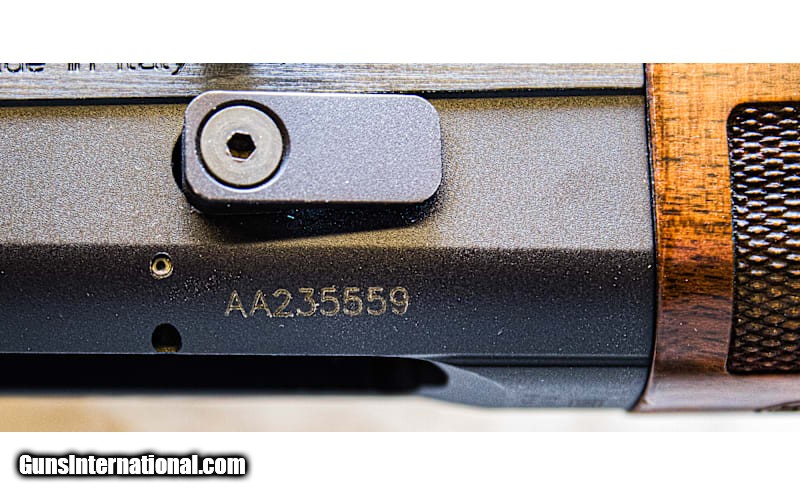
Guns International #: 103699903 | Seller's Inventory #: 4992184


1 of 16
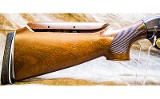
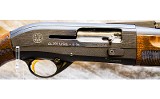
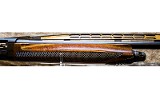
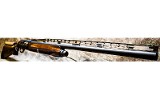
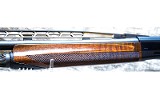
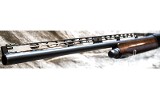
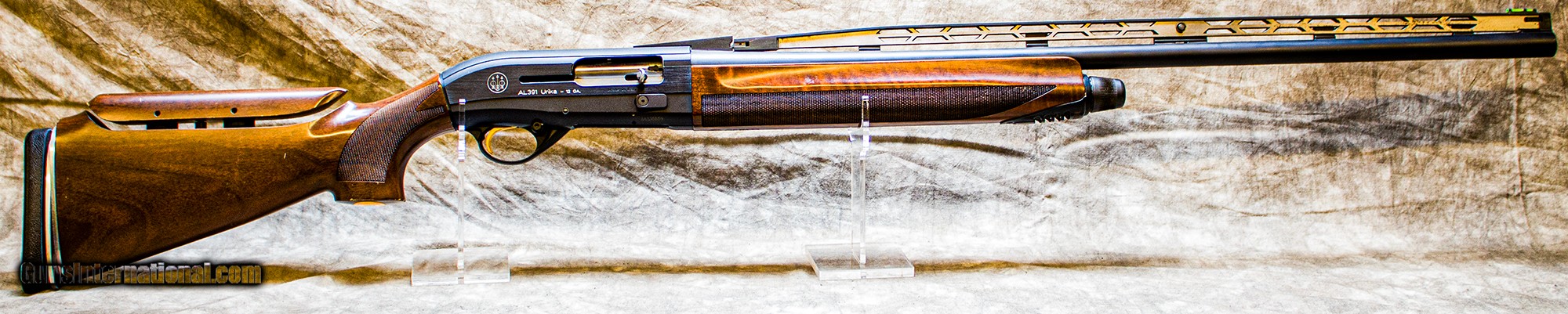
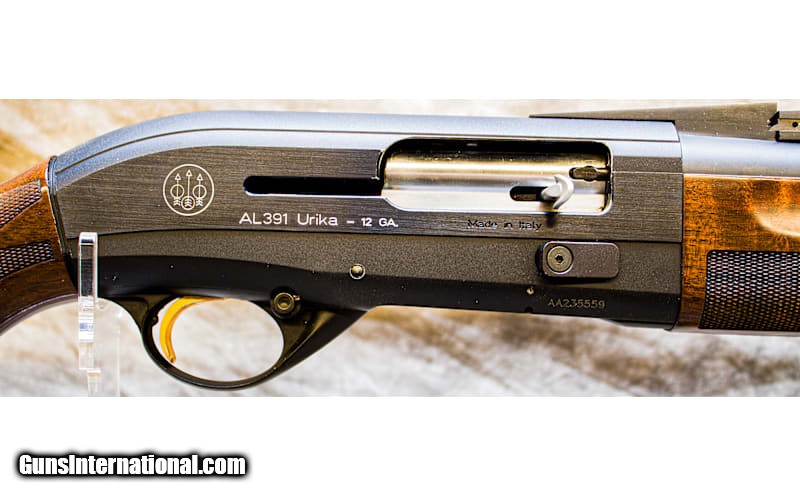
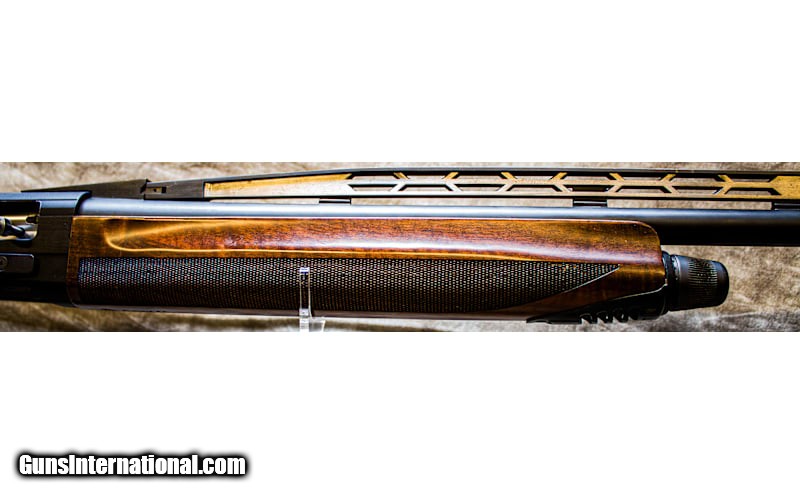
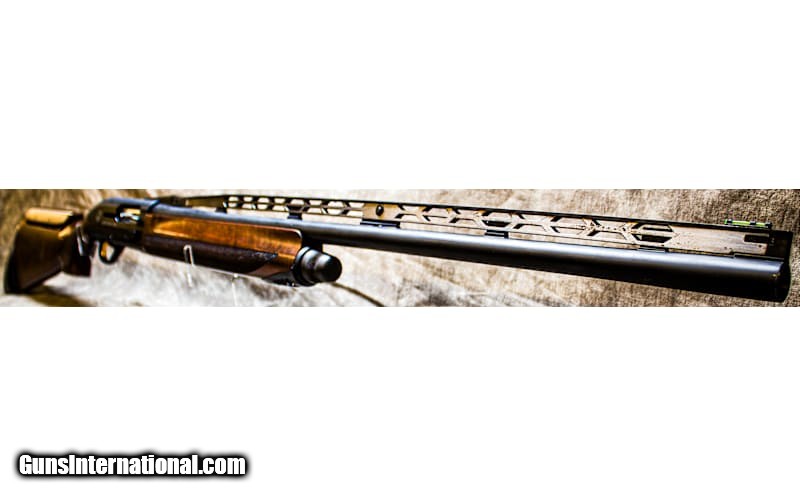
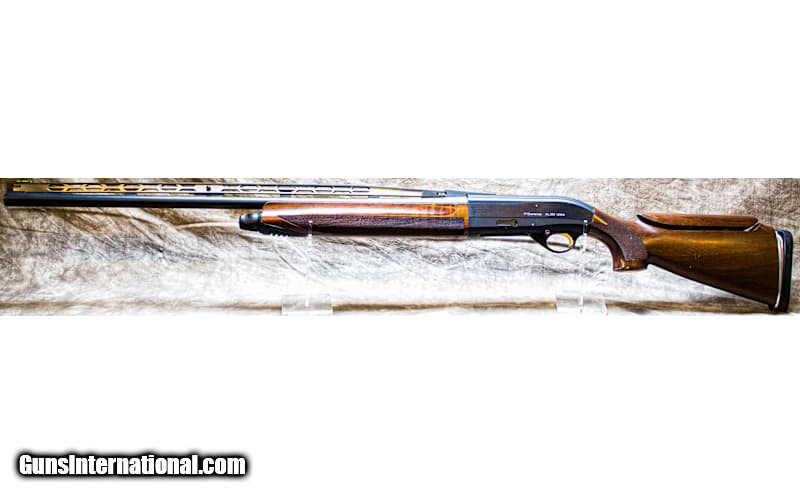
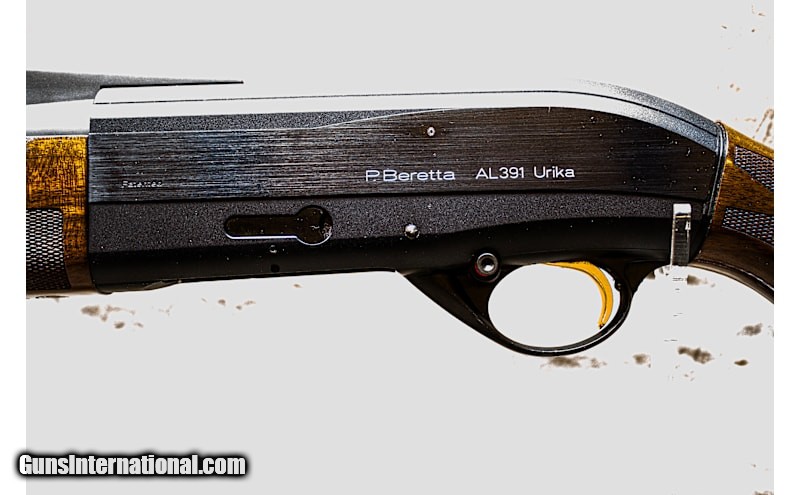
PIETRO BERETTA AL391 URIKA - 12 GAUGE TRAP
Description:
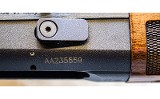
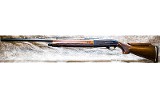
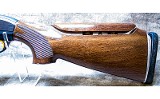
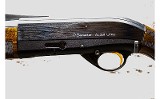
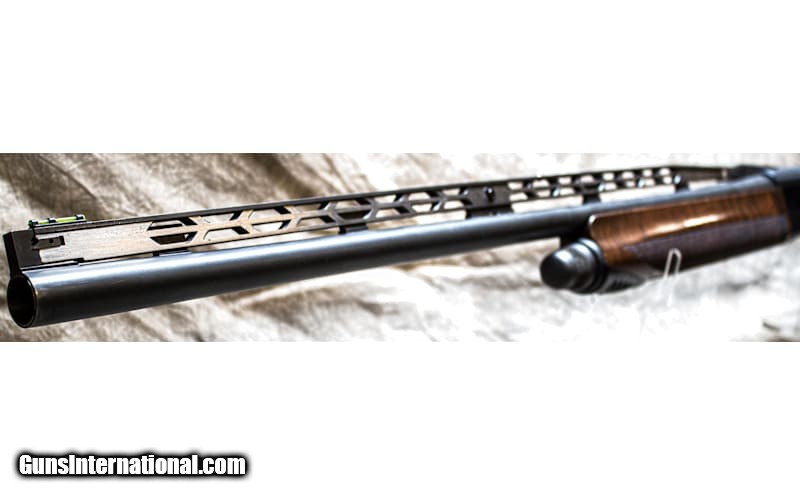
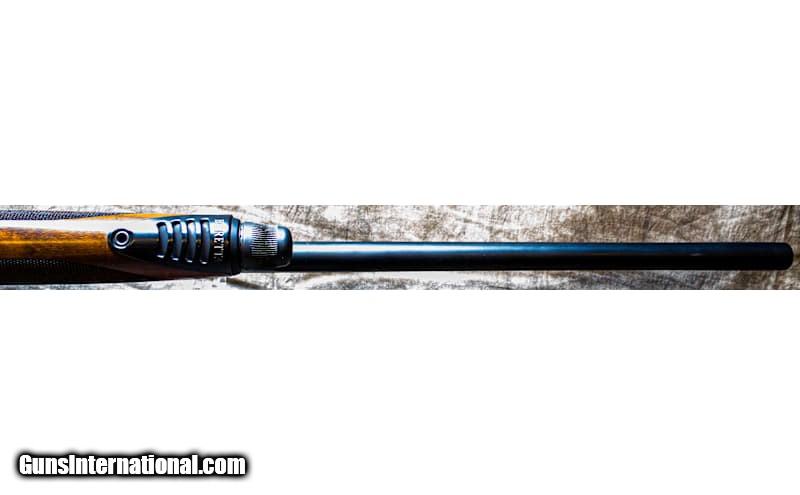
The Beretta AL391 is a gas-operated semi-automatic shotgun manufactured by the Italian company Fabrica d'Armi Pietro Beretta S.p.A., introduced in 1999 as an evolution of the earlier AL390 model, featuring an aluminum-alloy receiver and designed primarily for hunting and clay target shooting with emphasis on reliability and reduced felt recoil. The AL391 series, which includes variants such as the Urika, Urika 2, Teknys, and Xtrema models, incorporates a self-compensating gas system that vents excess gases to minimize recoil and fouling, allowing for consistent cycling with loads ranging from light target shells to heavy magnum cartridges up to 3 inches in chamber length. This AL391 Urika is in 12-gauge configuration, its barrel length is 30 inches, with its weights typically 6.3 pounds, and comes equipped with interchangeable MobilChoke tubes for versatile patterning. Notable for its durable chrome-lined barrel and chamber suitable for steel shot, the AL391 was praised in independent tests for handling over 1,000 rounds without cleaning while maintaining function, though it performs best with standard or heavier loads rather than ultra-light recoil ammunition. The series evolved Beretta's autoloading shotgun lineage, which dates back to the 1956 Model 60, and by the mid-2000s, over 1.5 million units of the 391 family had been produced, establishing it as a benchmark for lightweight, low-maintenance semi-autos before being succeeded by the A400 line. The Beretta AL391 was developed as a direct successor to the AL390 semi-automatic shotgun, introduced in 1999 to refine Beretta's gas-operated autoloader platform. Building on the AL390's foundation, which had established Beretta's reputation for reliable gas operation but occasionally struggled with very light loads, the AL391 aimed to enhance cycling consistency across diverse ammunition types. Key improvements included a redesigned gas piston and piston ring system that better accommodated loads from 7/8-ounce target shells to 3-inch magnum offerings, ensuring smoother operation without frequent adjustments. Central to the AL391's design goals was reducing overall weight while maintaining durability, achieved through an aluminum alloy receiver—a feature first pioneered in the AL390 series—and slimmer profiling of the fore-end and stock. These changes shaved nearly a pound off the previous model's heft, improving balance and handling for extended field use, with the stock's ergonomic reshaping providing better fit for a wider range of shooters. The resulting shotgun emphasized Italian engineering precision, prioritizing low recoil and user comfort in its gas-operated mechanism, which vents excess gases to mitigate kick. Upon launch, the AL391 was marketed as a versatile all-purpose semi-automatic for upland bird hunting and clay target disciplines like sporting clays and trap, positioning it against established gas-operated rivals such as Remington's 11-87 and inertia-driven options from Benelli. Initial models highlighted the slimmer fore-end for quicker swing and the redesigned stock for enhanced pointability, underscoring Beretta's commitment to craftsmanship in Gardone Val Trompia, Italy. Early field tests demonstrated exceptional reliability, with one evaluation firing over 1,300 rounds without malfunction or cleaning, affirming its suitability for demanding hunting scenarios. The AL391 achieved significant popularity in the 2000s, particularly in the U.S. and European markets, where it became a staple for upland bird hunting and clay target shooting due to its reliable gas-operated system. Production of the AL391 ceased in 2011 as Beretta transitioned to the A400 series, which incorporated the innovative Blink gas system for quicker follow-up shots and reduced recoil. Remaining stock from the line continued to be available through authorized dealers until approximately 2013. This discontinuation reflected broader industry shifts toward lighter-weight designs and faster-cycling mechanisms in semi-automatic shotguns, aligning with Beretta's focus on advancing its product portfolio to meet evolving hunter and shooter preferences. The Beretta AL391 employs a gas-operated action utilizing a short-stroke piston system, where high-pressure gases from the fired shell are tapped from ports in the barrel to drive the piston rearward, cycling the action without requiring long recoil travel. This design incorporates a self-compensating gas valve that automatically adjusts the amount of gas used for operation based on the power of the loaded shell, venting excess gas from heavier loads to prevent over-stressing components while ensuring sufficient energy for lighter loads. The self-compensating mechanism features a primary set of gas ports near the chamber and a secondary set farther forward, allowing the system to handle a wide range of ammunition reliably, from light 7/8-ounce target loads in 2¾-inch shells to heavy magnum loads up to 3 inches, or 3½ inches in certain variants like the Xtrema, with consistent ejection and minimal maintenance needs due to the absence of replaceable O-rings or seals in the piston assembly. The gas cylinder includes features that help expel carbon buildup, enhancing self-cleaning properties in dirty field conditions. Recoil management in the AL391 is achieved primarily through the gas system's diversion of propellant gases to operate the action, which absorbs and redirects energy to soften the shot's impulse compared to inertia-driven alternatives, resulting in noticeably lower felt recoil and reduced muzzle flip for faster follow-up shots. Certain variants, such as those in the Urika and Xtrema series, incorporate an optional inertial recoil reducer or hydraulic damping elements in the stock, further mitigating recoil through a spring-mass configuration that can add weight while dampening vibrations. The piston's floating bushing design contributes to smoother operation by allowing free movement within the cylinder, minimizing harshness during cycling. A key reliability feature is the automatic magazine cut-off mechanism, which prevents shells from feeding from the magazine tube into the chamber until the trigger is pulled, enabling users to unload the magazine selectively while keeping a round chambered for immediate safety or to facilitate quick changes to different load types without fully emptying the gun. The chrome-lined chamber and gas cylinder resist corrosion and fouling from repeated use of varied ammunition, promoting consistent performance even after extended sessions in adverse environments. The Beretta AL391 features a lightweight aluminum-alloy receiver, marking the first major application of this material in Beretta's semi-automatic shotguns following the A300 series, which provides enhanced portability without compromising structural integrity. The receiver is anodized for superior corrosion resistance and wear protection, contributing to its durability in various environmental conditions. This aluminum construction results in a receiver that will be approximately 65% lighter than equivalent steel designs while maintaining comparable strength, aiding overall weight reduction in the firearm. Stock options for the AL391 include select walnut with a semi-gloss oil finish or durable synthetic materials, both designed for reliable handling in field conditions. The length of pull is adjustable via included shims and spacers, typically ranging from 13.9 to 14.7 inches to accommodate different shooter builds. A key maintenance feature is the drop-out trigger group, which allows straightforward removal for cleaning by simply depressing the rear locking button and pulling downward. Later models incorporate the optional Kick-Off hydraulic recoil pad, which integrates with the stock to further dampen felt recoil through dual dampers. Ergonomically, the AL391 improves upon the preceding AL390 with a slimmer fore-end that reduces hand fatigue during extended use and a reshaped pistol grip featuring a lengthened, radiused design for more natural pointing. The trigger guard is constructed from lightweight polymer for comfort, and the safety is a reversible cross-bolt type for ambidextrous operation. The overall balance point is positioned approximately 7 inches forward of the receiver, promoting intuitive swing and control. For durability, the AL391 employs a rotating bolt with two steel locking lugs that engage the barrel extension, ensuring secure lockup under high-pressure loads. Hunting variants feature weather-resistant finishes, such as the Max-4 HD camouflage pattern applied to both metal and synthetic components for effective concealment and protection against the elements. Urika Series: The Beretta AL391 Urika series encompasses the core field-grade models of the AL391 lineup, emphasizing reliability and versatility for everyday hunting pursuits. Introduced in 1999 as the foundational variant, the Urika was offered in 12-gauge and 20-gauge chamberings, featuring a checkered walnut stock and blued metal finish for a classic appearance suited to upland and waterfowl applications. In 2007, Beretta launched the enhanced Urika 2 iteration, incorporating X-TRA Grain technology on the wood components to simulate mineral streaking for aesthetic appeal and durability, alongside refined checkering for improved grip in adverse conditions. This update built on the original's design while maintaining compatibility with the AL391's self-compensating gas system for smooth operation across load types. Field configurations of the Urika series typically include 26-inch or 28-inch vent-rib barrels for balanced swing and maneuverability in dense cover, paired with synthetic all-weather stocks in camouflage patterns such as Max-4 or Realtree for concealment in marshy or wooded environments. Youth-oriented models accommodate smaller shooters with shortened stocks providing a length of pull of approximately 13.5 inches, often in 20-gauge with a 24-inch barrel to reduce weight and enhance handling. Distinguishing the Urika for general hunting, its MobilChoke interchangeable tube system allows quick adjustments for pattern density, from improved cylinder for close flushes to full for longer-range shots, promoting adaptability without tools. At its 1999 debut, the Urika's suggested retail price fell in the $800 to $1,000 range, positioning it as an accessible yet high-performing option for hunters. The series served as the production mainstay, with field models comprising the majority of AL391 output through its run. The AL391 employs interchangeable choke systems for versatile patterning, with earlier models using MobilChoke tubes and post-2001 iterations adopting the Optima HP system, both designed for quick field changes. These systems include five standard tubes—Improved Cylinder (IC), Modified (M), Full (F), Improved Modified (IM), and Light Full (LF)—allowing users to adapt to varying shot distances and game types. The Optima Bore configuration overbores the barrel to approximately 0.733 inches (18.6 mm) at key points, promoting tighter shot patterns and reduced recoil by minimizing barrel constriction before the choke. 12 Gauge
Chambers: "2-3/4"", 3.0""
Metal Condition: Excellent
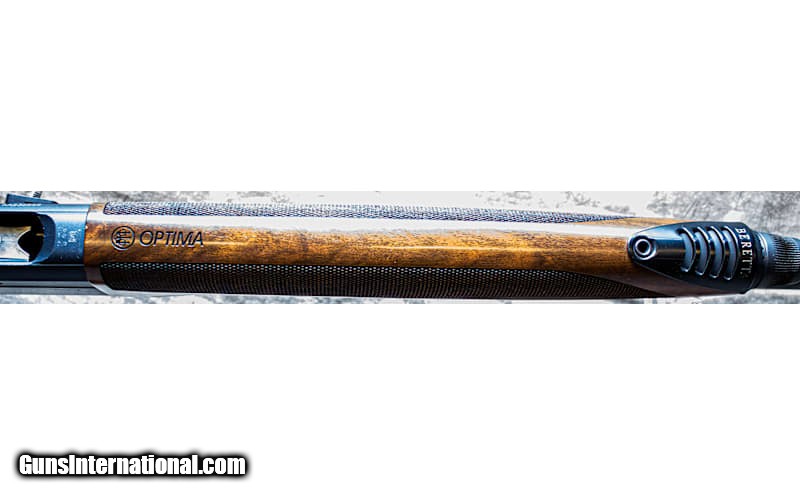
Wood Condition: Excellent - Matte Walnut
Bore Condition: Excellent
Barrels: 30.0
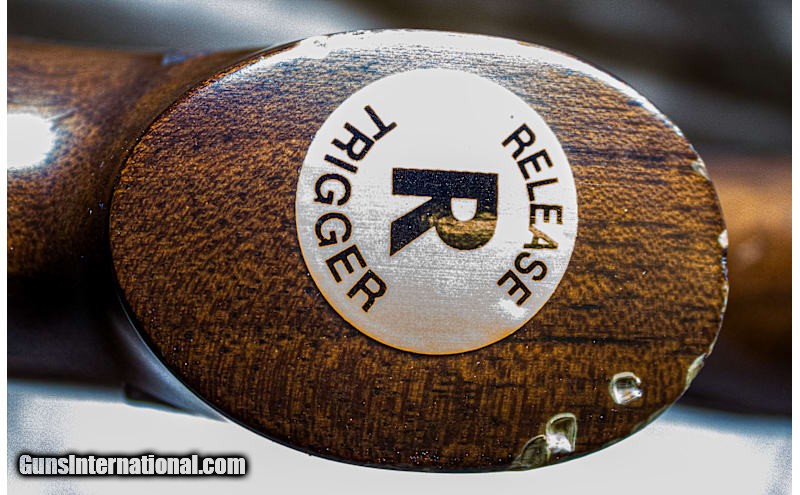
Triggers: RELEASE TRIGGER
Stock Dimensions:
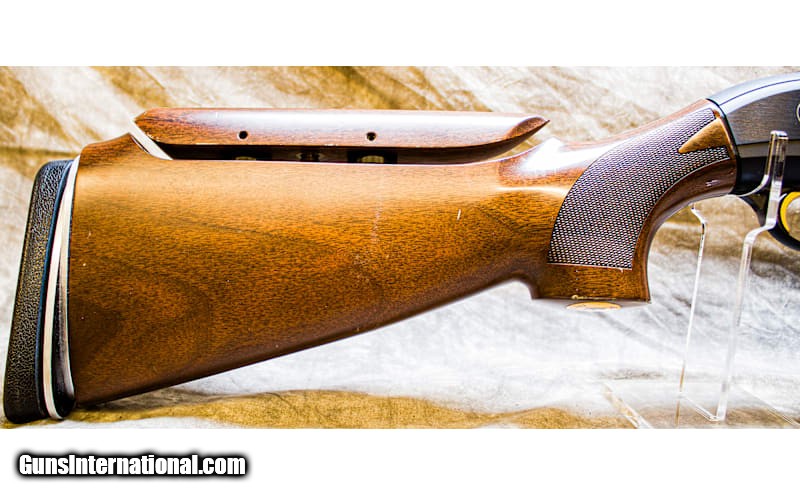
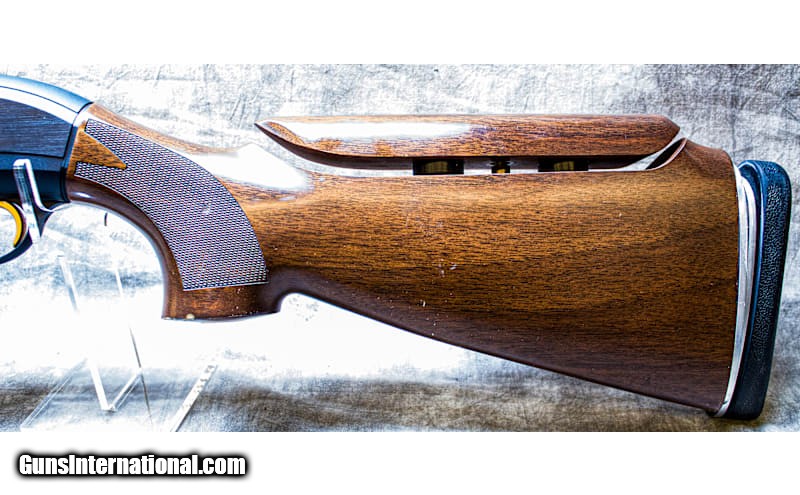
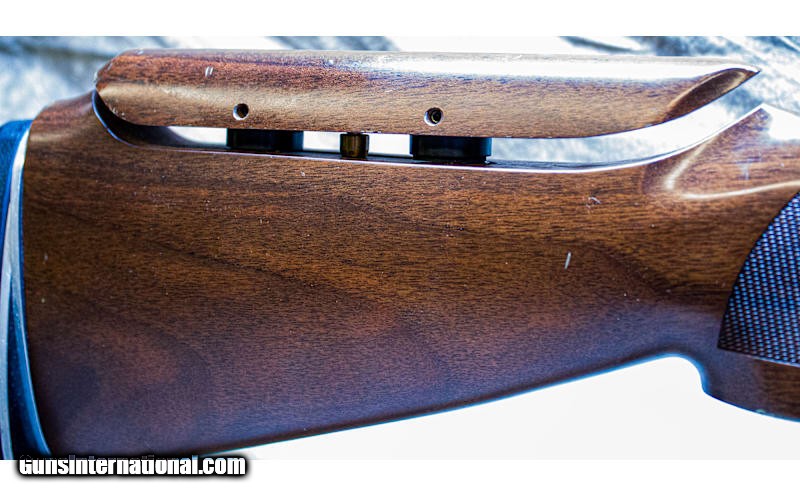
"Overall Length - 48-3/4"", Drop Comb - 1.34"", Drop Heel - 2.36"", User Adjustable Comb
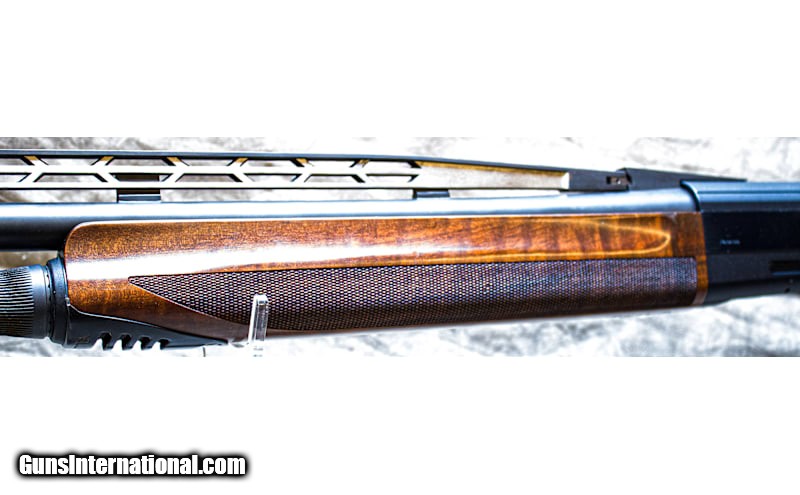
Fore End: Walnut Checkered
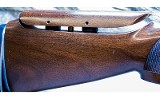
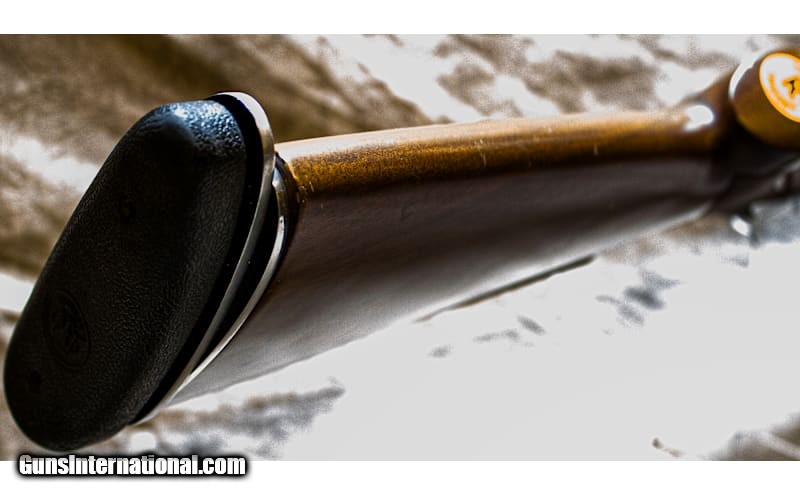
Butt Pad: Adjustable
Weight: 7.05 lbs.
Sights: Trap-Style Adjustable Ventilated Rib
Chokes: MobilChoke Tubes for Optima HP System
Item Location: Orlando, FL
Price: $799.99
Description:
The Beretta AL391 is a gas-operated semi-automatic shotgun manufactured by the Italian company Fabrica d'Armi Pietro Beretta S.p.A., introduced in 1999 as an evolution of the earlier AL390 model, featuring an aluminum-alloy receiver and designed primarily for hunting and clay target shooting with emphasis on reliability and reduced felt recoil. The AL391 series, which includes variants such as the Urika, Urika 2, Teknys, and Xtrema models, incorporates a self-compensating gas system that vents excess gases to minimize recoil and fouling, allowing for consistent cycling with loads ranging from light target shells to heavy magnum cartridges up to 3 inches in chamber length. This AL391 Urika is in 12-gauge configuration, its barrel length is 30 inches, with its weights typically 6.3 pounds, and comes equipped with interchangeable MobilChoke tubes for versatile patterning. Notable for its durable chrome-lined barrel and chamber suitable for steel shot, the AL391 was praised in independent tests for handling over 1,000 rounds without cleaning while maintaining function, though it performs best with standard or heavier loads rather than ultra-light recoil ammunition. The series evolved Beretta's autoloading shotgun lineage, which dates back to the 1956 Model 60, and by the mid-2000s, over 1.5 million units of the 391 family had been produced, establishing it as a benchmark for lightweight, low-maintenance semi-autos before being succeeded by the A400 line. The Beretta AL391 was developed as a direct successor to the AL390 semi-automatic shotgun, introduced in 1999 to refine Beretta's gas-operated autoloader platform. Building on the AL390's foundation, which had established Beretta's reputation for reliable gas operation but occasionally struggled with very light loads, the AL391 aimed to enhance cycling consistency across diverse ammunition types. Key improvements included a redesigned gas piston and piston ring system that better accommodated loads from 7/8-ounce target shells to 3-inch magnum offerings, ensuring smoother operation without frequent adjustments. Central to the AL391's design goals was reducing overall weight while maintaining durability, achieved through an aluminum alloy receiver—a feature first pioneered in the AL390 series—and slimmer profiling of the fore-end and stock. These changes shaved nearly a pound off the previous model's heft, improving balance and handling for extended field use, with the stock's ergonomic reshaping providing better fit for a wider range of shooters. The resulting shotgun emphasized Italian engineering precision, prioritizing low recoil and user comfort in its gas-operated mechanism, which vents excess gases to mitigate kick. Upon launch, the AL391 was marketed as a versatile all-purpose semi-automatic for upland bird hunting and clay target disciplines like sporting clays and trap, positioning it against established gas-operated rivals such as Remington's 11-87 and inertia-driven options from Benelli. Initial models highlighted the slimmer fore-end for quicker swing and the redesigned stock for enhanced pointability, underscoring Beretta's commitment to craftsmanship in Gardone Val Trompia, Italy. Early field tests demonstrated exceptional reliability, with one evaluation firing over 1,300 rounds without malfunction or cleaning, affirming its suitability for demanding hunting scenarios. The AL391 achieved significant popularity in the 2000s, particularly in the U.S. and European markets, where it became a staple for upland bird hunting and clay target shooting due to its reliable gas-operated system. Production of the AL391 ceased in 2011 as Beretta transitioned to the A400 series, which incorporated the innovative Blink gas system for quicker follow-up shots and reduced recoil. Remaining stock from the line continued to be available through authorized dealers until approximately 2013. This discontinuation reflected broader industry shifts toward lighter-weight designs and faster-cycling mechanisms in semi-automatic shotguns, aligning with Beretta's focus on advancing its product portfolio to meet evolving hunter and shooter preferences. The Beretta AL391 employs a gas-operated action utilizing a short-stroke piston system, where high-pressure gases from the fired shell are tapped from ports in the barrel to drive the piston rearward, cycling the action without requiring long recoil travel. This design incorporates a self-compensating gas valve that automatically adjusts the amount of gas used for operation based on the power of the loaded shell, venting excess gas from heavier loads to prevent over-stressing components while ensuring sufficient energy for lighter loads. The self-compensating mechanism features a primary set of gas ports near the chamber and a secondary set farther forward, allowing the system to handle a wide range of ammunition reliably, from light 7/8-ounce target loads in 2¾-inch shells to heavy magnum loads up to 3 inches, or 3½ inches in certain variants like the Xtrema, with consistent ejection and minimal maintenance needs due to the absence of replaceable O-rings or seals in the piston assembly. The gas cylinder includes features that help expel carbon buildup, enhancing self-cleaning properties in dirty field conditions. Recoil management in the AL391 is achieved primarily through the gas system's diversion of propellant gases to operate the action, which absorbs and redirects energy to soften the shot's impulse compared to inertia-driven alternatives, resulting in noticeably lower felt recoil and reduced muzzle flip for faster follow-up shots. Certain variants, such as those in the Urika and Xtrema series, incorporate an optional inertial recoil reducer or hydraulic damping elements in the stock, further mitigating recoil through a spring-mass configuration that can add weight while dampening vibrations. The piston's floating bushing design contributes to smoother operation by allowing free movement within the cylinder, minimizing harshness during cycling. A key reliability feature is the automatic magazine cut-off mechanism, which prevents shells from feeding from the magazine tube into the chamber until the trigger is pulled, enabling users to unload the magazine selectively while keeping a round chambered for immediate safety or to facilitate quick changes to different load types without fully emptying the gun. The chrome-lined chamber and gas cylinder resist corrosion and fouling from repeated use of varied ammunition, promoting consistent performance even after extended sessions in adverse environments. The Beretta AL391 features a lightweight aluminum-alloy receiver, marking the first major application of this material in Beretta's semi-automatic shotguns following the A300 series, which provides enhanced portability without compromising structural integrity. The receiver is anodized for superior corrosion resistance and wear protection, contributing to its durability in various environmental conditions. This aluminum construction results in a receiver that will be approximately 65% lighter than equivalent steel designs while maintaining comparable strength, aiding overall weight reduction in the firearm. Stock options for the AL391 include select walnut with a semi-gloss oil finish or durable synthetic materials, both designed for reliable handling in field conditions. The length of pull is adjustable via included shims and spacers, typically ranging from 13.9 to 14.7 inches to accommodate different shooter builds. A key maintenance feature is the drop-out trigger group, which allows straightforward removal for cleaning by simply depressing the rear locking button and pulling downward. Later models incorporate the optional Kick-Off hydraulic recoil pad, which integrates with the stock to further dampen felt recoil through dual dampers. Ergonomically, the AL391 improves upon the preceding AL390 with a slimmer fore-end that reduces hand fatigue during extended use and a reshaped pistol grip featuring a lengthened, radiused design for more natural pointing. The trigger guard is constructed from lightweight polymer for comfort, and the safety is a reversible cross-bolt type for ambidextrous operation. The overall balance point is positioned approximately 7 inches forward of the receiver, promoting intuitive swing and control. For durability, the AL391 employs a rotating bolt with two steel locking lugs that engage the barrel extension, ensuring secure lockup under high-pressure loads. Hunting variants feature weather-resistant finishes, such as the Max-4 HD camouflage pattern applied to both metal and synthetic components for effective concealment and protection against the elements. Urika Series: The Beretta AL391 Urika series encompasses the core field-grade models of the AL391 lineup, emphasizing reliability and versatility for everyday hunting pursuits. Introduced in 1999 as the foundational variant, the Urika was offered in 12-gauge and 20-gauge chamberings, featuring a checkered walnut stock and blued metal finish for a classic appearance suited to upland and waterfowl applications. In 2007, Beretta launched the enhanced Urika 2 iteration, incorporating X-TRA Grain technology on the wood components to simulate mineral streaking for aesthetic appeal and durability, alongside refined checkering for improved grip in adverse conditions. This update built on the original's design while maintaining compatibility with the AL391's self-compensating gas system for smooth operation across load types. Field configurations of the Urika series typically include 26-inch or 28-inch vent-rib barrels for balanced swing and maneuverability in dense cover, paired with synthetic all-weather stocks in camouflage patterns such as Max-4 or Realtree for concealment in marshy or wooded environments. Youth-oriented models accommodate smaller shooters with shortened stocks providing a length of pull of approximately 13.5 inches, often in 20-gauge with a 24-inch barrel to reduce weight and enhance handling. Distinguishing the Urika for general hunting, its MobilChoke interchangeable tube system allows quick adjustments for pattern density, from improved cylinder for close flushes to full for longer-range shots, promoting adaptability without tools. At its 1999 debut, the Urika's suggested retail price fell in the $800 to $1,000 range, positioning it as an accessible yet high-performing option for hunters. The series served as the production mainstay, with field models comprising the majority of AL391 output through its run. The AL391 employs interchangeable choke systems for versatile patterning, with earlier models using MobilChoke tubes and post-2001 iterations adopting the Optima HP system, both designed for quick field changes. These systems include five standard tubes—Improved Cylinder (IC), Modified (M), Full (F), Improved Modified (IM), and Light Full (LF)—allowing users to adapt to varying shot distances and game types. The Optima Bore configuration overbores the barrel to approximately 0.733 inches (18.6 mm) at key points, promoting tighter shot patterns and reduced recoil by minimizing barrel constriction before the choke. 12 Gauge
Chambers: "2-3/4"", 3.0""
Metal Condition: Excellent
Wood Condition: Excellent - Matte Walnut
Bore Condition: Excellent
Barrels: 30.0
Triggers: RELEASE TRIGGER
Stock Dimensions:
"Overall Length - 48-3/4"", Drop Comb - 1.34"", Drop Heel - 2.36"", User Adjustable Comb
Fore End: Walnut Checkered
Butt Pad: Adjustable
Weight: 7.05 lbs.
Sights: Trap-Style Adjustable Ventilated Rib
Chokes: MobilChoke Tubes for Optima HP System
Item Location: Orlando, FL
Price: $799.99
Guns International Advertising Policy
GunsInternational.com is the #1 Gun Classified website that brings gun buyers and gun brokers or sellers together through classified advertising of guns, gun related items and services for sale online. If you are looking to buy guns online or sell guns online, you have come to the right place. GunsInternational.com gun classifieds currently have over 200,000 guns for sale online by numerous dealers and collectors alike. Guns International makes no representation or warranty as to the accuracy of the information contained in the gun classifieds, gun parts or gun services classifieds listings. Buyers and sellers are required to know and comply with all applicable local, state, federal and international firearm laws.
GunsInternational.com is the #1 Gun Classified website that brings gun buyers and gun brokers or sellers together through classified advertising of guns, gun related items and services for sale online. If you are looking to buy guns online or sell guns online, you have come to the right place. GunsInternational.com gun classifieds currently have over 200,000 guns for sale online by numerous dealers and collectors alike. Guns International makes no representation or warranty as to the accuracy of the information contained in the gun classifieds, gun parts or gun services classifieds listings. Buyers and sellers are required to know and comply with all applicable local, state, federal and international firearm laws.

©2006 - 2026 all rights reserved. | Guns International.com | V4.1 ww2


Privacy Policy
User Agreement
FAQs
Contact Us
Careers
©2006 - 2026 all rights reserved.
Guns International.com | V4.1 ww2
Guns International.com | V4.1 ww2